How Europe Plans to Catch Up with China in Battery Production
12 May 21:40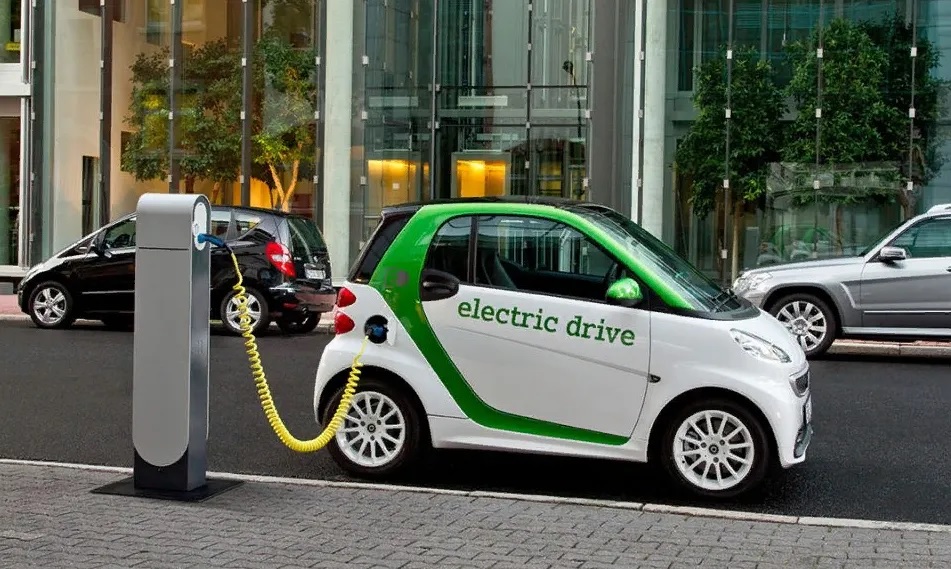
Europe has taken a significant step toward developing electric vehicle production by investing nearly 200 billion euros to support the industry. The main goal of these investments is to build its own infrastructure and reduce dependence on China’s dominance in the battery market.
This is reported by Reuters, as cited by "Komersant Ukrainian".
European countries have allocated these funds across several key areas:
- Battery production (€109 billion): The largest portion of the funding is directed toward building battery manufacturing plants. This should help Europe reduce its dependence on imported batteries.
- Automobile plants (€60 billion): Modernization of traditional facilities and construction of new production capacity exclusively for electric vehicles.
- Charging infrastructure (up to €46 billion): Deployment of a network of charging stations. Over 1 million such stations are already operational in Europe.
Germany accounts for nearly a quarter of all investments in the region. France, Spain, and the countries of Central and Eastern Europe are also investing significant funds. The implementation of all these projects is expected to create up to 450,000 jobs in the industry.
Read us on Telegram: important topics – without censorship
Political Challenges and Resistance to Change
Despite the massive investment, the path to full electrification is not straightforward. Under pressure from automakers, the European Commission was forced late last year to soften its plans to ban new cars with internal combustion engines starting in 2035. A number of countries, including Germany and Italy, have officially opposed strict environmental regulations, even though these regions are the main recipients of investments in electric vehicle production.
According to the International Energy Agency, China controls over 80% of global battery production. This puts European factories at risk, forcing Europe to urgently strengthen its independence in critical technologies. China’s new five-year strategic plan, presented in March 2026, calls for a shift toward the production of state-of-the-art high-tech vehicles and robots, which could impact the profits of European companies.
It is worth noting that electric vehicle production, particularly in China, could be at risk in the medium term due to a sulfur shortage caused by the blockade of the Strait of Hormuz resulting from the war in the Middle East.
Watch us on YouTube: important topics – without censorship