Western Components in Russian Missiles — Ukraine Will Seek to Increase Sanctions Pressure on Supplier Companies
14 August 17:15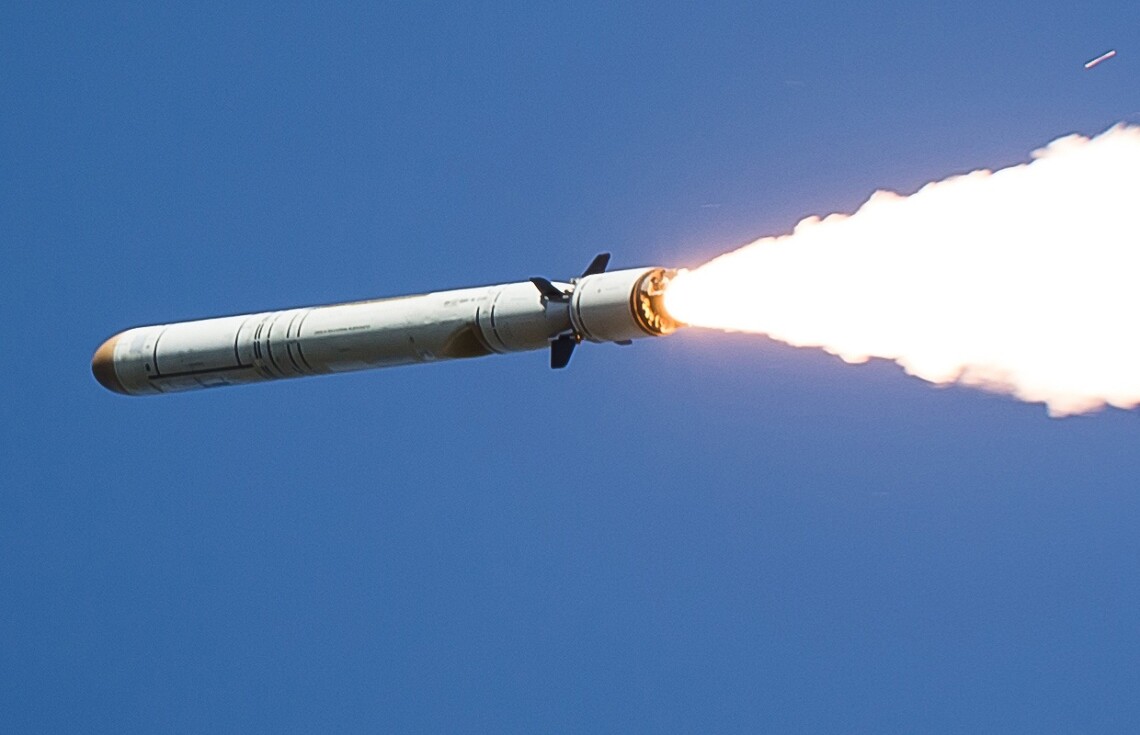
Ukraine is calling on its international partners to tighten sanctions and increase oversight of companies whose components continue to be found in Russian missiles and drones. Currently, only 20–25% of these manufacturers are subject to sanctions. This was stated by Ukrainian Foreign Ministry spokesperson Heorhiy Tykhyi in an interview with the “Khid Tuzova” program on Apostrophe TV, according to [Kommersant].
According to the Foreign Ministry spokesperson, only about 20–25% of the companies whose products are found in Russian weapons are subject to Western sanctions.
“This is an unacceptable situation. We are pushing for strict restrictions to be imposed on all these companies in future sanctions packages.”
At the same time, Ukraine understands that even after sanctions are imposed, certain components may still find their way into Russia. Therefore, according to Tykhyi, it is necessary to strengthen not only the sanctions lists but also oversight of compliance with restrictions already in place.
How Russia Circumvents Restrictions
The Ministry of Foreign Affairs acknowledges that it is difficult to completely cut off the supply of technology. Russia can use various schemes, including so-called gray and black market supply channels.
“But I cannot believe that Western financial intelligence agencies lack the capacity to significantly—if not completely, then at least to some extent—reduce the flow of these components,” he noted.
Tikhyi explained that Ukraine systematically informs foreign governments about Western components found in Russian weapons.
After Ukrainian experts examine the debris from missiles or other weapons and identify the component’s manufacturer, the information is compiled into lists. The data is forwarded to Ukrainian embassies, which then contact the governments of the relevant countries.
“Look, we’ve found your stuff that landed on our people’s heads—do something about it, restrict it, monitor it, take action,” Tykhyi said, describing the Ukrainian side’s position.
According to him, this approach is yielding results in some cases. Ukrainian ambassadors also visit these companies and say, “Monitor where your components end up. Maybe you didn’t sell them to the Russians; maybe you sold them to someone else.”
“Ukraine procures weapons through third, fourth, and fifth countries. The Russians are doing the same thing,” Tykhyi concluded.
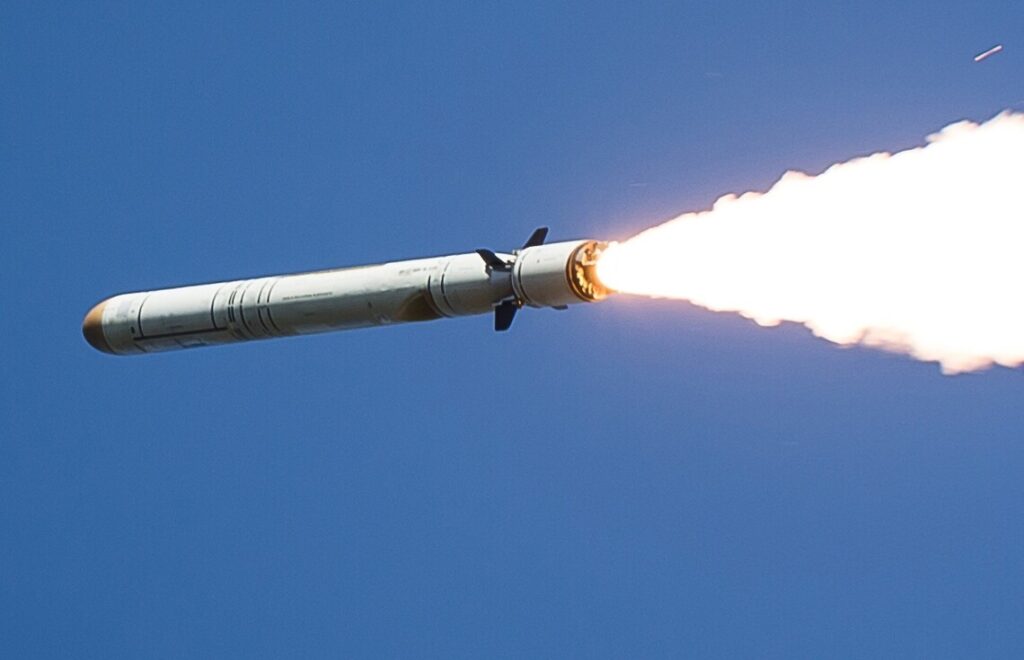
It should be noted that about 90% of the cruise and ballistic missiles and drones used by the Russian military to attack Ukraine contain parts manufactured by Japanese companies.
Watch us on YouTube: important topics – without censorship