Cars (Not) for the Front Lines: Who Really Benefits from the Elimination of Import Duties for Military Families
30 April 12:51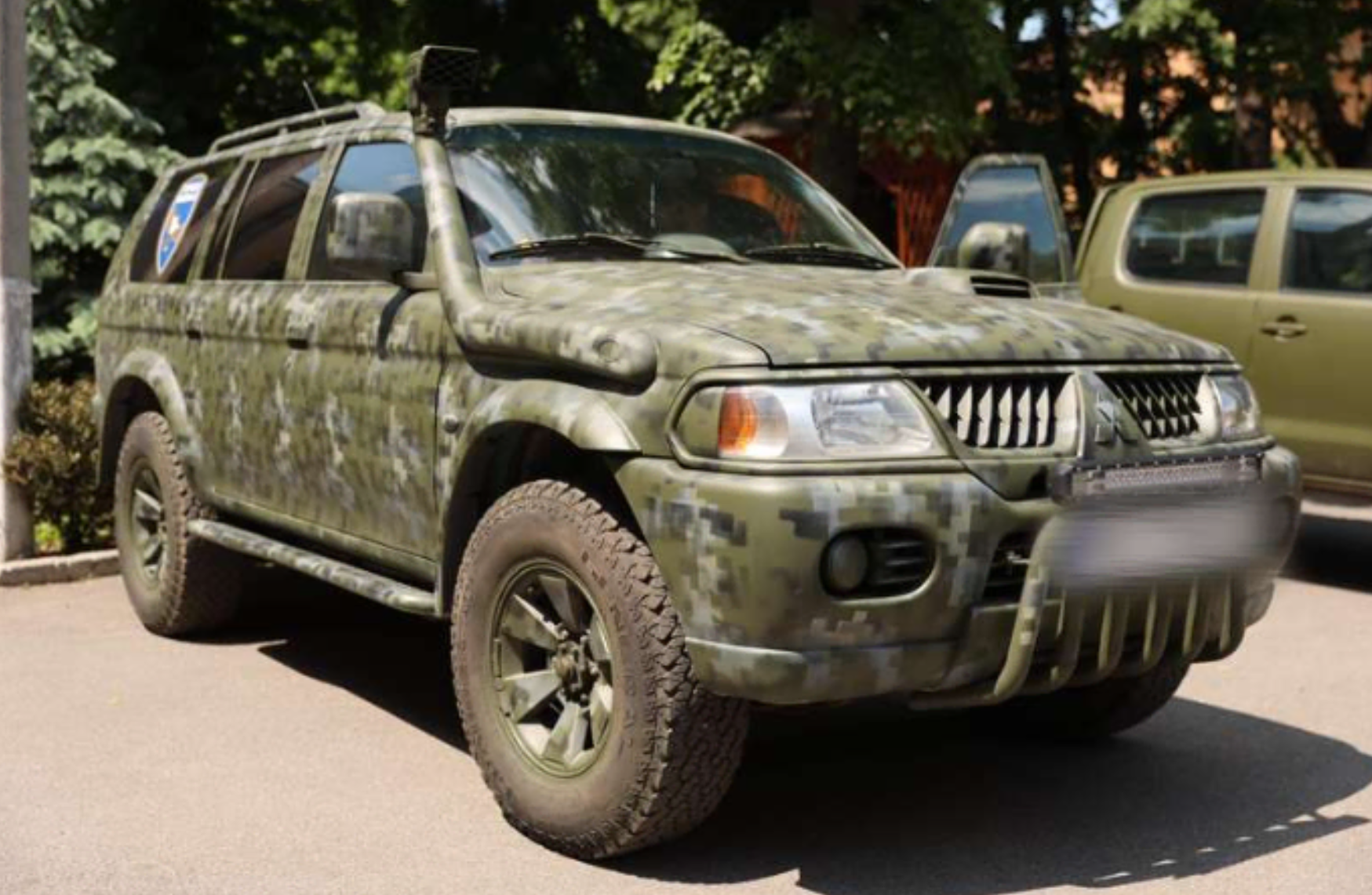 ANALYSIS
Since the start of the full-scale war, the rules for importing cars into Ukraine have changed repeatedly. From April to July 2022, a so-called “zero customs clearance” policy was in effect, allowing citizens to import vehicles without paying customs duties. After the exemption was repealed in June 2022, the primary method for duty-free importation of vehicles for defense needs remained their registration through volunteer organizations as humanitarian aid.
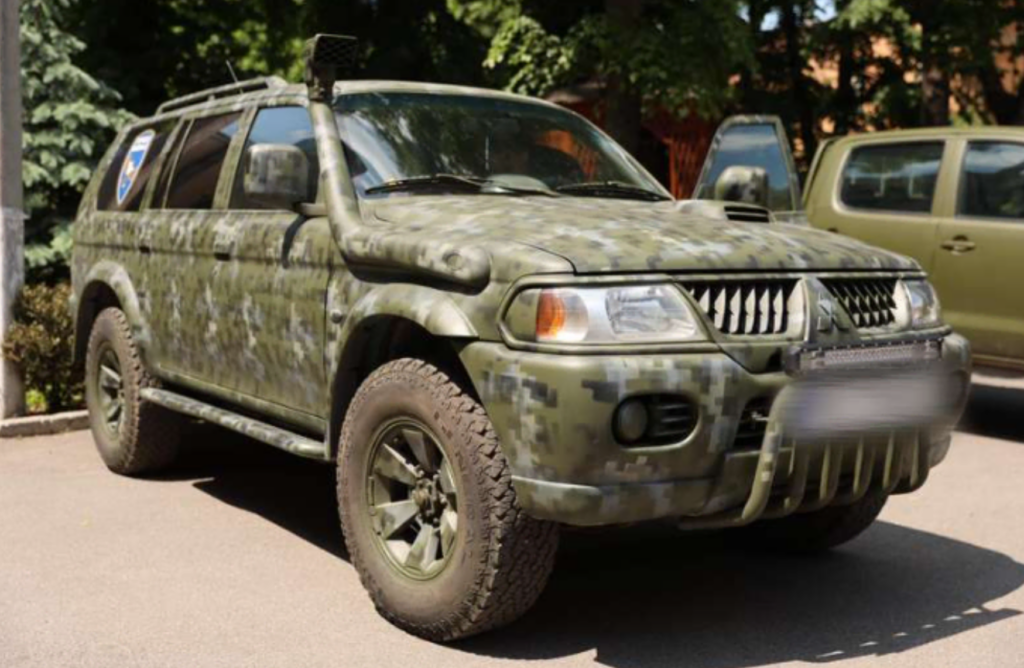
At the same time, according to experts’ estimates, the Defense Forces’ monthly need for vehicles exceeds 3,000 units. It is practically impossible to meet such volumes solely through volunteer shipments without a clear legal mechanism that would allow military personnel to import vehicles on their own.
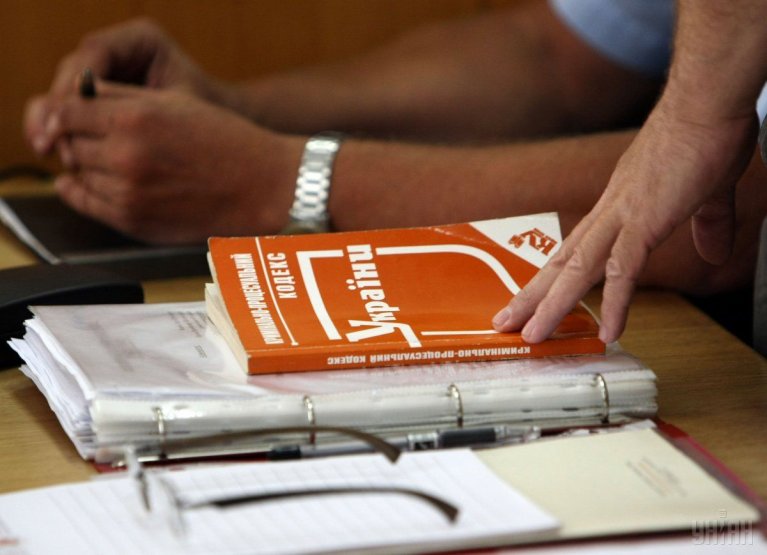
In light of this, members of parliament are proposing to grant military personnel the right to personally import vehicles duty-free. The corresponding bills, No. 15194 and No. 15195, have already been registered in the Verkhovna Rada and are intended to restore social justice for those who are directly defending the country.
It is expected that the implementation of these initiatives will increase the mobility of military units and help resolve a number of existing problems.
Who will be eligible for the exemption
Bills No. 15194 and No. 15195 clearly define the category of individuals who will be able to import vehicles without paying customs duties. This refers to individuals—active-duty military personnel of Ukraine.
Specifically, the following will be eligible to exercise this right:
- military personnel mobilized and called up to the Armed Forces after February 24, 2022;
- contract soldiers who are on active duty at the time of vehicle import.
It is expected that the formalities can be completed either in person or through officially authorized representatives acting on behalf of the servicemember during customs procedures.
What benefits are offered and which vehicles are permitted for import
The documents propose amendments to the Customs and Tax Codes of Ukraine. If adopted, military personnel will be fully exempt from key customs duties:
- import duties;
- value-added tax (VAT);
- excise tax.
The import of passenger cars (including car bodies), trucks, motorcycles, as well as trailers and semi-trailers will be permitted without paying these duties.
Restrictions on the sale of expensive cars
To prevent abuse and the use of these benefits for commercial purposes, the draft laws introduce certain restrictions. Specifically, a limit of one vehicle per service member is established.
There will also be a ban on disposal: a vehicle imported under preferential terms cannot be sold, transferred, or registered to other persons (even by power of attorney) for three years from the date of state registration.
Furthermore, the benefits will not apply to vehicles subject to the vehicle tax. This refers to so-called “luxury” vehicles that meet two conditions:
- age—up to 5 years inclusive;
- value—more than 375 times the minimum wage established as of January 1 of the relevant year.
Such vehicles are included annually in a special list published by the Ministry of Economy of Ukraine by February 1. Typically, it features premium models from well-known brands such as Porsche, Mercedes-Benz, BMW, Land Rover, Tesla, and Lexus.
In other words, if a car older than five years or a new car costing less than approximately 3 million UAH is imported, it will qualify for the exemption. However, for new expensive cars on the list, all taxes must be paid.
Separately, territorial restrictions are in place: the import of vehicles from an aggressor state, an occupying state, as well as from temporarily occupied territories of Ukraine is prohibited.
Duty-free car imports for military personnel: what is being proposed and what risks do experts see
The initiative to allow military personnel to import cars duty-free has sparked active discussion among lawyers and representatives of the automotive industry. Experts note that despite the obvious advantages, the draft laws require significant revision.
Debates arise not only because of the idea itself but also because of the proposed restrictions. Attorney Yaroslav Kuts believes that the current model requires serious revision.
“Lawmakers are proposing restrictions—one car and a three-year ban on resale. But such approaches, in my opinion, will not work,” he notes in a comment
"Komersant Ukrainian"
According to the lawyer, the very logic of the process already involves third parties.
“A soldier cannot simply leave his unit and go to register a car. In any case, authorized individuals will emerge who will import cars under a power of attorney,” explains Kuts.
Not only a tax break, but also a tracking system is needed
According to the expert, the key issue is not the import itself, but the subsequent control and accounting of the vehicles. The lawyer insists on creating a special registry for such vehicles and warns of the risks of data leaks.
“As soon as personal importation is allowed, customs databases will contain military personnel data linked to specific vehicles. This is a security issue,” he notes.
According to him, access to information about military personnel must be strictly limited, whereas customs authorities do not guarantee such a level of protection.
The expert acknowledges that there is a risk of misusing these benefits. For example, there may be cases where vehicles are registered to military personnel but used by others. However, he believes the problem can be solved through transparent vehicle identification.
“We need separate license plates and a clear control system. Then law enforcement will be able to quickly track resale or misuse,” he explains.
The auto market is adapting, but “schemes” are possible
And Yevgeny Potapenko, CEO of Paradise Auto, in a conversation with [Komersant] adds that there will be no significant changes for the automotive market itself. However, he does not rule out the emergence of gray schemes similar to the situation with “Euro-plates.”
“The auto industry has already learned to adapt quickly to any changes. Indeed, they may seek out military personnel to formally register cars in their names for a fee, while other individuals will actually use them,” says Potapenko.
Despite the risks, the expert acknowledges that the initiative also has a positive effect. After all, according to the expert, this will definitely be a plus for military personnel, especially for those who want to have their own transportation rather than depend on the unit’s decisions.
Potapenko also highlights the economic aspect:
“The state generates revenue not only from customs duties. Cars are refueled and serviced—that’s also part of the economy. So, in the broader perspective, this could even be a plus,” Yevhen concludes.
Thus, the idea of duty-free car imports for military personnel is generally supported by experts; however, the key challenge remains striking a balance between simplifying procedures, controlling vehicle use, and ensuring data security. Without comprehensive refinement of this model, the risks of abuse and information leaks could negate its positive effects.