The EU Is Updating Its Import Rules: Who Will Be Affected and What Ukrainian Exporters Need to Know
6 August 14:28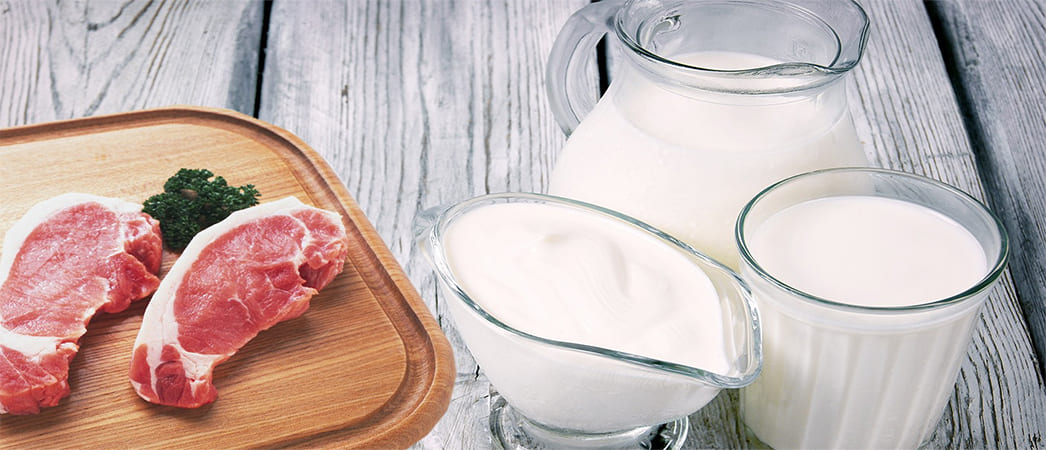
The European Union will introduce updated rules for the import of animals, animal products, and germplasm from third countries starting August 12, according to the State Service of Ukraine for Food Safety and Consumer Protection, as reported by "Komersant Ukrainian".
“From now on, a country’s inclusion on the list of states authorized to export to the EU does not mean automatic approval of all products. For certain goods, the European Commission may require additional testing or additional documents or certificates regarding the origin of the products, animal vaccinations, or other evidence of compliance,” the State Service of Ukraine for Food Safety and Consumer Protection emphasized.
The new EU regulation takes into account the application of current EU legislation, recommendations from the European Food Safety Authority (EFSA) and the World Organisation for Animal Health (WOAH), as well as the latest developments in food safety.
“For Ukrainian exporters, this means they will need to review certain production processes, traceability systems, and approaches to preparing documents for export to the European Union,” the statement noted.
The regulation also tightens requirements for animal identification and traceability, specifically providing for broader use of electronic transponders and tags that comply with international ISO standards.
Veterinary requirements for the production of meat, dairy, egg, and composite products have also been updated. Specifically, for meat products, controls on the origin of raw materials have been tightened, and for dairy products, requirements for processing have been clarified depending on the type of milk and its origin.
Watch us on YouTube: important topics – without censorship
Introduction of Additional Special Conditions for the Import of Certain Goods
The State Service of Ukraine for Food Safety and Consumer Protection also notes that, from now on, a country’s inclusion on the list of countries authorized to export to the EU does not automatically mean that all of its products are permitted. For certain goods, the European Commission may require additional testing or additional documents or certificates regarding the origin of the products, animal vaccinations, or other evidence of compliance.
Additional conditions may be established not only based on the presence or absence of a specific disease, but also taking into account a broader range of factors: the country’s veterinary and sanitary status, the effectiveness of its control, surveillance, and outbreak response systems, and other epidemiological characteristics.
For example, the rules regarding the import of horses have been amended. Specifically, special conditions will apply regardless of the group to which a country or territory belongs if the following has been recorded within its territory during the specified period:
- African horse sickness;
- Venezuelan equine encephalomyelitis;
- glanders caused by Burkholderia mallei;
- dourine;
- surra caused by Trypanosoma evansi.
Rules for Dairy Products Updated
The regulation revises the requirements for the production of dairy products depending on the type of milk and the method of its processing. If a product is made from a mixture of milk from different animal species, the strictest processing requirements will apply.
Specifically:
- dairy products produced from both raw milk and other dairy products that were previously made from raw milk are permitted into the EU under the general rules for the processing of products of animal origin;
- there are two main categories of dairy products in terms of processing: Category A—from cattle, sheep, goats, buffalo, and dromedaries; and Category B—all other species (to which stricter rules apply);
- Rules are established for the processing of products made from different types of milk: if processing occurs before blending, it is carried out separately for each type accordingly; if after blending, the strictest regime applies to any type of animal milk included in the mixture.
Rules for egg products have been updated
New conditions have also been established for the import of egg products. They must originate from countries or zones where surveillance programs for highly pathogenic avian influenza are in place, and the products must undergo EU-specified treatment against highly pathogenic avian influenza and Newcastle disease.
Read us on Telegram: important topics – without censorship