A Diplomatic “Maneuver”: Why Macron Called Lukashenko and Zelenskyy Invited Tikhanovskaya
25 May 17:55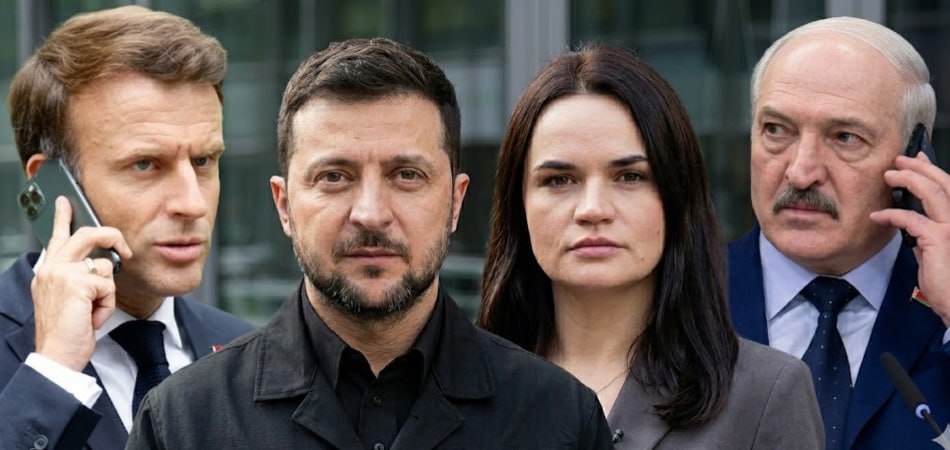
The northern focus of Ukrainian diplomacy and security is undergoing a radical transformation. The first-ever official visit to Kyiv by Belarusian opposition leader Sviatlana Tsikhanouskaya and an unexpected phone call from French President Emmanuel Macron to Belarus’s self-proclaimed leader Alexander Lukashenko have stirred up the media landscape. What lies behind these maneuvers—a real threat of a new offensive or a subtle political preemptive move? And what is wrong with the nuclear exercises of Russia and Belarus—
Sviatlana Tsikhanouskaya’s visit to the Ukrainian capital is not merely a symbolic gesture, but the logical outcome of a fundamental shift in Ukraine’s approach to the Belarusian issue, which began following personnel changes in the leadership of the Office of the President. This was noted in a commentary for the publication
Kyiv’s new strategy: the end of the “lull”
Previously, Kyiv acted with the utmost caution, trying not to provoke the Minsk dictator unnecessarily, says Rad. A striking example of such restraint was the visit of collaborator Volodymyr Saldo to Minsk, to which the Ukrainian Foreign Ministry responded only with yet another statement of condemnation without any practical consequences. However, the rules of the game have now changed.
“Ukraine has begun to act more firmly. I would view the latest statements about possible threats from our northern neighbor not so much as an objective military threat, but rather as political signals to the official Minsk. We are demonstrating that Ukraine will now act from a position of strength and will dictate the rules in bilateral relations itself,” explains Rad.
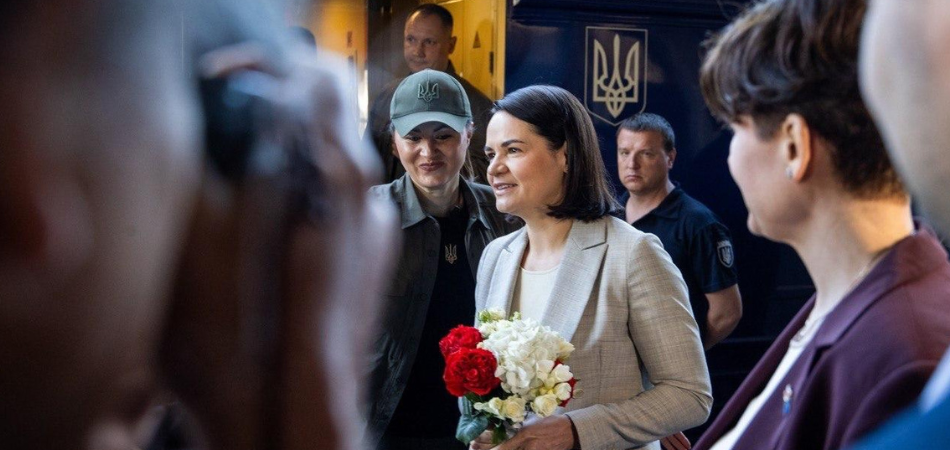
The invitation to Tikhanovskaya to visit Kyiv following her winter talks with Volodymyr Zelenskyy is a direct and clear message to the Lukashenko regime: Ukraine is no longer afraid of its threats and is ready to act preemptively if the need arises.
Why did Macron call Minsk?
In parallel with Ukraine’s diplomatic move, European diplomacy has also intensified. Emmanuel Macron’s call to Lukashenko—which the dictator himself has already called an “alarming sign”—was a continuation of the behind-the-scenes contacts that Minsk has been conducting with the EU for the past year and a half through the Foreign Ministry, intelligence services, and even the Vatican. Against the backdrop of Belarus’s consultations with Poland and Lithuania, there is a risk of a so-called “gradual thaw” and attempts by the regime to break out of international isolation, notes Pavlo Rad.
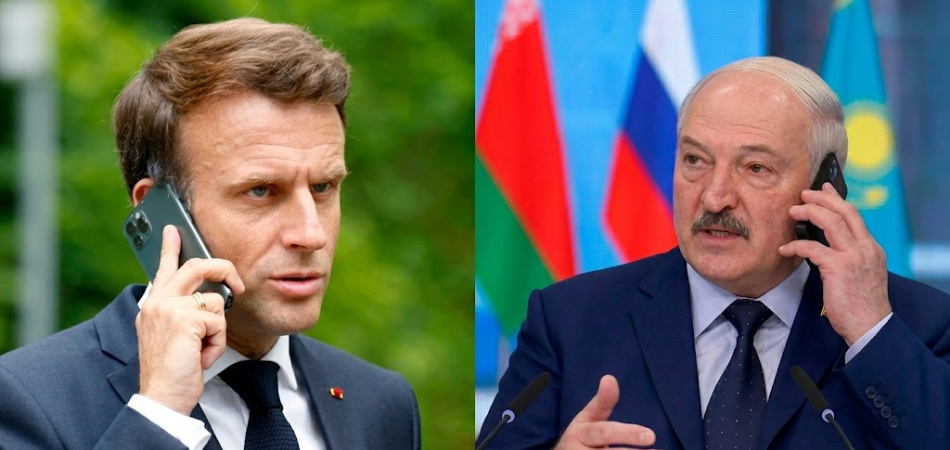
The expert is convinced that there is no point in hoping for internal evolution or democratization of the Belarusian regime following the conversation with Macron—it is entirely dependent on the survival of a single individual. Instead, the French leader was pursuing other goals.
“On the one hand, it was a stern warning to the Belarusian dictator not to make unnecessary and overly abrupt moves toward NATO countries or Ukraine. On the other hand, it was a way to ‘take the temperature of the room.’ The West was trying to gauge the current mood in Minsk and understand Lukashenko’s position on recent events in order to plan future steps more effectively,” notes an analyst from “Ukrainian Prism.”
Nuclear bluff and Oreshnik: Is there a real threat from the north?
Recent developments surrounding Belarus—joint nuclear exercises with Russia, Alexander Lukashenko’s unexpected proposals for a meeting with Volodymyr Zelenskyy, and increased attention from Ukrainian intelligence toward the border—raise many questions. Is this preparation for something bigger? Exclusively for the publication
“He can pop out like a jack-in-the-box at the most unexpected moment. And believe me, I wouldn’t be surprised if, in the end, he ends up being hailed by the West as a great peacemaker… Or perhaps, when Putin is hanged, he’ll try his luck as Russia’s new dictator. Both options are entirely within his paradigm,” notes Tamar.
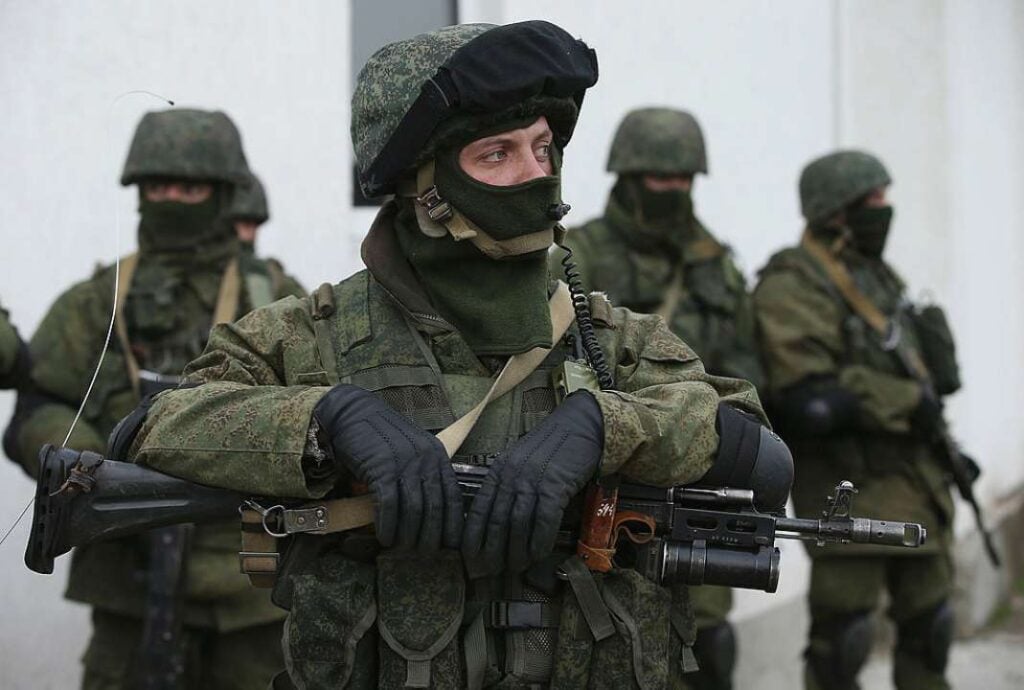
Grigory Tamar is convinced: today, the real military potential of the Belarusian army is virtually zero. The only thing Minsk has is its geographical location, which allows Russian troops to be deployed onto its territory. However, a repeat of the start of a full-scale invasion is no longer possible. Back then, 30–40 thousand Belarusian bayonets could have played a harmful role, but now the situation is radically different.
Moreover, Lukashenko fully understands the consequences of directly entering the war:
- Economic collapse: In the event of an attack from Belarusian territory, Ukrainian forces are capable of “crushing” the extremely vulnerable Belarusian economy in just 48 hours.
- Weak air defense: The country has virtually no effective air defense.
- Ukraine’s air superiority: Ukraine’s vast experience with drones makes Belarusian targets easy prey.
That is precisely why Lukashenko is trying to sit not on two, but on three chairs at once, demonstrating incredible political balancing acts. However, as the expert emphasizes, this cannot go on indefinitely—sooner or later, he will have to make a decision.
The IDF reserve officer also criticized Ukraine’s initial strategy, calling it a mistake to play by the rules dictated by the West. In his view, Kyiv should have acted much more decisively and broken the imposed patterns in the early stages of the war:
The Transnistria Case
“It was necessary to seize Transnistria, take the Russian forces stationed there hostage, and exchange them for the captured defenders of Azovstal while Mariupol was still holding its defenses,” says Tamar
The Minsk Direction: During the Ukrainian Armed Forces’ resounding successes in the Kharkiv and Kherson regions, according to Tamar, it was necessary to enter Belarusian territory and “advance on Minsk.”
“That would have completely changed the geopolitics of this situation. And, by the way, the Belarusian people would have remembered throughout history that you liberated them from dictatorship,” Tamar believes.
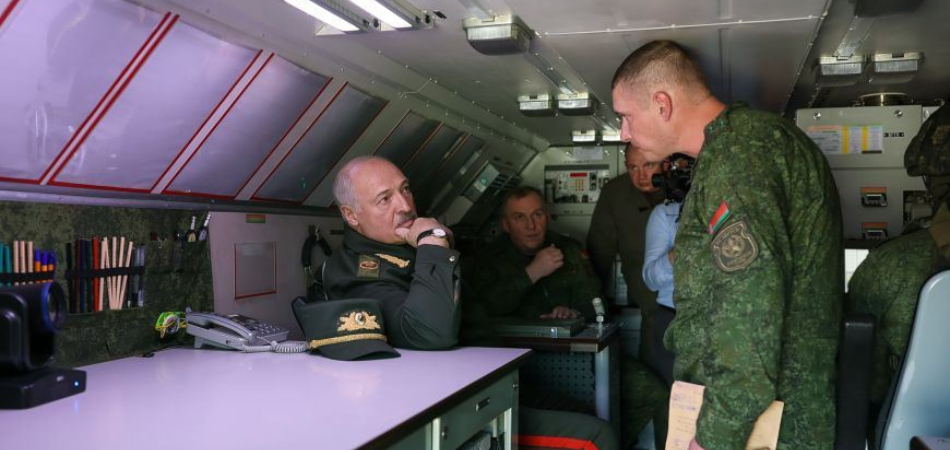
As for the recent nuclear exercises, there are certain doubts. The Belarusian Ministry of Defense released footage purportedly showing the transfer of nuclear warheads for the Iskander-M missile system from Russia. A counter-visual analysis of previous similar videos has generally shown that the footage was shot at Russian bases under the command of Russian officers and under Russian flags.
“The essence of all this is information and psychological operations (IPO) on the part of Minsk and Moscow. This is an attempt to keep Ukraine and Europe in a state of constant tension and stress. Lukashenko himself understands perfectly well: a direct invasion would destroy his regime from within, and Ukraine possesses sufficient means to strike any point in Belarus in response, including his residences,” concludes Pavlo Rad.
Thus, the diplomatic “gambit” by the West and Ukraine is designed to act preemptively: to establish Lukashenko’s status as an unreliable accomplice to aggression and force Minsk to think twice before carrying out the Kremlin’s latest whims. There will be no return to the 2021 model of relations—and now Kyiv is dictating the terms.