Kazakhstan Comes to the Rescue of Russia’s Fuel Market: Moscow Is Searching for Gasoline Around the World
2 July 13:30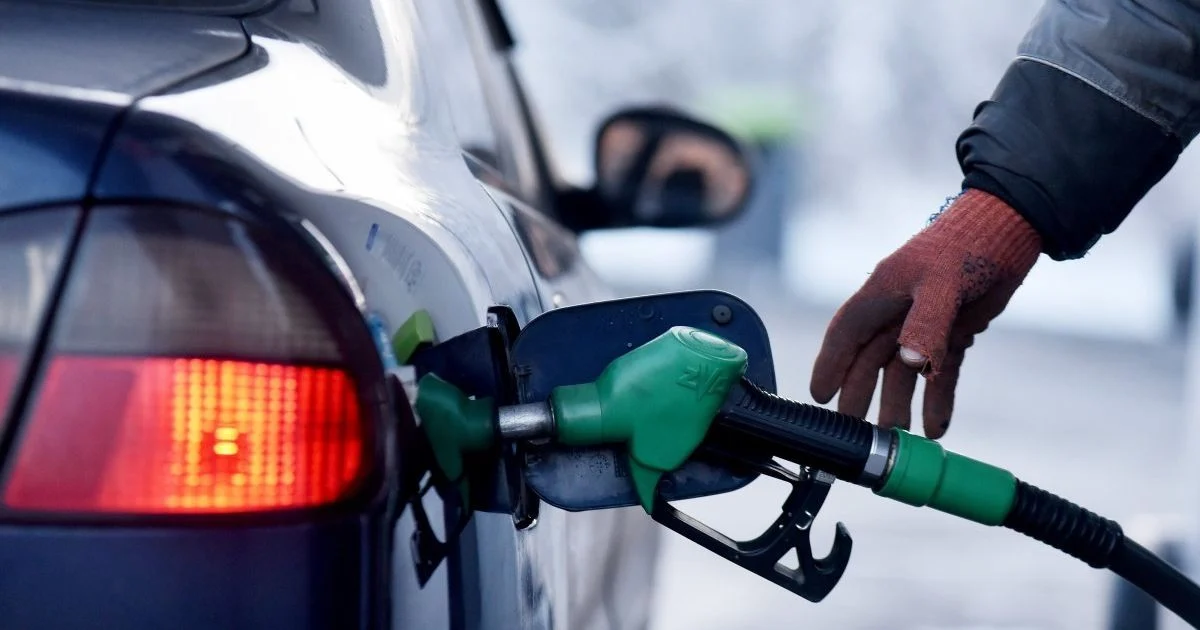
Kazakhstan has agreed to supply Russia with 50,000 metric tons of automotive gasoline in July and August 2026. The shipments may be classified as humanitarian aid amid an acute fuel shortage in Russia. Reuters reported this, citing four sources in the fuel industry, according to [kommersant].
Kazakhstan is expected to supply AI-92 and AI-95 gasoline. The Pavlodar Oil Refinery and the Kondensat company are cited as the sources of the supplies.
At the same time, Kazakhstan’s Ministry of Energy stated that it had not received an official request from Russian government agencies regarding the supply of fuel as humanitarian aid.
How Much Gasoline Can Kazakhstan Supply to Russia
According to Reuters, the total volume of supplies will amount to 50,000 metric tons of gasoline during July and August 2026.
The fuel in question is AI-92 and AI-95.
Supplies are planned to be made from two Kazakhstani enterprises:
- the Pavlodar Oil Refinery;
- the Kondensat plant.
The agency’s sources noted that the fuel could be classified as humanitarian aid.
At the same time, the exact shipment schedule, the allocation of volumes between the plants, and the financial terms have not been disclosed.
Has Kazakhstan officially confirmed the deliveries?
The Kazakh Ministry of Energy has not confirmed the existence of an official request from Russian government agencies.
In a comment to Reuters, the ministry stated that it had not received any requests regarding gasoline deliveries as humanitarian aid.
However, the ministry did not rule out the possibility of fuel exports from the Kondensat plant.
The ministry explained that the decision would depend on the availability of gasoline in Kazakhstan’s domestic market.
What raw materials will be used to produce gasoline for Russia?
The Kondensat plant processes raw materials supplied by the Russian oil company Tatneft.
Kazakhstan’s Ministry of Energy noted that if gasoline is exported to Russia, it will be produced specifically from Russian raw materials.
This means that Kazakhstan could effectively refine crude oil received from Russia and return the finished motor fuel to the Russian market.
The possibility of such supplies will depend on:
- gasoline stocks in Kazakhstan;
- demand in the domestic market;
- the volume of raw materials;
- the operation of oil refineries;
- logistics;
- the risks of international sanctions.
Why Russia Needed Gasoline from Kazakhstan
Russia, traditionally a major producer and exporter of petroleum products, has faced a massive fuel crisis.
Among the main causes:
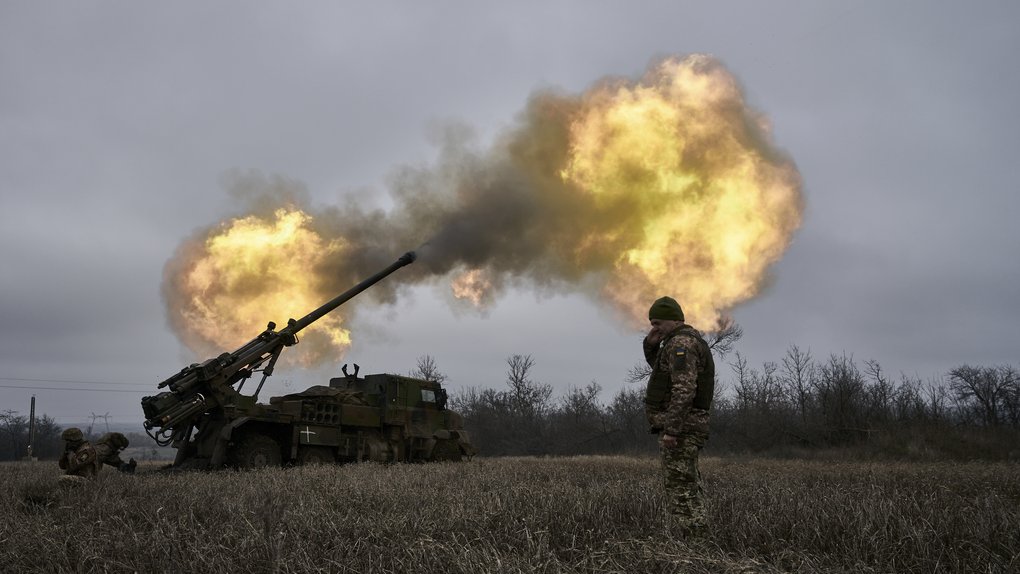
- Ukrainian strikes on oil refineries;
- damage to fuel depots;
- shutdowns of certain production facilities;
- unscheduled refinery maintenance;
- high seasonal demand;
- logistical disruptions;
- a decline in gasoline production.
At the end of June, gasoline output in Russia was about 25% lower than a year earlier, Reuters reported.
Long lines have formed at gas stations across Russia
Fuel shortages have affected various regions of Russia.
Reuters reports:
- long lines at gas stations;
- restrictions on gasoline sales;
- a shortage of certain fuel brands;
- a sharp rise in wholesale and retail prices;
- disruptions in public transportation;
- problems with fuel supplies to farmers;
- reductions in certain public utility services.
In some Russian regions, bus routes were canceled and garbage collection was suspended due to a fuel shortage.
During the summer, Russia consumes at least 110,000 metric tons of gasoline per day.
A shipment of 50,000 metric tons from Kazakhstan would cover less than half of Russia’s daily summer consumption.
If this total volume is distributed over July and August, it will amount to approximately 800 metric tons per day—less than 1% of the reported daily demand.
Thus, Kazakhstani gasoline can only partially alleviate the shortage but is not capable of solving the problem on its own.
Russia has begun purchasing gasoline from India
Due to the fuel shortage, Russia has also begun importing gasoline by sea from India.
According to Reuters, at least 60,000 metric tons of gasoline have already been shipped from India.
Sources reported two tankers, each carrying between 30,000 and 40,000 metric tons.
Russia may attempt to import up to 400,000 metric tons of gasoline per month from various countries.
Possible suppliers include:
- India;
- Kazakhstan;
- Belarus;
- other countries willing to do business with the Russian market.
Watch us on YouTube: important topics – without censorship
Why Gasoline Imports Are Unusual for Russia
Russia remains one of the world’s largest oil producers and has traditionally exported significant volumes of petroleum products.
In 2025, the country exported nearly 5 million metric tons of gasoline.
Therefore, the need to purchase fuel abroad indicates serious problems in domestic oil refining.
Imports are complicated by:
- high shipping costs;
- limited capacity of ports and railways;
- international sanctions;
- risks associated with bank settlements;
- the reluctance of some companies to do business with Russia;
- differences in fuel quality standards.
Ukrainian strikes have reduced fuel production
Ukraine has intensified its strikes on Russian energy facilities that support the Russian economy and military.
The following were targeted:
- oil refineries;
- fuel storage tanks;
- oil depots;
- pumping stations;
- gas processing plants;
- port infrastructure;
- railway fuel terminals.
Damage to several large plants in central Russia has led to a sharp drop in gasoline production.
Reuters notes that the strikes on oil refineries have become one of the main causes of the current shortage.
Putin Acknowledged Fuel Shortages
Kremlin dictator Vladimir Putin has publicly acknowledged the existence of a fuel shortage in certain regions.
He stated that the authorities have set up a special task force to stabilize the market and ensure gasoline supplies for the agricultural sector.
Russian authorities are also considering:
- additional restrictions on fuel exports;
- increasing subsidies to oil refineries;
- importing gasoline;
- a ban on diesel fuel exports;
- a temporary relaxation of fuel quality requirements.
In some regions, retail gasoline prices have risen to among the highest levels in Europe, according to Reuters calculations.
Read us on Telegram: important topics – without censorship