Kyiv Shrouded in Smoke: An Expert Explains the Reasons
3 July 16:02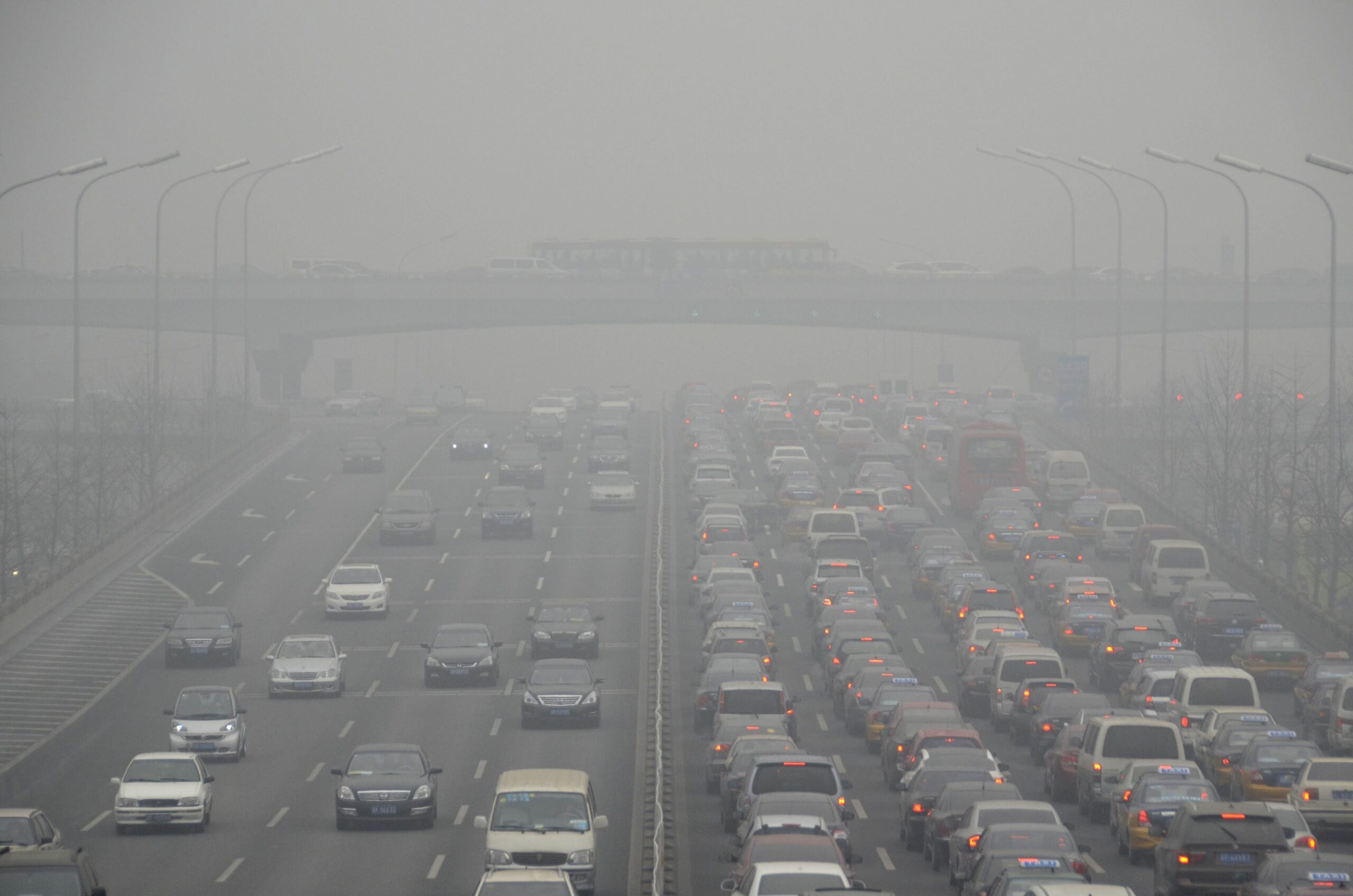
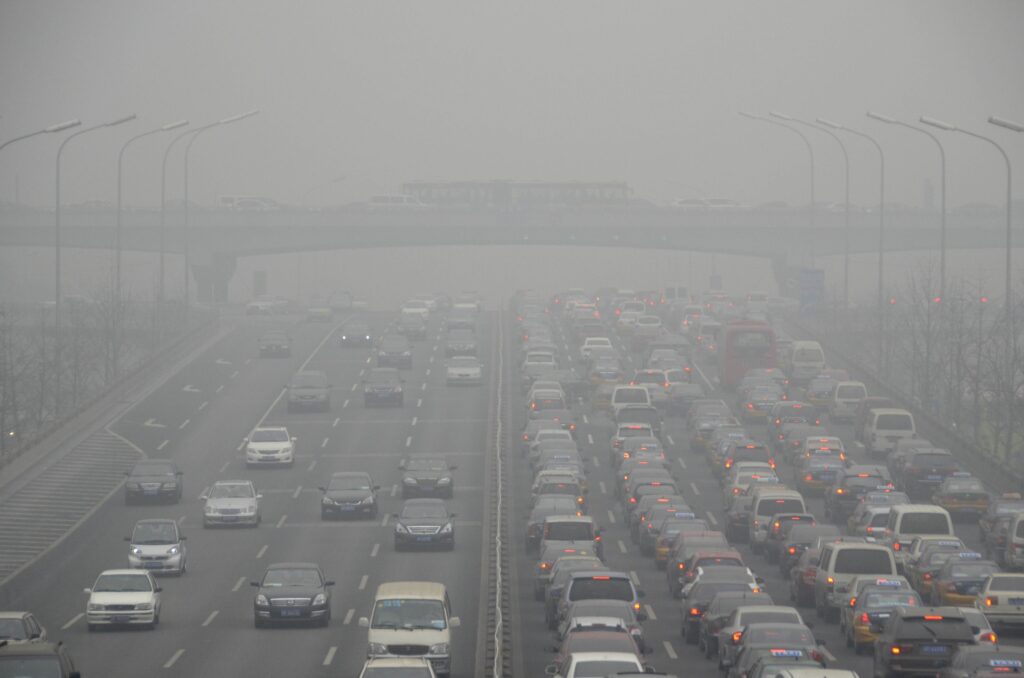
Early this morning, Kyiv residents began complaining about thick smoke and a distinct smell of burning. Data from automatic monitoring stations confirmed an increase in the concentration of fine particulate matter in the air.
As Iryna Chernysh, an environmental activist and co-founder of the nonprofit organization SaveDnipro, told "Komersant Ukrainian", these are the consequences of fires in the Chernobyl Exclusion Zone. According to her, this is the predominant and most significant contributing factor.
“Thesefires have been raging for over a week. They are located in various parts of the zone. Some areas are quite difficult to access for firefighting. That’s why we’re seeing constant changes on the fire map, which can be viewed on SaveEcobot: the size of the fire locations is decreasing, and the number of locations is decreasing. Then new fire locations appear. Some are indeed quite challenging to extinguish. After the thunderstorm, their number decreased. Nevertheless, because the wind shifted back toward Kyiv yesterday, we are now under such a significant smoke dome,” explains Chernysh.
She also notes that yesterday’s shelling of Kyiv had a significant impact on air quality.
“We observed several localized fires in various parts of the city, both on the left bank and the right bank. And, of course, due to the nighttime temperature inversion—when cold air sinks—the dispersion of pollutants is hindered, causing them to remain trapped in the lower atmosphere. And due to these combined factors—the fires in the Chernobyl zone and the fires following the Russian Federation’s terrorist acts in Kyiv—we are unfortunately seeing this integrated pollution, because the city has traditionally been a major source of man-made pollution,” says Chernysh.
As Iryna Chernysh explains, there are currently several traditional factors, plus the factor of military activity, but the most significant one today—and the one that is still in effect—is the Chernobyl Exclusion Zone and the fact that the wind has shifted and is carrying everything toward Kyiv.
Watch us on YouTube: important topics – without censorship
Consequences of a Large-Scale Attack on Kyiv
On the night of July 2, Russian troops launched a massive combined attack on the capital. Fires broke out in various districts at residential, warehouse, industrial, and other facilities.
As buildings, vehicles, fuel, plastic, warehouse goods, and construction materials burn, smoke, soot, and fine particulate matter are released into the atmosphere.
Even after the open flames have been extinguished, isolated hot spots may continue to smolder, and combustion products may be carried throughout the city by air currents.
Fires in ecosystems around the capital
As early as June 30, the Kyiv City State Administration reported a temporary deterioration in air quality due to elevated concentrations of ground-level ozone and particulate matter.
According to the Ukrainian Hydrometeorological Center, a northwesterly wind contributed to the influx of air masses into the capital from areas affected by forest fires, particularly from the Chernobyl Exclusion Zone.
The corresponding warning was published on Kyiv’s official website.
Read us on Telegram: important topics – without censorship