Human bones were discovered in the Cherkasy region during repair work
30 July 12:09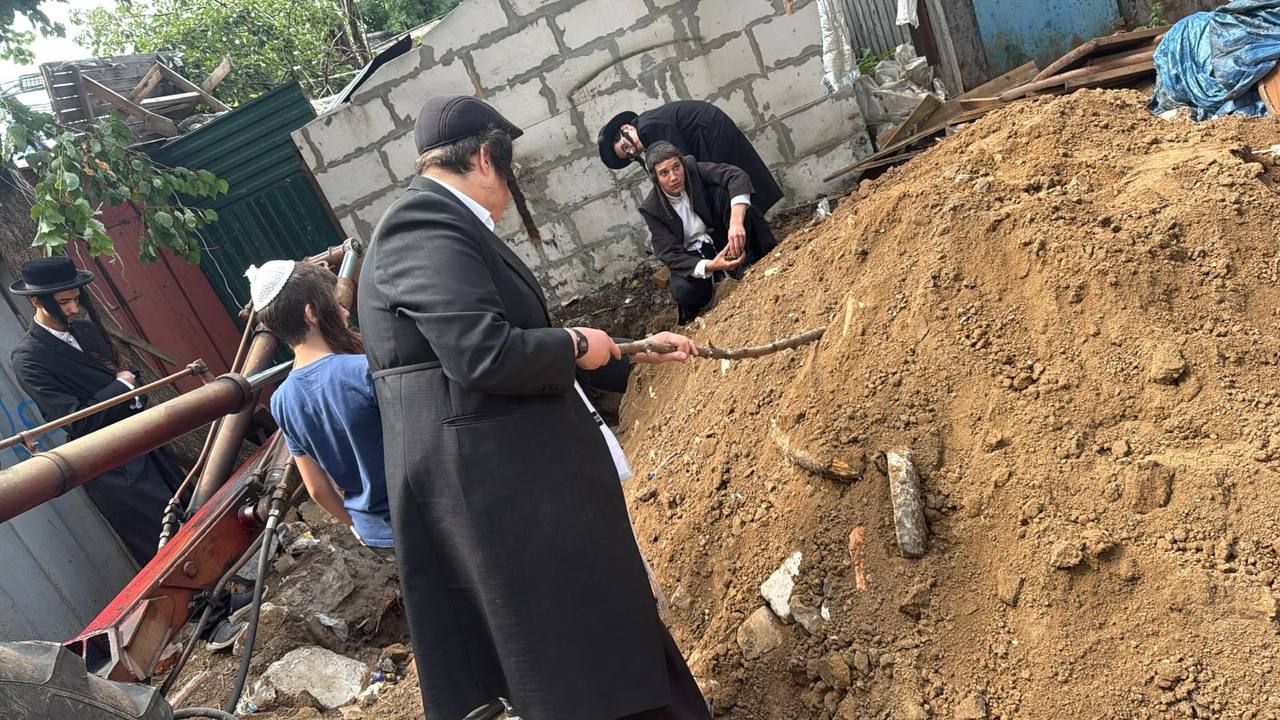
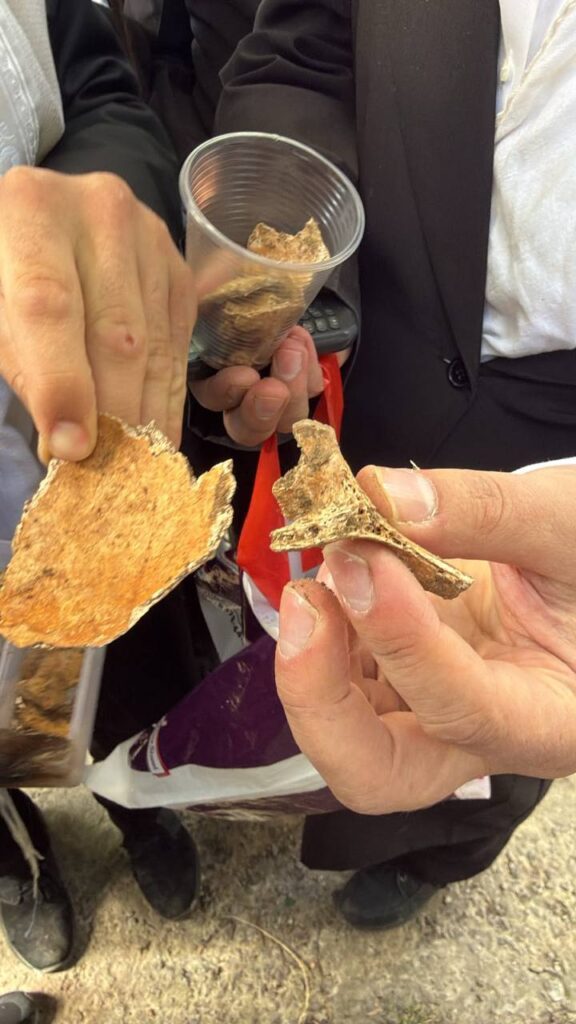
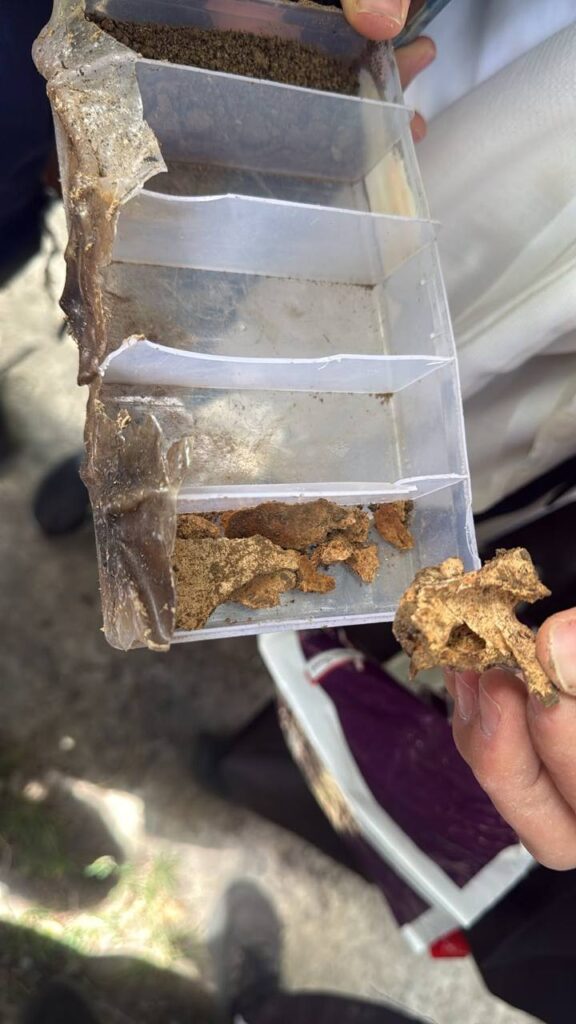
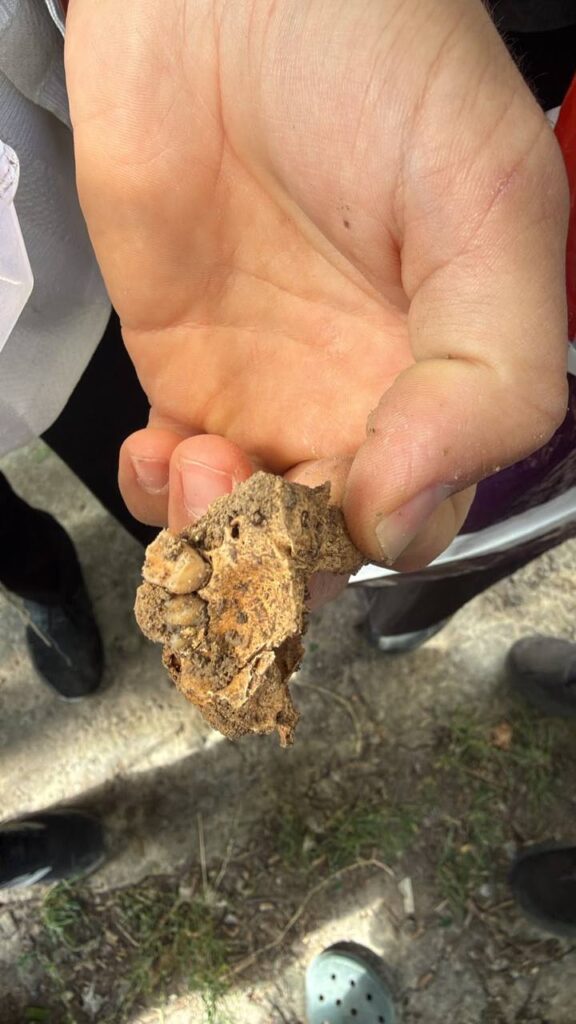
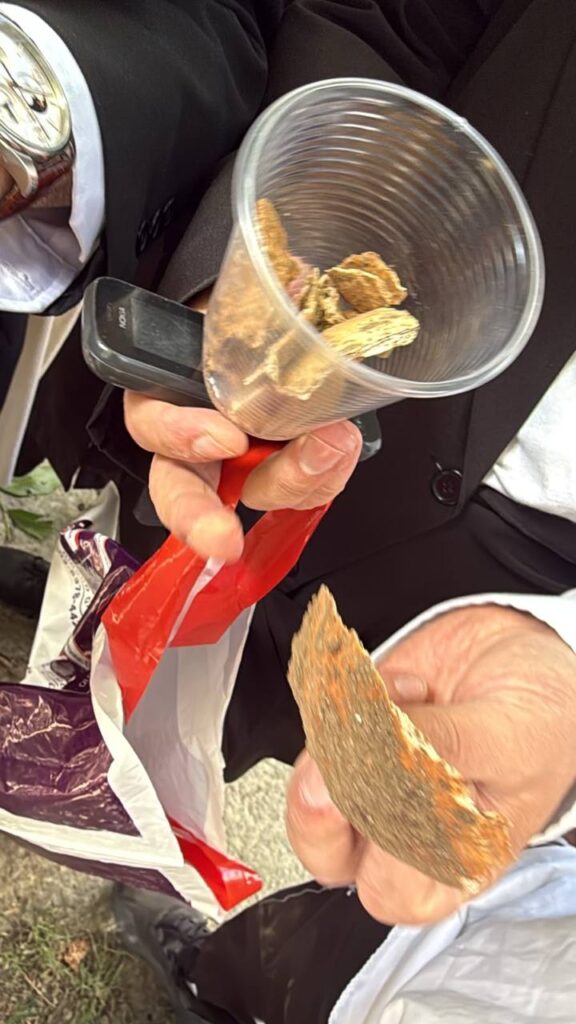
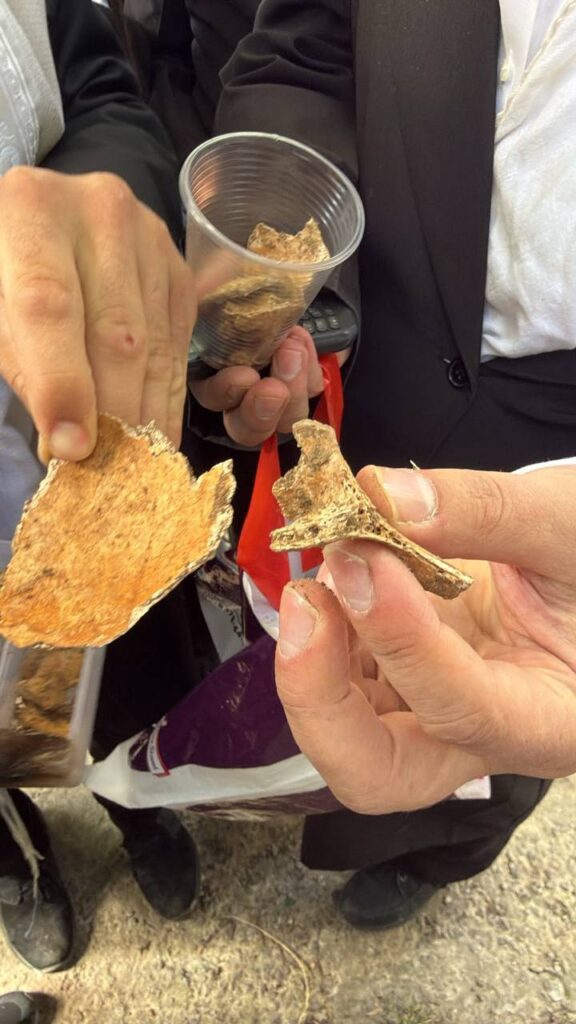
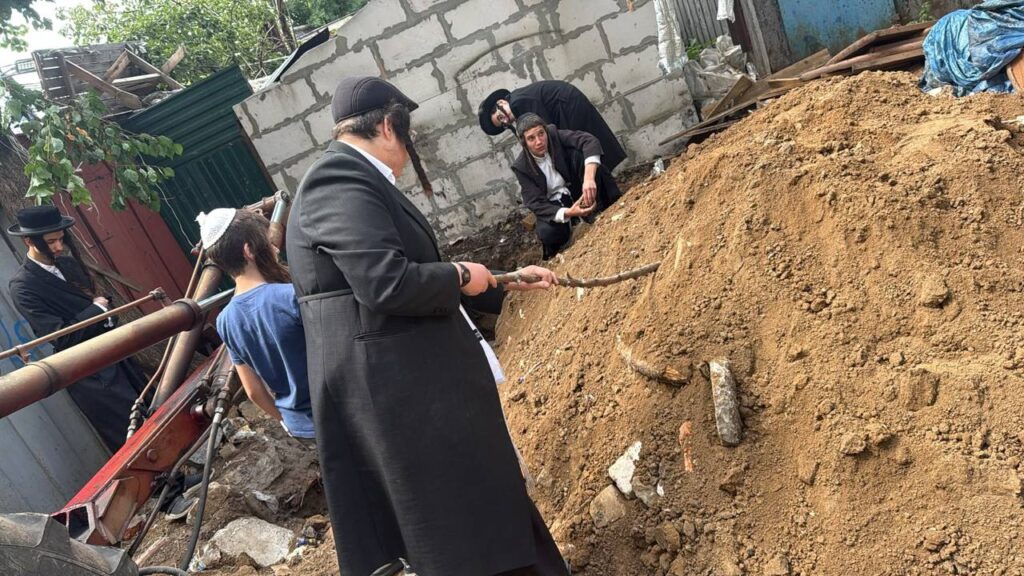
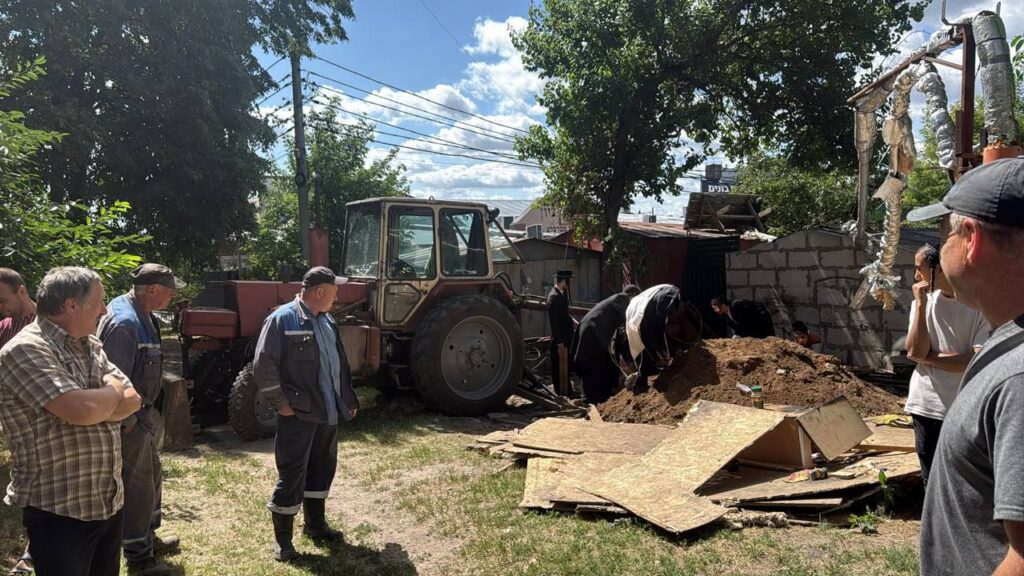
In Uman, near the Hasidic pilgrimage site, fragments of human bones were discovered during renovation work. This was reported by a correspondent for "Komersant Ukrainian".
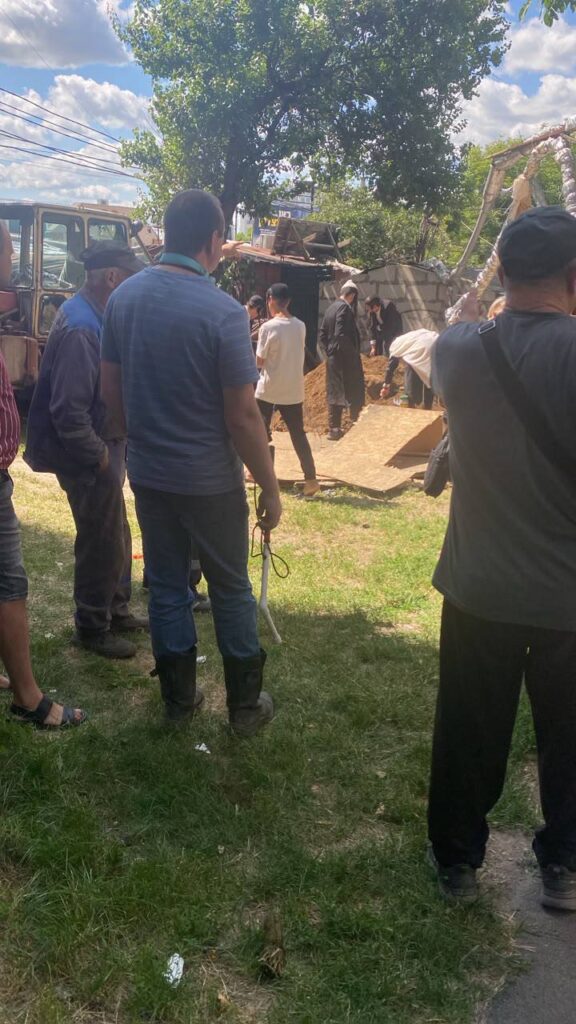
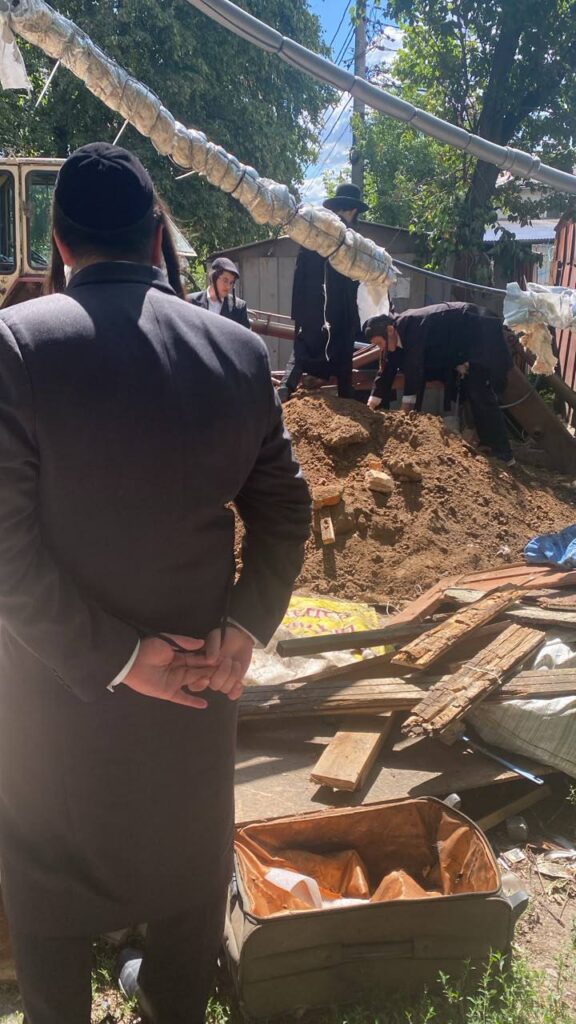
The discovery was made near Rabbi Nachman’s grave, where a trench was being dug for electrical work. Contractors were on site performing excavation work near the old Jewish cemetery.
The discovery caused concern among Hasidic pilgrims, as this area holds special historical, religious, and memorial significance. According to historical records, this is the site of an ancient Jewish cemetery associated with the burials of Uman’s Jewish community and the tragic events of the 18th century.
Pilgrims are concerned about the discovery
For the Bratslav Hasidim, the area near Rabbi Nachman’s grave is not only a place of pilgrimage but also a space of remembrance. Rabbi Nachman himself stipulated in his will that he be buried in Uman alongside the Jews who perished during the tragic events of the Koliivshchyna uprising.
That is precisely why any excavation work in this area is extremely sensitive for the religious community.
One of the pilgrims, who was near the site of the work, said that for Hasidim, such a discovery is painful.
“For us, this is a very difficult sight to behold. We come here to pray because this is a holy place, a place of remembrance. When human bones are found in the ground during construction, it’s painful. It means there really were burials here, and this land must be treated with great respect,” the pilgrim said.
Watch us on YouTube: important topics – without censorship
Iryna Rybnytska, executive director of the charitable organization “Uman Historical and Cultural Center Foundation ,” noted that the foundation has been working for many years to protect the historic Jewish cemetery in Uman.
According to her, the site of the old cemetery was partially built over during the Soviet era, which is why any excavation work in this area today requires special caution and oversight.
“This situation once again confirms what we have been saying for many years: the area surrounding Rabbi Nachman’s grave is part of an ancient Jewish cemetery. If human remains are found again during routine excavation work, it means that this land does not need to be built on or subjected to haphazard construction, but rather requires protection, research, and respect,” noted Iryna Rybnytska.
She emphasized that any excavation work on sites of historical and cultural significance or that may be associated with burials must be conducted strictly in accordance with Ukrainian law.
“It should be noted that the site is under protection; excavations are strictly prohibited, and we are seeing the horrific consequences of this desecration today. Excavations in such places are permitted only after obtaining the appropriate permits from cultural heritage protection authorities. This is not just a technical site. It is a place of remembrance where people may be buried. And every such find must be properly documented, studied, and handed over to specialists,” Rybnytska explained.
The old cemetery, which was built over during the Soviet era
The issue of the old Jewish cemetery in Uman is not a new one. During the Soviet period, part of the territory where Jewish graves were historically located was built over. That is why discussions regularly arise in the pilgrimage area today regarding the cemetery’s boundaries, protected zones, construction work, and the need to preserve historical memory.
The charitable organization “Uman City Historical and Cultural Center Foundation” emphasizes that such cases must receive an appropriate response from the relevant agencies, local authorities, cultural heritage experts, and law enforcement agencies.
“We cannot treat human remains as mere obstacles during renovation work. These are human graves. This is memory. This is part of the history of Uman and the Jewish community. Our foundation will insist that all work on this site be carried out strictly within the bounds of the law and with respect for the burial site,” said Iryna Rybnytska.
The foundation notes that such incidents once again demonstrate the need for clear legal protection of the old Jewish cemetery in Uman, the establishment of regulations governing the use of this area, and a ban on any work without proper authorization.
For Hasidic pilgrims who visit Uman every year, this land is sacred. For the city, it is part of its multicultural history. And for Ukraine, it is a matter of taking a responsible approach to cultural heritage and sites of remembrance.
Read us on Telegram: important topics – without censorship