Russian strikes are crippling grain exports: Ukraine has lost 2.5 million metric tons of port capacity
13 July 14:36
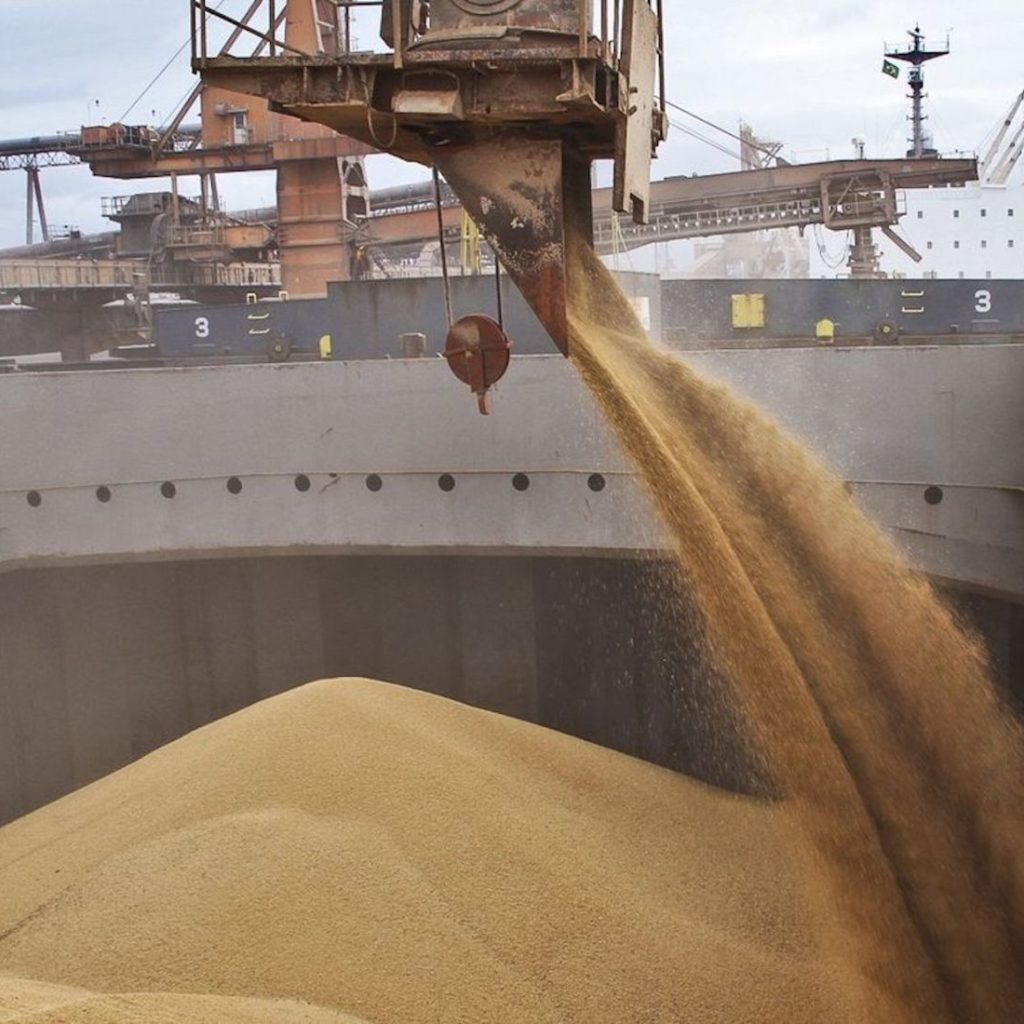
Russian strikes on port and railway infrastructure have significantly hampered Ukrainian grain exports. Due to regular attacks, Ukraine has lost the ability to accumulate about 2.5 million metric tons of cargo each month in its deep-water ports, creating serious logistical problems ahead of the new marketing season. This was reported by "Komersant Ukrainian", citing an article by Bohdan Kostetskyi, an operational partner at the trade and analytics firm Barva Invest, on the Agro Times website.
Ukraine has lost a third of its port capacity
According to Bogdan Kostetsky, before the start of the full-scale war, Ukrainian seaports were able to handle up to 7 million metric tons of bulk cargo each month.
Following systematic Russian attacks, the situation has changed dramatically.
“Today, the combined capacity of road transport and grain carriers amounts to only 4–5 million metric tons per month. The loss of deep-water port capacity—approximately 2.5 million metric tons—creates a ‘bottleneck’ for grain exports,” the expert noted.
According to him, the following have been under attack by Russia throughout the year:
- port infrastructure;
- grain terminals;
- major railway stations;
- depots;
- locomotives;
- civilian merchant vessels.
Ukraine is entering the new season with large grain stocks
Due to logistical constraints, the agricultural sector has accumulated significant carryover stocks.
Currently, Ukraine is entering the new season with stocks of:
- about 4 million metric tons of corn;
- nearly 4 million metric tons of wheat.
According to Kostetsky, larger stocks were recorded only in 2022, when deep-water ports were completely blocked following the start of the full-scale invasion.
Logistics Costs Are Rising Due to the War
The war continues to drive up the cost of Ukrainian exports.
The expert cited several examples:
- transporting grain from Constanta to Alexandria costs about $5 per metric ton less than from Odesa, due to military risk premiums;
- as of July 1, Turkey raised tolls for ships passing through the Bosphorus and Dardanelles straits by 15%, adding about $1 per metric ton of cargo.
In addition, due to air raid alerts, ships are forced to remain idle, which also affects the final cost of logistics.
SEE ALSO: Bread Prices in Ukraine May Rise by Up to 15%: When to Expect New Prices
Large ships are calling at Ukrainian ports less and less frequently
Due to high risks, international shipowners are reducing their use of large bulk carriers.
While Panamax-class vessels previously accounted for 40–45% of all shipments, their share has now dropped to approximately 20%.
It is precisely these vessels that are used to export:
- barley to China;
- feed grain to Southeast Asian countries;
- products to Far East markets.
Watch us on YouTube: important topics – without censorship
Alternative routes cannot yet replace seaports
Despite the development of alternative logistics, its capacity is insufficient to compensate for the losses.
Every month, Ukraine exports:
- about 100,000 metric tons through the Danube ports;
- by road — another approximately 100,000 metric tons;
- by rail to the EU—300,000–400,000 metric tons.
These figures fall significantly short of the 2.5 million metric tons of lost seaport capacity.
SEE ALSO: Russia attacked two foreign ships with a drone: there are casualties
“Ukrzaliznytsia” May Raise Rates
According to Bohdan Kostetskyi, 92–95% of grain is currently delivered to Ukrainian ports by rail.
Currently, the average cost of transportation from the central and northwestern regions is about 1,500 UAH per metric ton, while route-based transportation costs approximately 1,200 UAH.
If Ukrzaliznytsia raises rates by 30% starting August 1, logistics costs will increase by another approximately $5–6 per metric ton, which will raise the share of transportation costs in the cost of corn by an additional 2.5–3%.
The expert noted that there were periods when agricultural products were delivered to ports by road from the Kyiv and Chernihiv regions. Currently, the competitive range for road transport has narrowed to 200 km from the ports.
“An increase in Ukrzaliznytsia’s rates could expand the delivery radius for agricultural products from the regions. However, the cost of truck transportation is too high to compete with rail. Staff shortages and military risks are taking their toll: everyone remembers the tragic incidents of trucks being hit while waiting in staging areas near the ports. Therefore, the war remains a decisive factor in grain logistics,” the expert noted.
Hopes for the Port of Mykolaiv
Experts express some optimism regarding the prospect of resuming shipping to Mykolaiv following the possible de-occupation of the Kinburn Spit.
If the Port of Mykolaiv reopens:
- export opportunities will increase;
- transshipment tariffs will decrease;
- logistical capabilities for Ukrainian exporters will expand.
However, the expert emphasizes that this is currently only a potential scenario, and the war remains the main risk for Ukrainian agricultural exports.
As reported by
Read us on Telegram: important topics – without censorship