Sinsay, H&M, and SHEIN: Promodo Names the Leaders in the Fashion App Market
19 June 16:53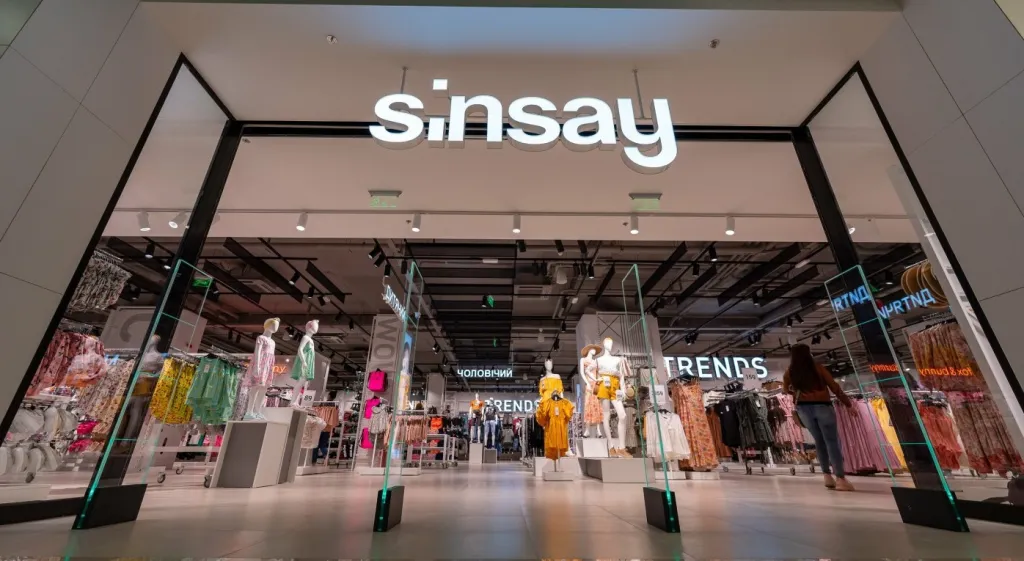
Sinsay is the undisputed leader; H&M is making a comeback; and SHEIN is actively attracting users but struggling to retain them. Data from a Promodo study shows that in the Ukrainian fashion mobile app market, success goes not to those who spend the most on advertising, but to those who can retain users within the first 48 hours, reports "Komersant Ukrainian".
“In the first quarter of 2026, the fashion mobile app market in Ukraine continues to grow. At the same time, conditions have become tougher: shoppers are more price-sensitive and switch between apps more easily in search of discounts and promo codes. Brand loyalty is declining,” the study states.


According to the study, based on SensorTower data, Sinsay remains the undisputed leader in terms of downloads: 200,367 downloads on Android (19.2% of the market) and 129,809 on iOS (15.8%). Global players are succeeding thanks to a combination of strong branding, active promotion, and competitive pricing.
According to Promodo, the most notable comeback of the quarter was H&M. On iOS, the brand took second place in downloads (91,221, or 11.1% of the market), surpassing SHEIN and Cropp. On Android, however, it ranks 15th. This illustrates an important principle: the iOS audience responds much more quickly to a brand’s return.
The top 15 also included LC Waikiki and Puma—both brands launched their apps in 2025 and have already seen notable results thanks to their initial advertising campaigns.


The study also takes into account the MAU metric—the number of unique users who opened the app at least once a month. Here, the picture changes dramatically in some cases.
Watch us on YouTube: important topics – without censorship
Sinsay takes the lead here as well: 1.19 million active users on Android and 934,000 on iOS. But then come the surprises:
- Kasta ranks #2 on Android by MAU (418,000), although it’s only sixth in terms of downloads. The high retention rate indicates an effective system of personalized communications and a loyalty program. The company has already built a solid user base and is focusing on monetization.
- INTERTOP is the strongest local player by MAU: third on Android (306,000) and second on iOS (268,000). This metric indicates an effective retention system.
- Answear is #3 in MAU on iOS and #5 on Android, despite its modest ranking in terms of downloads. This is a classic example of high-quality retention: the brand attracts fewer users but firmly retains its audience.
- SHEIN ranks second in downloads but only seventh in MAU on both platforms. This is an example of aggressive user acquisition without adequate retention efforts.
“The difference between the number of installs and MAU is a clear indicator of how well an app retains users after their first interaction,” the study states.
iOS vs. Android: Who Pays More
The gap between the platforms in terms of user numbers in Ukraine is minimal. And a development strategy focused exclusively on Android—based on the perception of its total dominance—means losing nearly half the market—44.75%.

“At the same time, according to Singular’s global Q1 2026 data, in the eCommerce and Shopping segment, Android accounts for about 85% of all installs, but iOS generates 45% of revenue. On average, a single Apple user generates three times more revenue for an app than an Android user, and the average transaction value on iOS is consistently 30–50% higher,” reports Promodo.
In addition, iOS users make purchasing decisions more quickly, while the Android audience is more prone to impulsive—but significantly cheaper—transactions and requires a longer “warm-up” period.
Conversion window — 48 hours
The median conversion rate from the moment a fashion app is installed to the first purchase in Ukraine ranges from 2% to 5%. Most purchases occur within the first few days after download.
“Organic traffic converts faster—these users were specifically searching for a brand or product and are already ready to buy. Paid traffic, on the other hand, requires remarketing within the first 48 hours, as these users view the app as just one of several options and need additional motivation—such as discounts, push notifications, or promo codes,” the study states.

According to Promodo, the Day-1 Retention rate in Q1 2026 rose to 27–33%, compared to 22.5% in the previous study. The market has learned to engage with its audience more effectively immediately after installation.
How Much Does It Cost to Acquire a User in Ukraine
According to the Singular Quarterly Trends Report Q1 2026, the global average CPI (cost per install) rose by 8.4% to $1.12. The cost of acquisition on iOS rose by 44% to $9.11, while Android remains relatively stable in terms of pricing.
Ukraine remains one of the most affordable markets for user acquisition in Europe.
According to Promodo, the CPA in the Shopping segment of Apple Search Ads in Ukraine is $1.10—lower than in most Western European countries (for comparison: the Netherlands — $2.51, Switzerland — $2.41, France — $2.13).
The low barrier to entry makes the market attractive for growing a user base, but at the same time increases internal competition—and turns launching an app into a complex game of user retention.
The market for mobile fashion apps in Ukraine has now definitively entered a phase of competition based on quality rather than quantity. The era of cheap downloads is over. Today, success is determined not by the size of the initial advertising budget, but by the ability to retain users who have already been acquired—and to do so within the first 24–48 hours after installation, while purchasing interest is at its peak.
Read us on Telegram: important topics – without censorship