Asparagus for 500 hryvnias: Why Ukrainian farmers are betting on a niche crop
20 May 19:01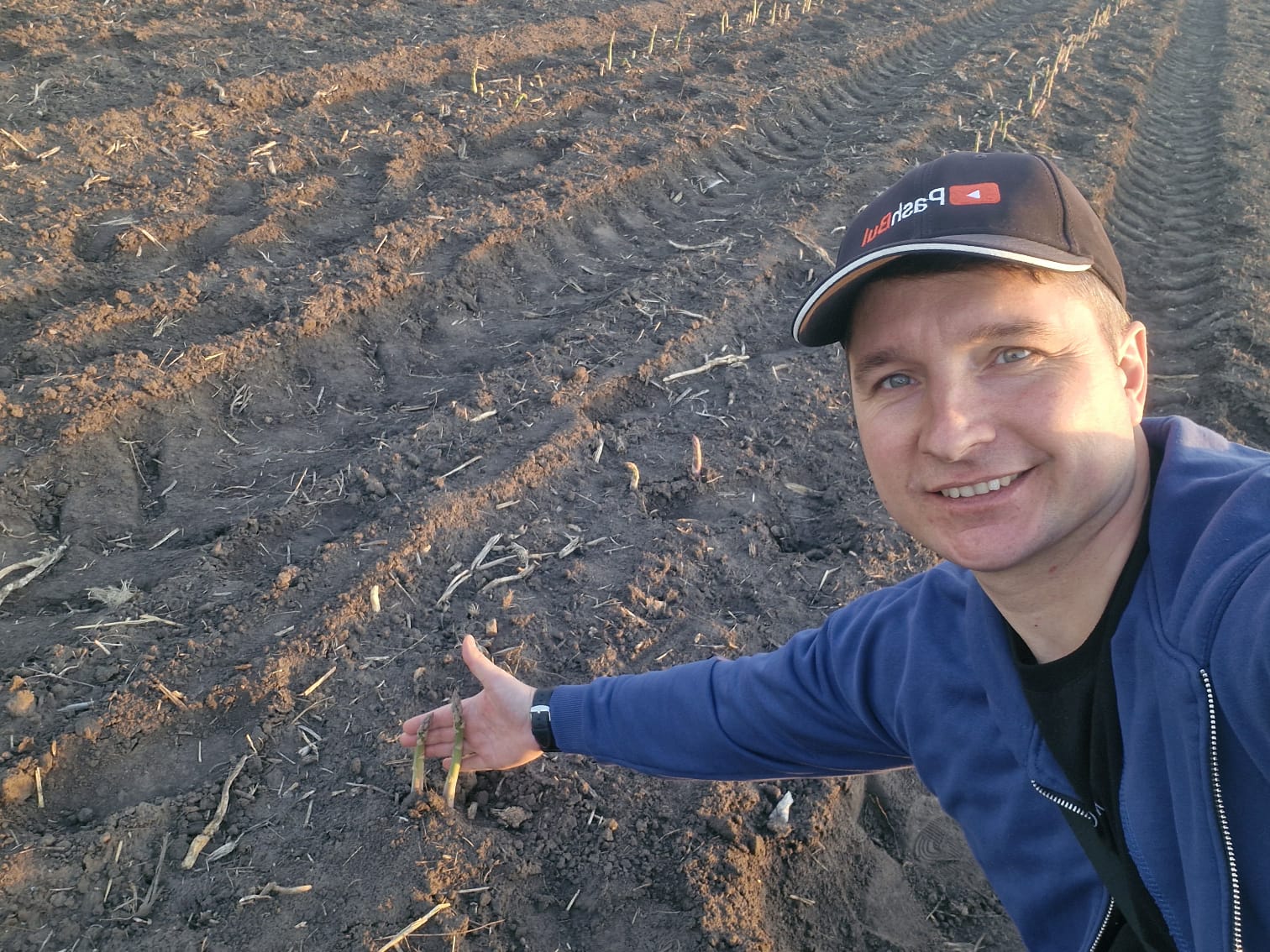 ANALYSIS
This year, asparagus has become one of the most striking examples of how weather anomalies affect the agricultural market. Spring frosts virtually destroyed the first harvest, leading to a severe shortage of the product in Ukraine. While last year a kilogram of asparagus cost an average of 285 hryvnias, the price on the market now reaches 500 hryvnias per kilogram.
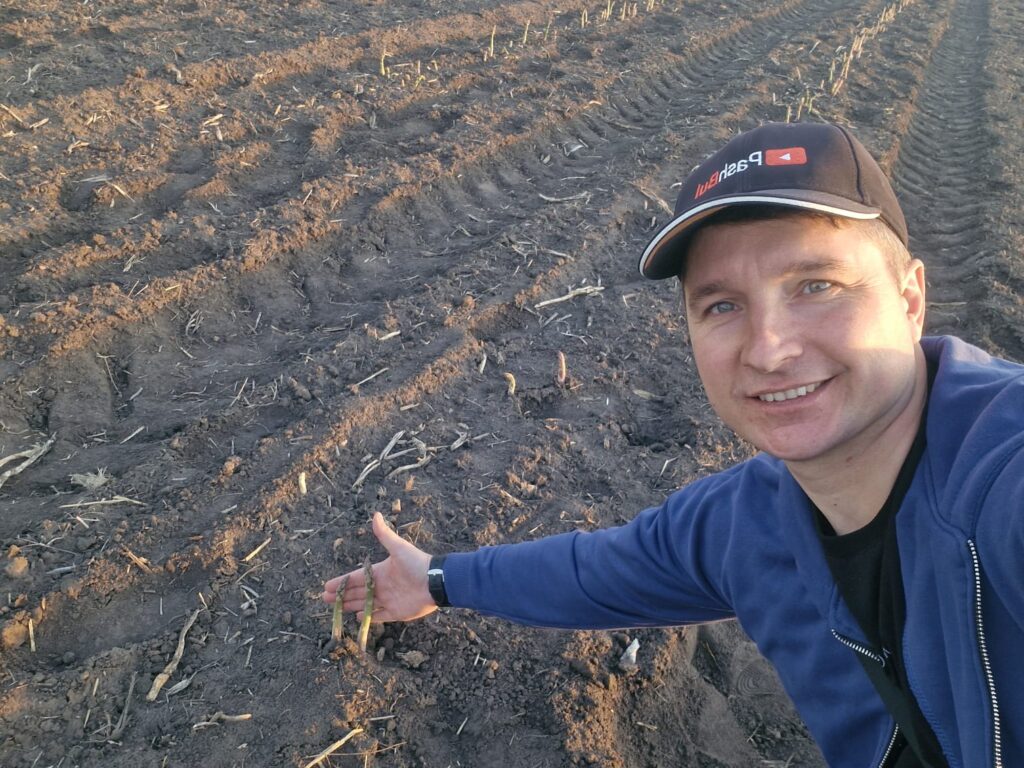
Despite this, the crop remains one of the most profitable in niche vegetable farming. Pavlo Bulgakov —an international consultant on vegetable storage, PhD, and senior lecturer at TSTU, who specializes in innovative technologies for growing niche crops, including asparagus, artichokes, and saffron—spoke to "Komersant Ukrainian" about the prospects for asparagus cultivation, the state of the market, and the development of the industry in Ukraine .

According to the expert, asparagus remains a consistently profitable crop. In his experience, as far back as 2013, the price ratio of asparagus to meat was the same as it is today: a kilogram of asparagus cost about the same as one and a half kilograms of meat. This indicates the crop’s consistently high profitability.
“I first became acquainted with asparagus in 2013. And since then, its price ratio relative to, say, meat hasn’t changed. A kilogram of asparagus costs as much as one and a half kilograms of meat. That was true then, and it’s true today. In other words, its profit margin is quite high. And if we’re talking about earnings per hectare, you can make a million in net profit if you hire full-time labor,” Bulgakov explained.
At the same time, the crop is well-suited for small-scale farming. According to Pavel Bulgakov’s estimates, a 2,000-square-meter backyard plot can yield about 400,000 hryvnias in profit per season.
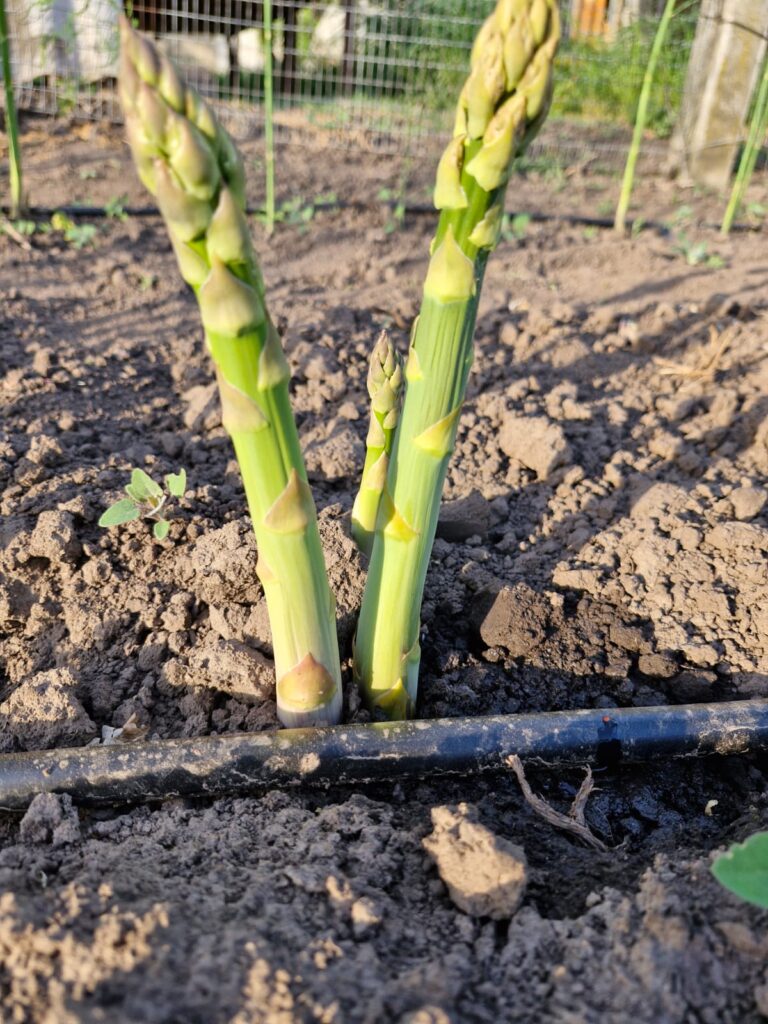
Despite high demand, the area under asparagus in Ukraine remains small. In total, even including the temporarily occupied territories, it does not exceed 500 hectares. For comparison: in Germany, over 28,000 hectares are under asparagus.
“I know the statistics on asparagus because I know many producers very well, and a great many of them bought planting material directly from me, or through me, or I was involved as a project manager. An example of this is the Cherkasy region, where over 20 hectares of asparagus were planted under my supervision using subsurface drip irrigation. But the total area in Ukraine does not exceed 500 hectares, including the occupied territories,” the expert noted.
According to him, the largest plantations before the full-scale war were concentrated in the Kherson region. In particular, the “Gourmet from Lyubymivka” farm, which is currently under occupation, had over 100 hectares of asparagus. There are also significant areas in the western regions of Ukraine.
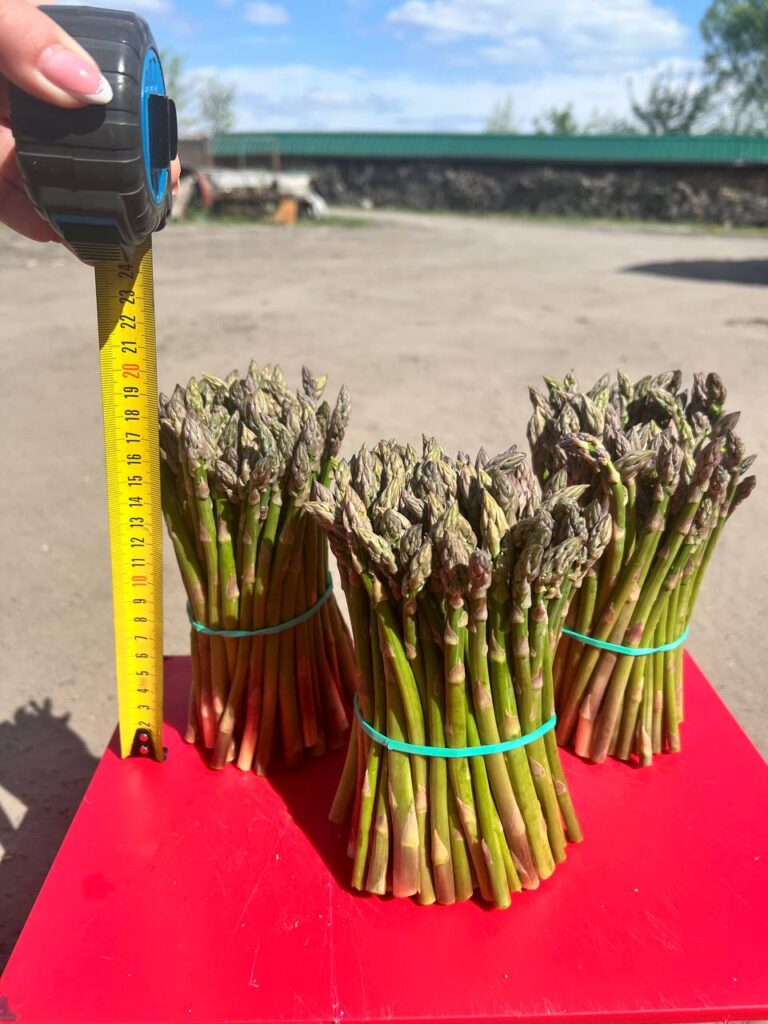
Ukraine remains an importer of asparagus for now. Due to spring frosts, the domestic harvest was insufficient even for the domestic market, so significant volumes of the product had to be imported from Poland.
“We import because we don’t yet export, and given that we had frosts at the start of the season and couldn’t even supply our own market with asparagus, a lot of asparagus was brought into the country from Poland. That’s the paradox,” Bulgakov explained.
Pavlo Bulgakov himself began working with asparagus back in 2013 in the Kherson region. At that time, while working as the chief technologist at Ukraine’s largest vegetable storage facility, he saw white asparagus for the first time. He admits that at first he didn’t understand the hype surrounding the crop and thought it would be better to buy meat with that money. However, over time, he changed his mind.
He later joined large-scale projects to grow asparagus and saffron in the Kherson region, and in 2019, he planted his own plot of purple asparagus. In 2025, he defended his dissertation on asparagus storage. Currently, there are only two academic dissertations in Ukraine dedicated to this crop.
“Back in 2020, I expanded the plot and began writing my dissertation on asparagus, which I defended in 2025. That means there are only two people in Ukraine who have defended a dissertation on asparagus,” Bulgakov notes.
According to the expert, the full-scale war has changed the structure of the vegetable market. Due to the occupation of part of the Kherson region, many specialists moved to other regions, while the western regions and the Zhytomyr region began actively increasing vegetable production and building new storage facilities.
Watch us on YouTube: important topics – without censorship
At the same time, interest in asparagus as a niche business has grown. More and more people are buying seedlings to grow the crop on their own plots. Veterans, who are eager to start their own businesses in the agricultural sector, are particularly active in this regard.
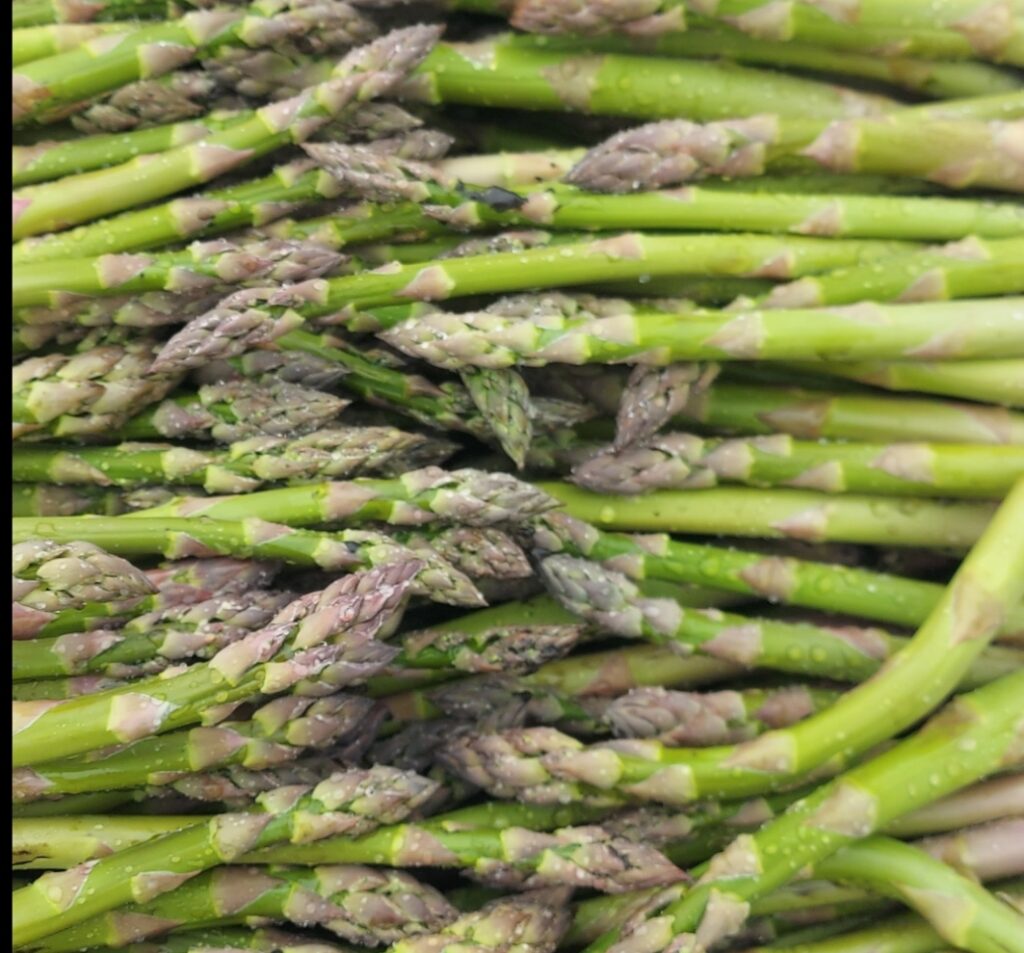
At the same time, interest in asparagus as a niche business has grown. More and more people are buying seedlings to grow the crop on their own plots. Veterans, who are eager to start their own businesses in the agricultural sector, are particularly active in this endeavor.
Pavlo Bulgakov shares one such example—veteran Anatoliy Sobkevych from near Berdychiv. Last year, he planted 20 acres of asparagus, and this year he expanded the area by another 30 acres. His farm now covers half a hectare, and he is already selling his first harvest at the market.
The unique feature of asparagus is that high-quality plantings can bear fruit for up to 40 years. That is why, the expert says, farmers are effectively investing not only in their own business but also in a stable income for decades to come.
“A very good example from near Berdychiv is Anatoliy Sobkevych. Last year, he planted 20 acres, and this year he planted another 30 acres of asparagus. So he already has half a hectare of asparagus. This year, the A-grade seedlings he planted are already bearing fruit, and he is growing and selling his produce. In other words, he has already started making money from it. In the early years, the yield didn’t reach its full potential, but he planted seedlings that will bear fruit for up to 40 years. So he has already secured his retirement,” concluded Pavlo Bulgakov.
Read us on Telegram: important topics – without censorship