Global surge in fuel prices: Gas station prices in Europe have returned to spring levels
25 July 11:17
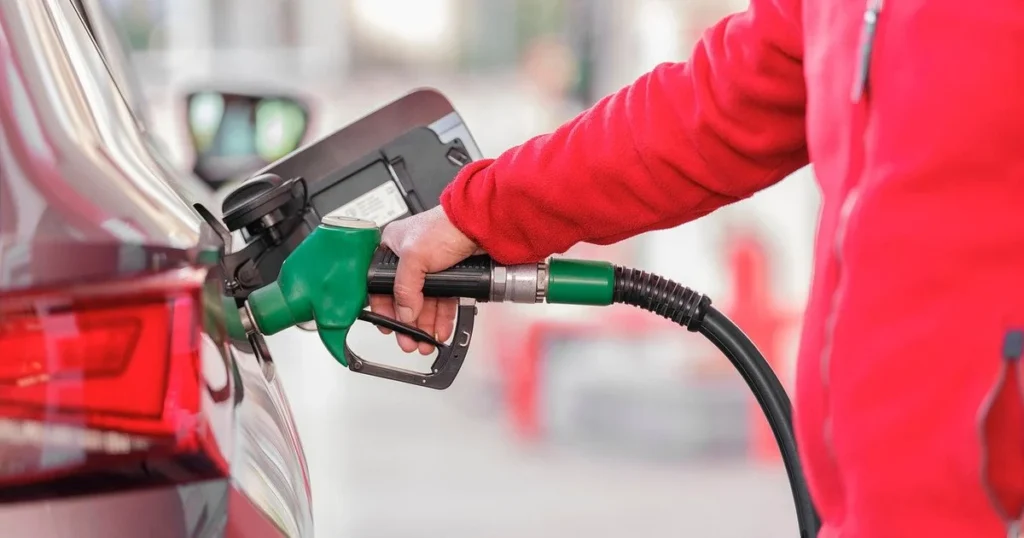
The resumption of mutual shelling between the U.S. and Iran contributed to a rise in global oil and petroleum product prices, which inevitably affected retail prices for gasoline and diesel at gas stations in Europe and the U.S. This is reported by "Komersant Ukrainian", citing Enkorr.
Price increases at gas stations across various countries varied throughout July, as some nations had implemented measures to curb prices in the spring. However, once the anti-crisis programs expired—which in many cases happened at the end of June—prices dealt a heavy blow to Europeans’ wallets.
Watch us on YouTube: important topics – without censorship
Germany saw the sharpest price increases in July. Compared to June 26, diesel at German gas stations rose by €0.42/liter (21.8 UAH/liter) to €2.161/liter, while gasoline rose by €0.32/liter (16.4 UAH/liter) to €2.136/liter. As a reminder, from May 1 to June 30, the German government reduced the fuel tax by €0.17/liter, which was reinstated in July along with rising prices on the global market.
Retail prices in Poland followed a similar upward trend. In mid-June, the Polish government abolished the preferential excise tax, and on July 1, it reinstated the standard 23% VAT rate. The result was immediate—in the first three weeks of July, diesel prices soared by 1.68 PLN/liter (19.8 UAH/liter) to 7.62 PLN/liter, while gasoline rose by 1.39 PLN/liter (15.9 UAH/liter) to 7.21 PLN/liter.
In France, diesel prices rose by only €0.23/liter (12 UAH/liter) over the past four weeks, reaching €2.134/liter, while gasoline at the pump rose by €0.13/liter (6.7 UAH/liter) and cost an average of €2.023/liter on July 23. Unlike Germany and Poland, the French did not lower taxes but limited themselves to setting price caps and providing targeted subsidies. Faced with a new surge in petroleum product prices, TotalEnergies reinstated price caps at all its gas stations in mainland France starting July 23. Gasoline will no longer exceed 1.99 euros per liter, while diesel fuel will be capped at 2.25 euros per liter. It is noteworthy that the same price caps were in effect at the French energy giant’s gas stations until June 30.
Prices at gas stations in Ukraine and the United Kingdom moved almost in lockstep in July. It is known that the Ukrainian government did not use any tax measures to curb prices, while the British government made purely cosmetic adjustments. Starting June 15, the British government additionally and temporarily reduced the preferential fuel duty rate by 3.7 pence per liter (2.2 UAH/L) for diesel fuel to ease the financial burden on farmers, the construction sector, and commercial logistics companies. As a result, diesel prices in Ukraine rose by 6.1 UAH/liter between June 26 and July 23, reaching 83 UAH/liter, while in the United Kingdom, they rose by 7 pence (5.6 UAH/liter) to £1.718/liter. Gasoline prices at Ukrainian gas stations rose by an average of 4.4 UAH/liter, to 79.03 UAH, while at British stations they rose by 5 pence (4 UAH/liter), to £1.553/liter.
Fuel prices in the United States, which had moved in tandem with Ukrainian prices during the spring price rally, rose only modestly in July. It is likely that American retailers heeded Trump’s calls to lower gasoline prices or decided to cap prices during the World Cup. Over four weeks, the average price of diesel in the U.S. rose by 30.2 cents per gallon (3.4 UAH), while gasoline prices rose by only 7.3 cents per gallon (0.7 UAH per liter).
Compared to other countries, Romania stands out as an island of stability. Over the past four weeks, price fluctuations there have been minimal. Since June 26, gasoline at Romanian gas stations has risen by only 7 bani (0.8 UAH/liter), to 8.72 lei/liter, while diesel prices have actually fallen by 8 bani (-0.6 UAH/liter). However, during the June drop in oil prices, retail prices at gas stations showed virtually no reaction, so Romania is seeing July pass without any significant upheavals.
Given the current situation in the Middle East, it is safe to say that there is still room for retail prices at European gas stations to rise. Therefore, some countries will likely dust off their anti-crisis measures, which haven’t had time to gather dust since June.
Read us on Telegram: important topics – without censorship