The Central Bank of the Russian Federation Cut Its Key Rate to 14.25% Per Year: Details
19 June 18:04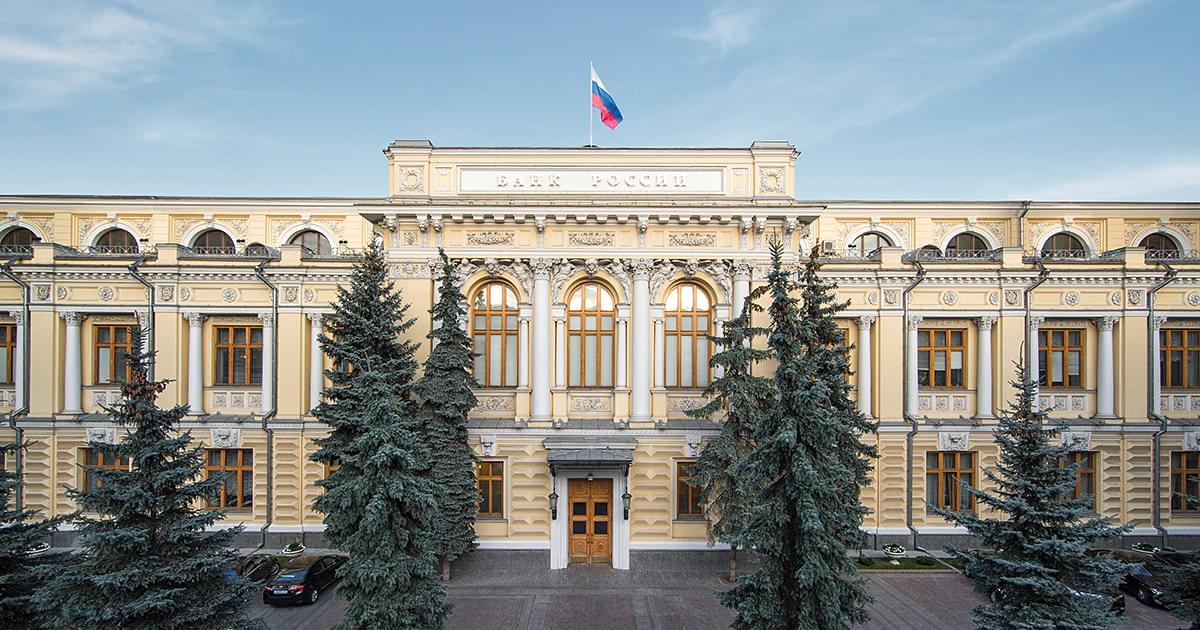
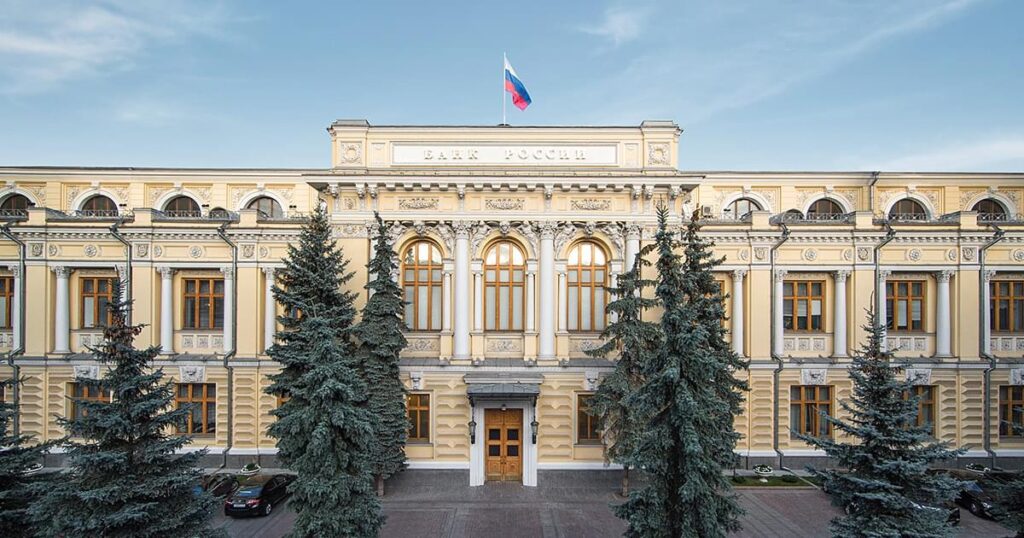
The Central Bank of the Russian Federation lowered its key rate from 14.5% to 14.25%. This marks the ninth consecutive rate cut, as the Central Bank has been easing its policy for over a year, since June 2025. The message remains unchanged: the Central Bank “will assess the advisability of further lowering the key rate at its upcoming meetings” depending on the sustainability of the slowdown in inflation, inflation expectations, and domestic factors, reports "Komersant Ukrainian", citing Russian propaganda media.
The Central Bank’s decision came as a surprise: most analysts had expected the rate to be cut to 14%, as the Central Bank had done on the previous five occasions. Moreover, pressure on the Central Bank has recently intensified, with demands to lower the rate more quickly before the economy, in the words of RSPP head Alexander Shokhin, “freezes completely.” “I think we have every right to expect a cut in the key rate,” Russian dictator Vladimir Putin said in early June.
Watch us on YouTube: important topics – without censorship
Ahead of today’s meeting, Central Bank Chair Elvira Nabiullina had not appeared in public for nearly a month, even skipping the St. Petersburg International Economic Forum (SPIEF), which sparked a wave of rumors about her resignation. The market was waiting to see what she would bring to the table. This meeting, which “seemed like a formality,” unexpectedly turned out to be very important, economist Yegor Susin emphasized.
The Central Bank explained its decision by citing budgetary risks. Following a downturn at the beginning of the year, the economy continues to grow, albeit at “moderate rates,” and inflation has slowed, with sustained price growth declining slightly. However, fiscal policy for the next three years “will be more stimulative than previously expected,” which may require a higher trajectory for the key rate than the Central Bank had anticipated.
Nabiullina described the budget and lending as interrelated concepts: if the budget increases spending and the deficit, the Central Bank has to curb lending, meaning a higher interest rate is needed. At the St. Petersburg International Economic Forum (SPIEF), Putin warned that the deficit would be larger than planned, and Finance Minister Anton Siluanov stated that achieving a primary structural budget balance would be postponed by three years, until 2029. The Central Bank notes that its baseline scenario had assumed that fiscal policy would help slow inflation, but now it may actually slow inflation.
The signal remains unchanged, but the pace of monetary policy normalization is becoming more cautious, Susin comments. Analysts at “KIT Cyfra Broker” believe the Central Bank will now lower rates more slowly, calling the Central Bank’s decision a “negative surprise.” “I think we’ll be living with a double-digit rate next year as well, and we can forget about the 8–10% forecast for 2027,” writes investment banker Yevgen Kogan. “Sooner than I expected,” comments RESH professor Oleg Shibanov on the shift to a 25-basis-point move. Such a move is typical of a “fine-tuning” regime, when the key rate is significantly lower than the current one, noted analysts at “Tverdyi Tsifry.” With the new pace of 25–50 bps per meeting, we will most likely see a 13% rate in December, according to Anton Tabakh, chief economist at “Expert RA.”
The Central Bank continues to see mainly pro-inflationary risks. Chronic risks include high inflation expectations, wages that continue to grow faster than labor productivity, and a deterioration in the global economic outlook—the regulator has added, in addition to the budget, a decline in gasoline and diesel production due to Ukrainian drone attacks on refineries.
The Central Bank continues to see only one disinflationary risk: a sharp slowdown in domestic demand.
Read us on Telegram: important topics – without censorship