Oil prices are rising again: what’s behind the surge in the price of “black gold”
15 May 10:14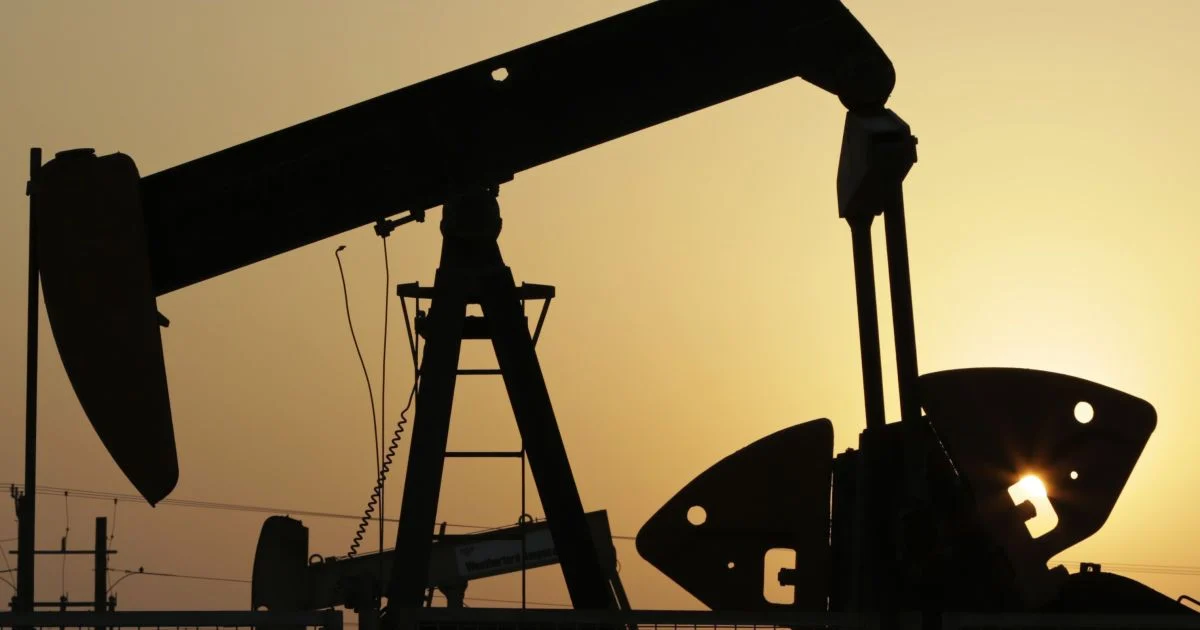
Oil prices are rising on the morning of Friday, May 15, following new statements by U.S. President Donald Trump regarding the situation in the Middle East. This is reported by "Komersant Ukrainian", citing Interfax-Ukraine.
July Brent futures on the London ICE Futures exchange were trading at $107.03 per barrel as of 8:13 a.m., up $1.31 (1.24%) from the previous session’s close. On Thursday, this contract rose by 9 cents (0.1%) to $105.72 per barrel.
Watch us on YouTube: important topics – without censorship
WTI crude oil futures for June delivery on the New York Mercantile Exchange (NYMEX) have risen by $1.42 (1.4%) to $102.59 per barrel so far today. At the close of the previous session, their price had increased by $0.15 (0.15%) to $101.17 per barrel.
READ ALSO: Oil Prices Rise on Global Markets: Key Factors
Trump said in an interview with Fox News that he is losing patience with Iran.
“They need to make a deal,” the president added.
He also said that China, which receives a significant share of its oil imports from Iran, is ready to consider the idea of purchasing oil from the United States.
“They have an insatiable appetite for energy, and we have unlimited energy reserves,” the president noted.
Trump is visiting China from May 13 to 15. According to him, Washington and Beijing managed to conclude several significant trade agreements during the visit.
“It was an incredible visit. I think it brought a lot of good things. We concluded several fantastic trade deals that are beneficial to both countries,” Trump said during an event with Chinese leader Xi Jinping at the Zhongnanhai compound in Beijing.
According to Trump, the U.S. and China are “very similar” in their desire to end the conflict surrounding Iran.
“The Beijing summit did not yield a breakthrough on Iran, and market attention has once again turned to the blockade of the Strait of Hormuz and the risks of military escalation,” noted Vandana Hari, founder of the analytical firm Vanda Insights.
As a reminder, the blockade of the Strait of Hormuz, caused by the war in the Middle East, has serious consequences for the global economy, particularly for the agricultural sector. The halt in traffic through this strategic sea route has led to a fertilizer shortage, which, in turn, has caused prices to rise for major agricultural crops such as wheat, corn, and soybeans.
Read us on Telegram: important topics – without censorship