Ukraine has repatriated 205 servicemen from captivity: the first phase of the “1,000 for 1,000” prisoner exchange has begun
15 May 12:08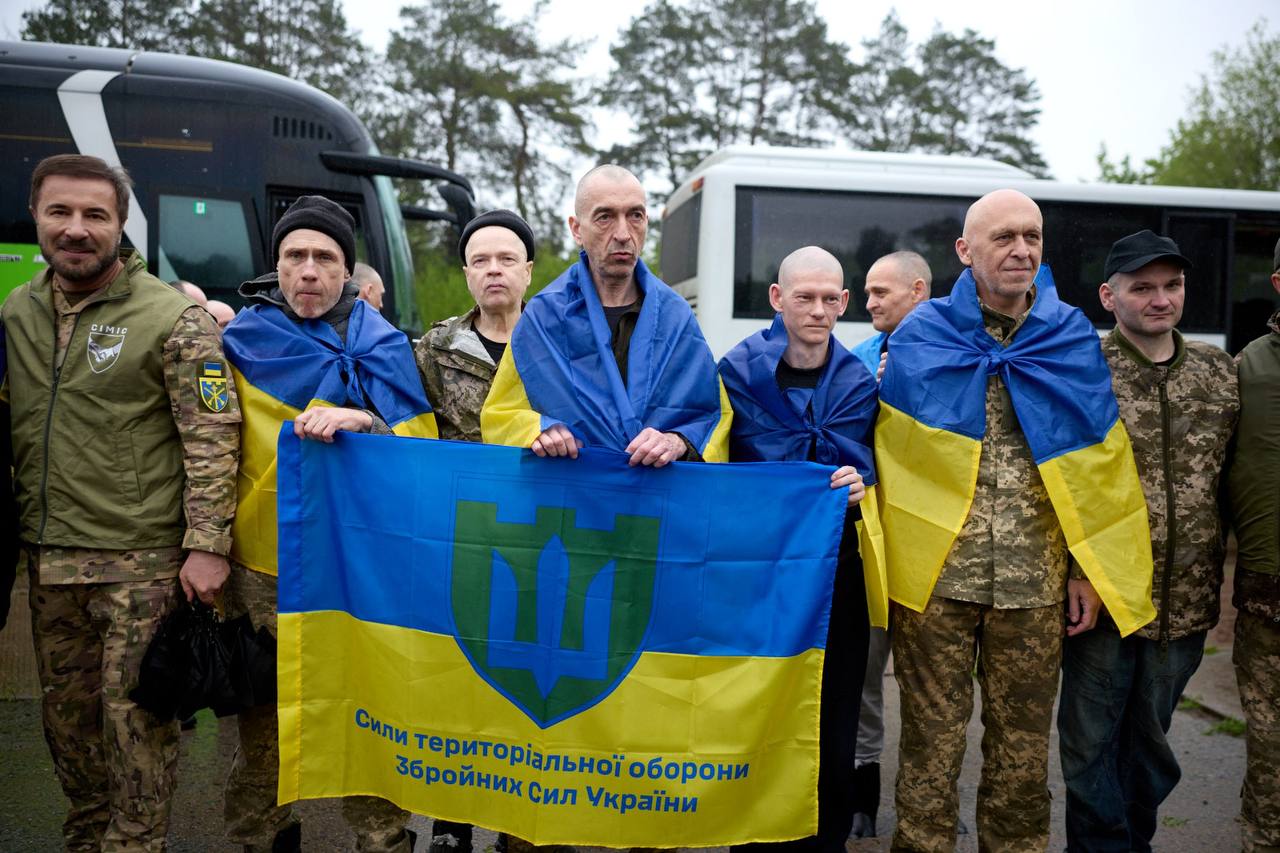
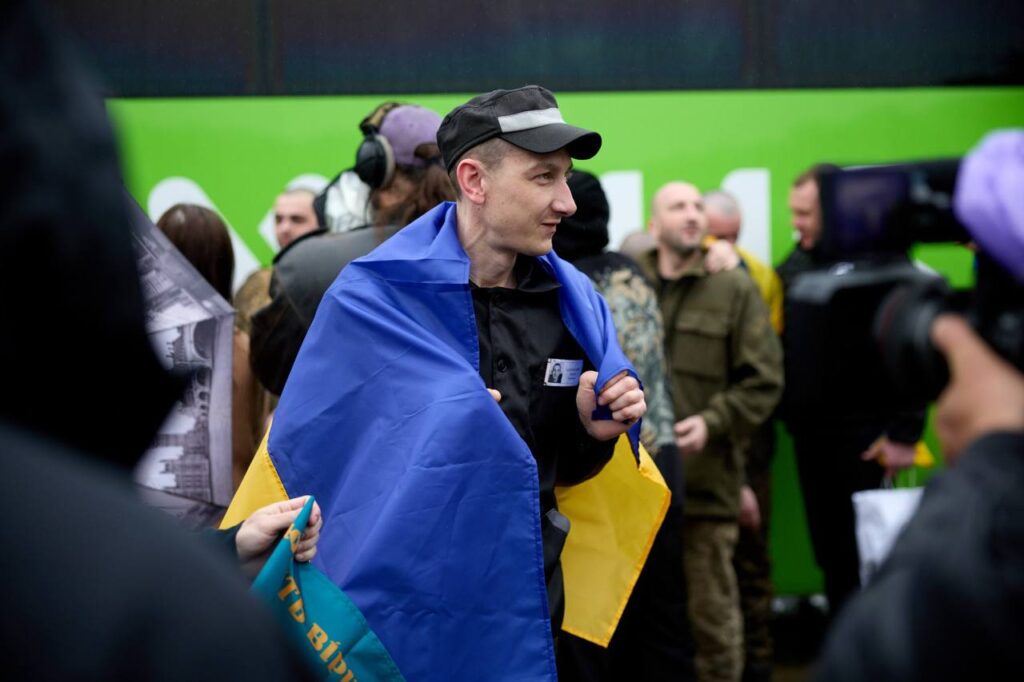
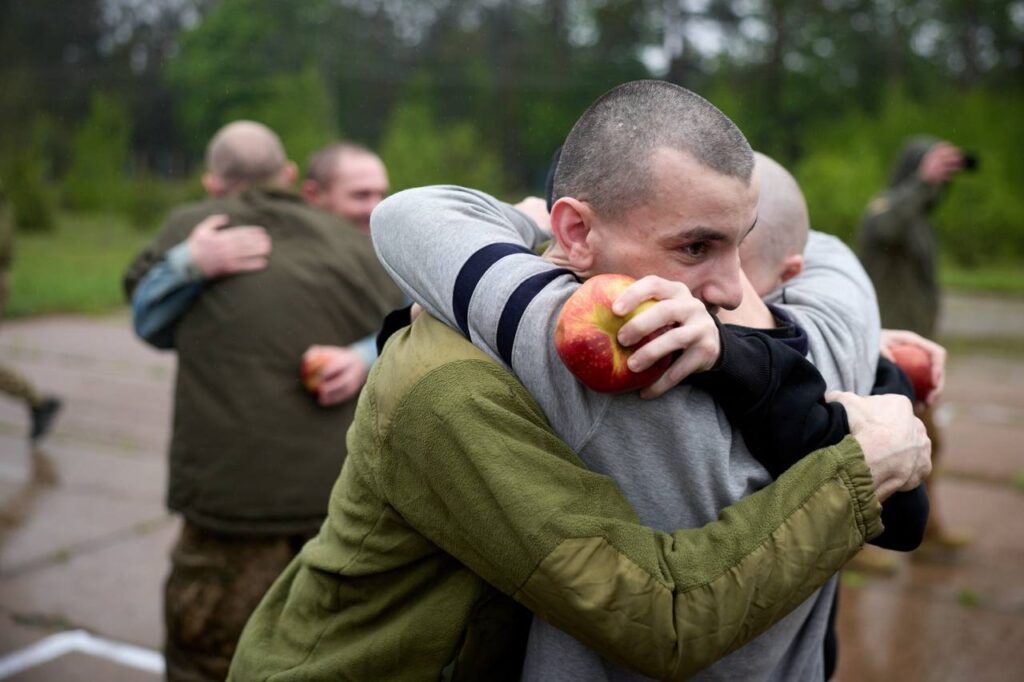
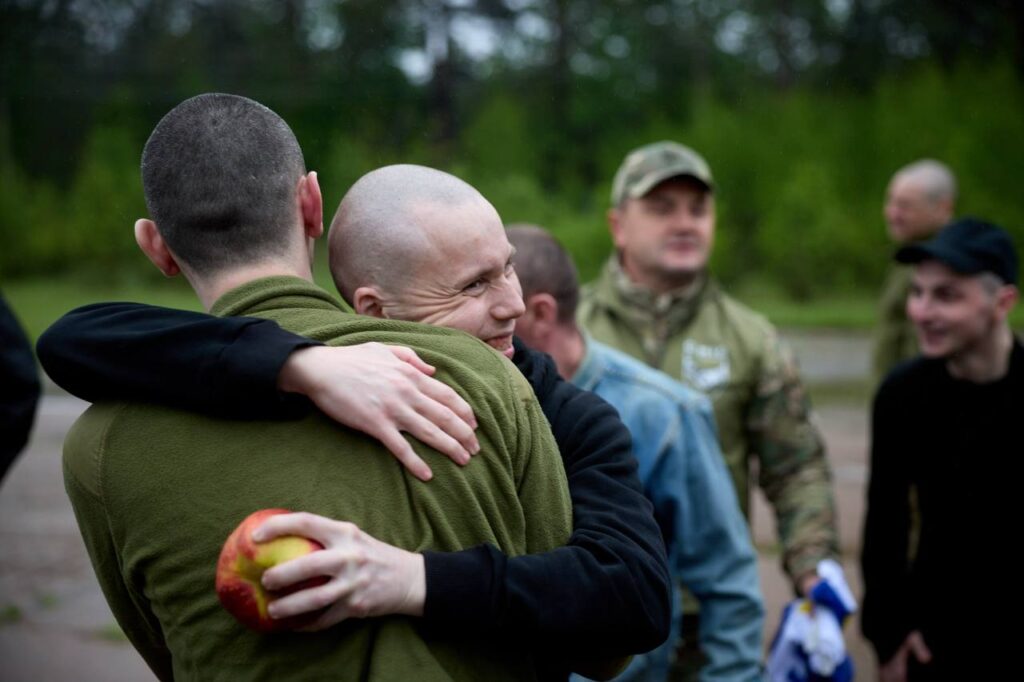
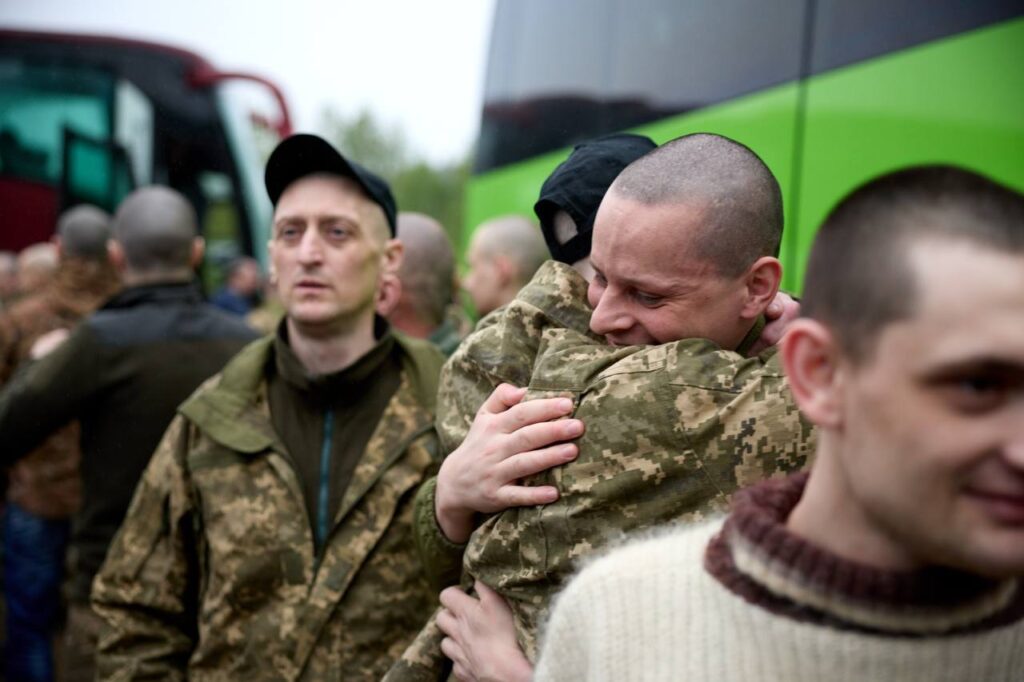
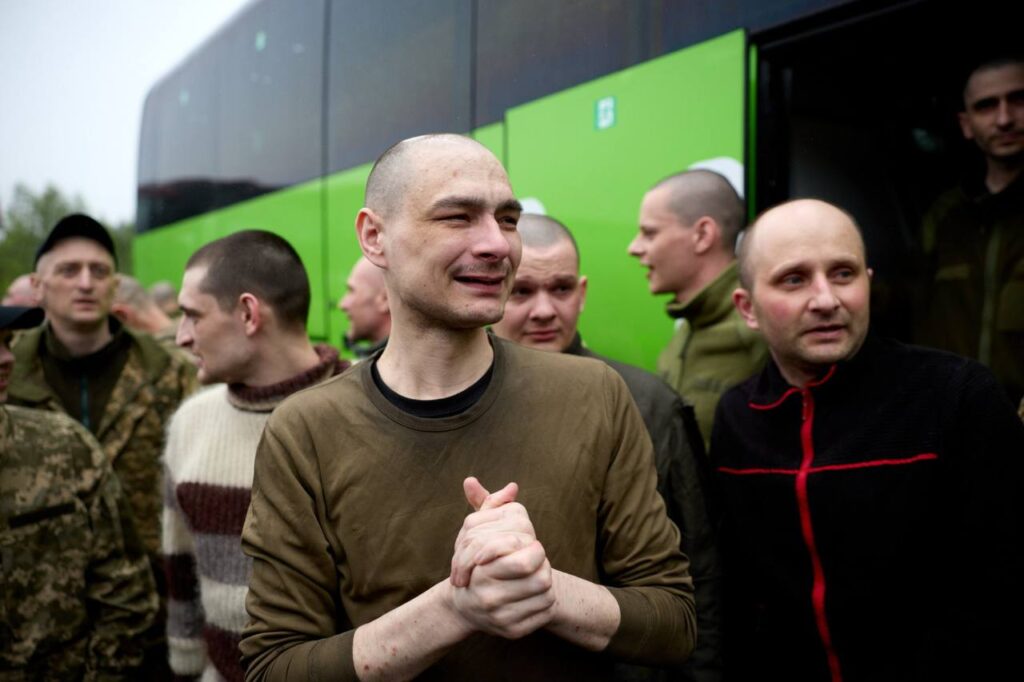
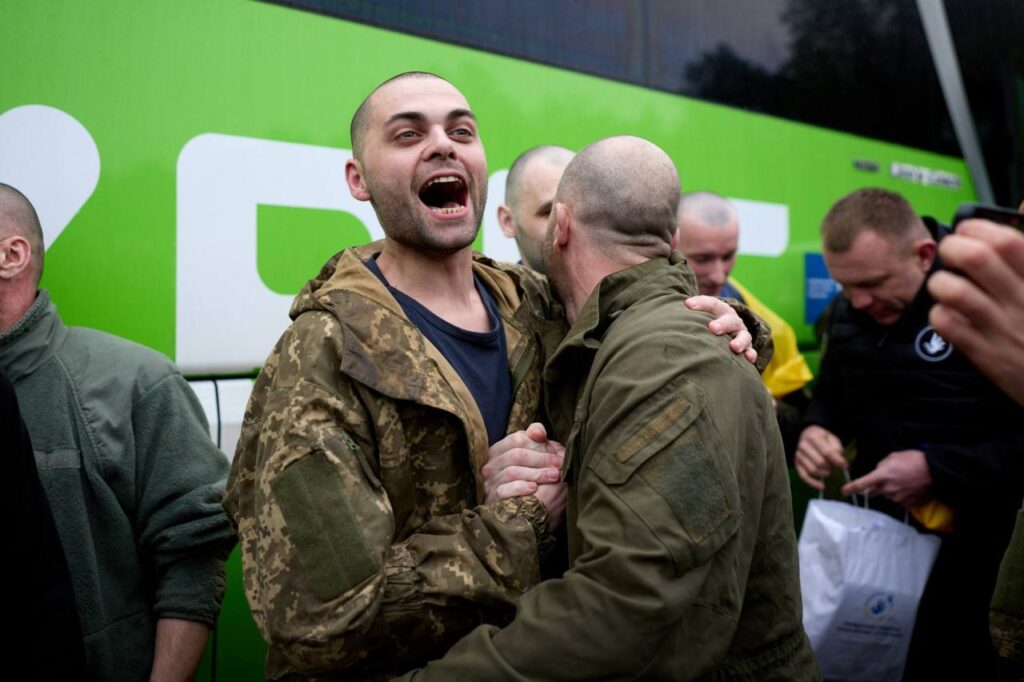
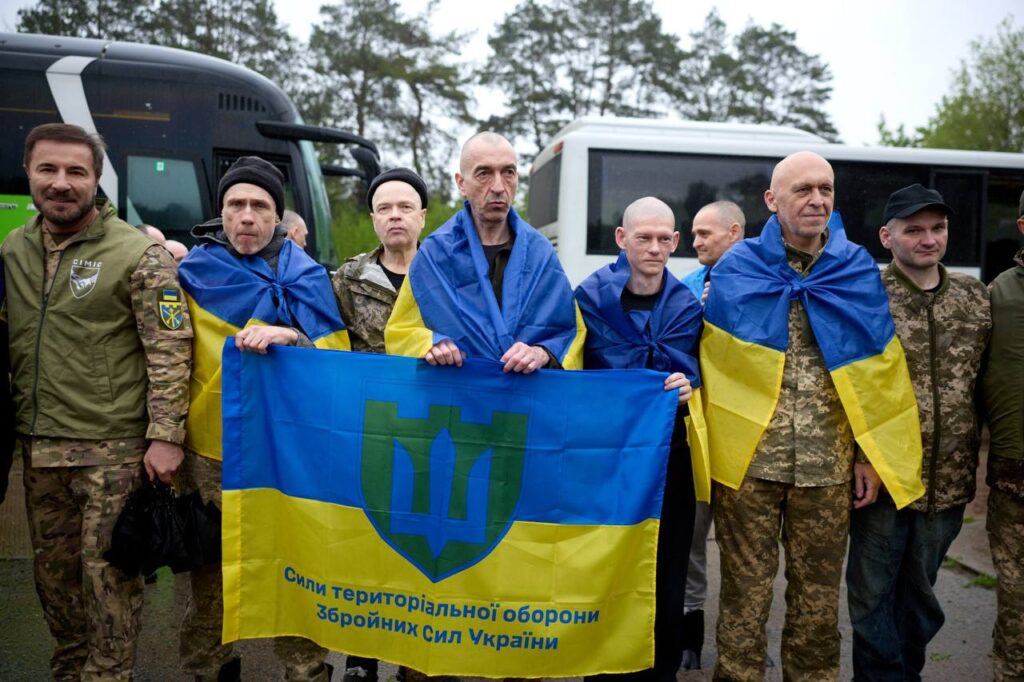
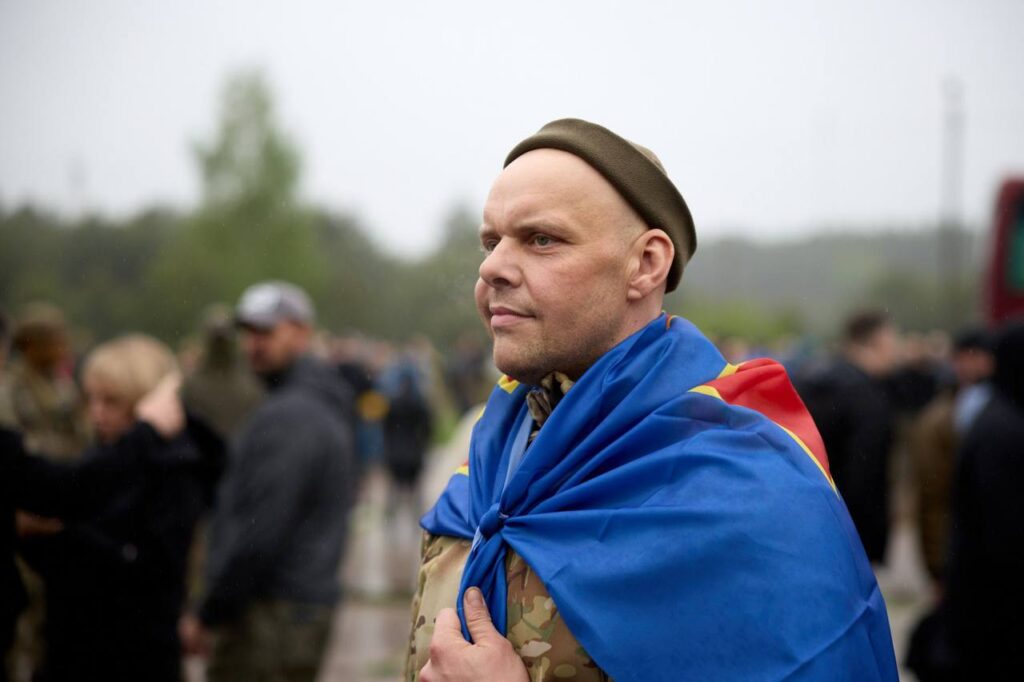
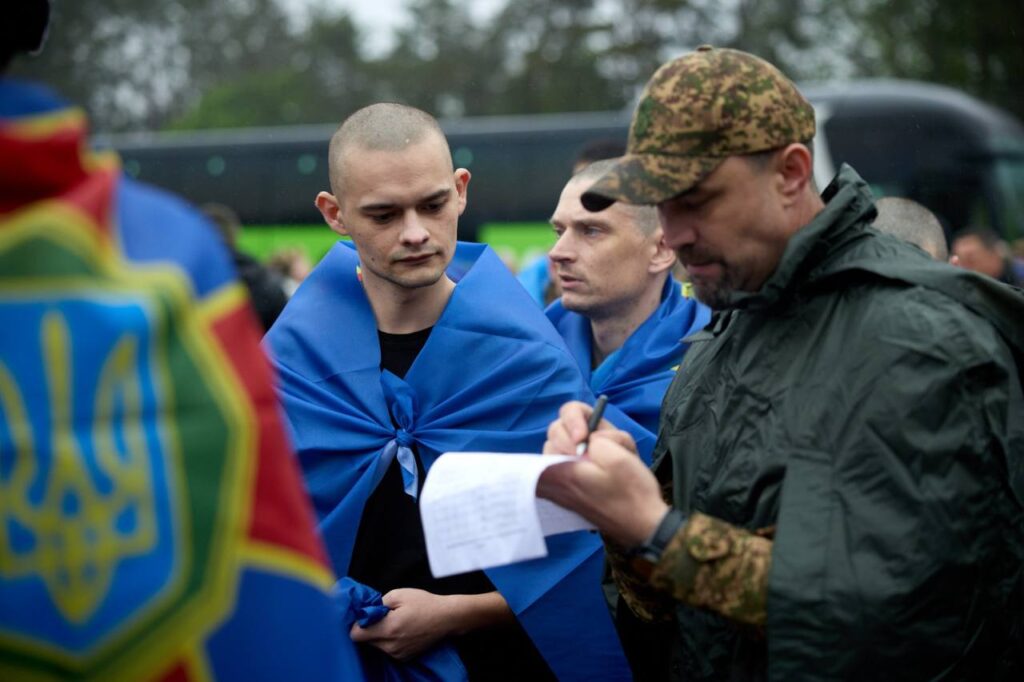
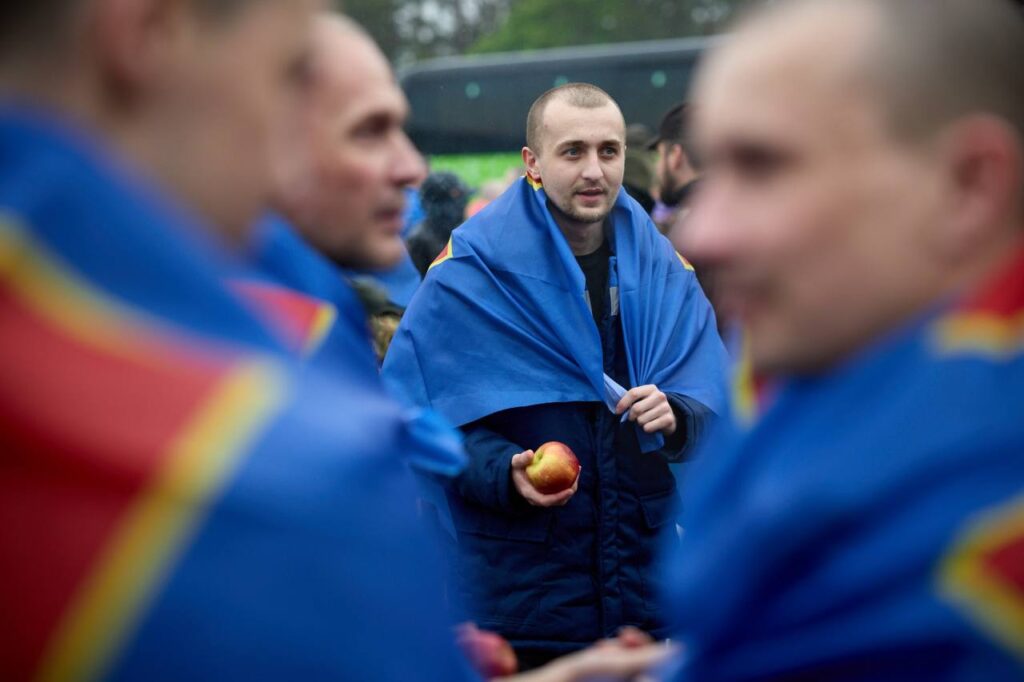
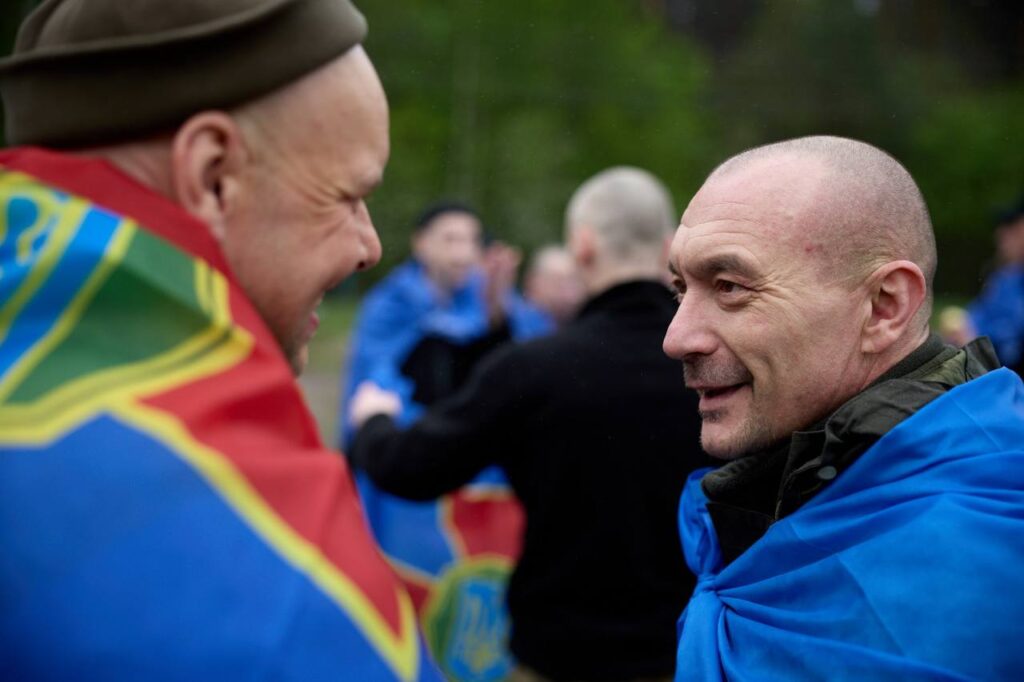
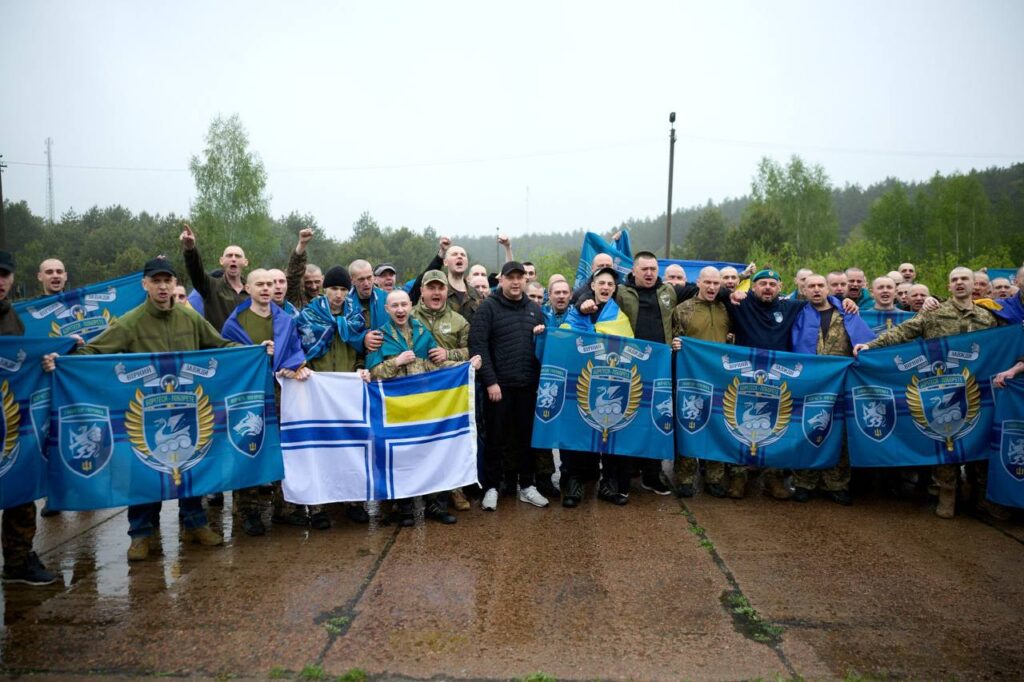
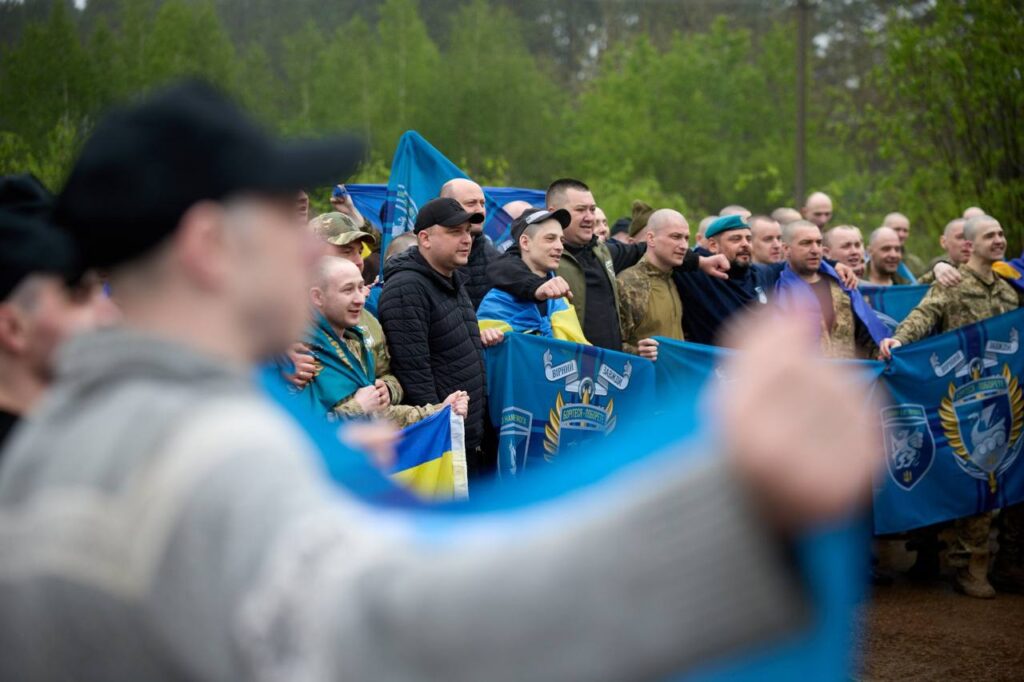
On Friday, May 15, Ukraine repatriated 205 servicemen from Russian captivity. This is the first stage of a large-scale “1,000 for 1,000” prisoner exchange previously agreed upon with U.S. mediation. This was reported by President Volodymyr Zelenskyy and the Coordination Headquarters for the Treatment of Prisoners of War, according to "Komersant Ukrainian"
Among those released are soldiers from the Armed Forces of Ukraine, the National Guard, and the State Border Guard Service.
Who has returned from captivity
According to Volodymyr Zelenskyy, Ukrainian soldiers who served in the Armed Forces of Ukraine, the National Guard, and the State Border Guard Service are returning home.
“Today, soldiers from the Armed Forces of Ukraine, the National Guard, and the State Border Guard Service are returning from Russian captivity. This is the first stage of the 1,000-for-1,000 exchange,” the head of state said.
Among those released are:
- privates;
- sergeants;
- officers;
- service members from various branches of the military;
- defenders of Mariupol and Azovstal;
- defenders who fought on several fronts.
Most of those released had been held captive by Russia since 2022. According to Ombudsman Dmytro Lubinets, 95% of those returned are soldiers who were captured in 2022.
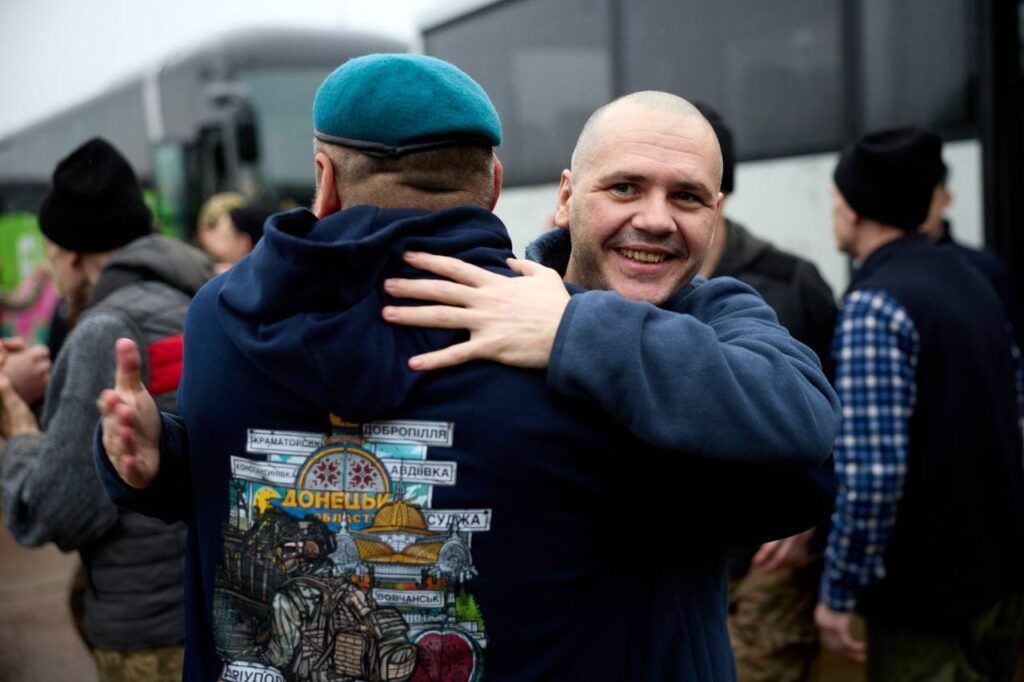
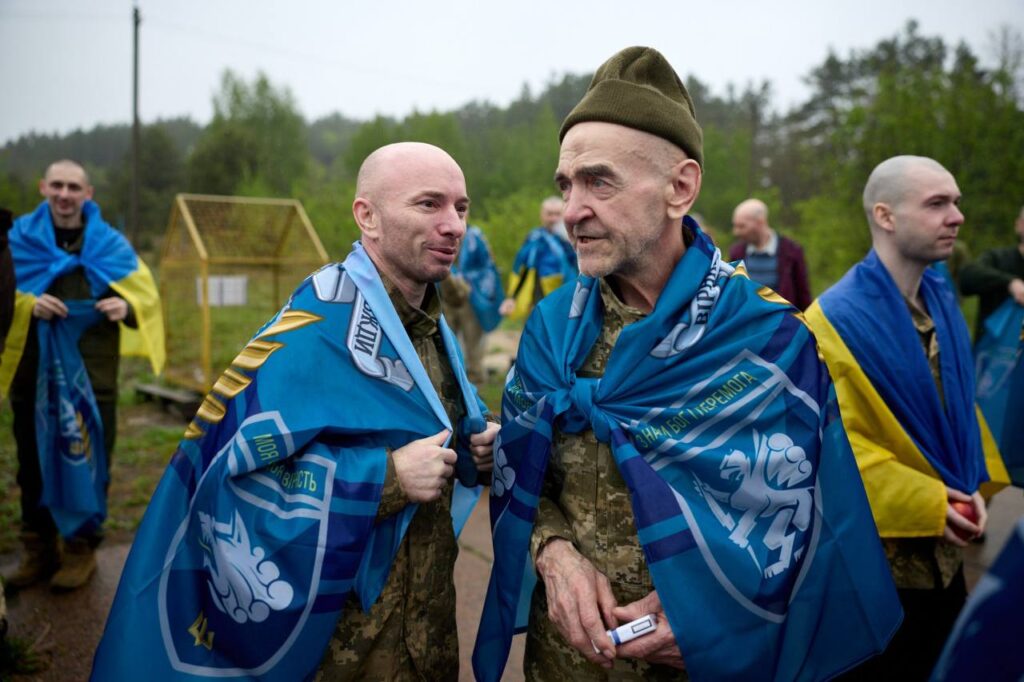
20 Azov fighters have returned
Brigadier General Denys “Redis” Prokopenko reported that among those released are 20 fighters from the 1st Corps of the National Guard of Ukraine “Azov.” Of these , 19 are defenders of Mariupol.
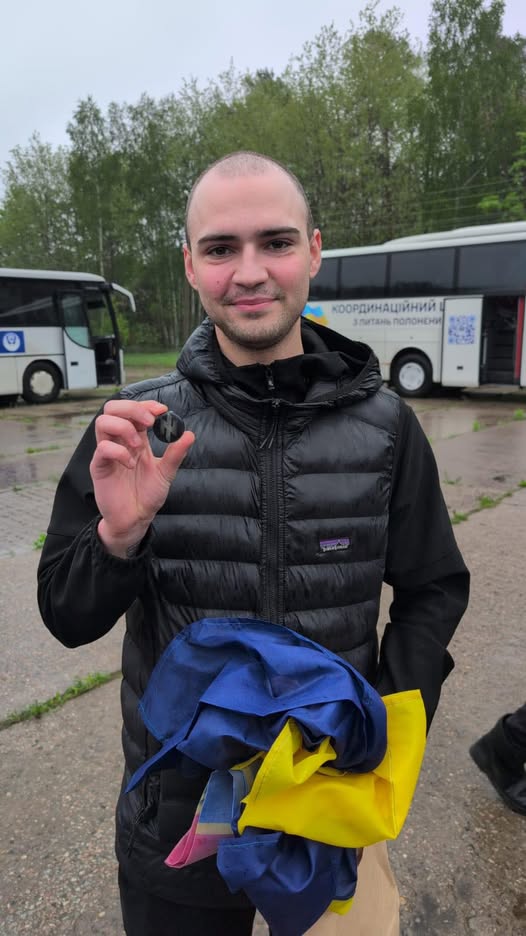
The Coordination Headquarters noted that the length of captivity is the key criterion for compiling the lists for the “1,000 for 1,000” exchange.
Watch us on YouTube: important topics – without censorship
Where the released defenders fought
Among those returned are Ukrainians who defended the country in various sectors and at various facilities.
Specifically, they fought:
- in Mariupol;
- at Azovstal;
- on the Donetsk front;
- on the Luhansk front;
- in the Kharkiv sector;
- in the Kherson sector;
- in the Zaporizhzhia sector;
- in the Sumy sector;
- in the Kyiv sector;
- at the Chernobyl Nuclear Power Plant.
Among those released is a National Guard soldier who was taken prisoner at the Chernobyl Nuclear Power Plant.
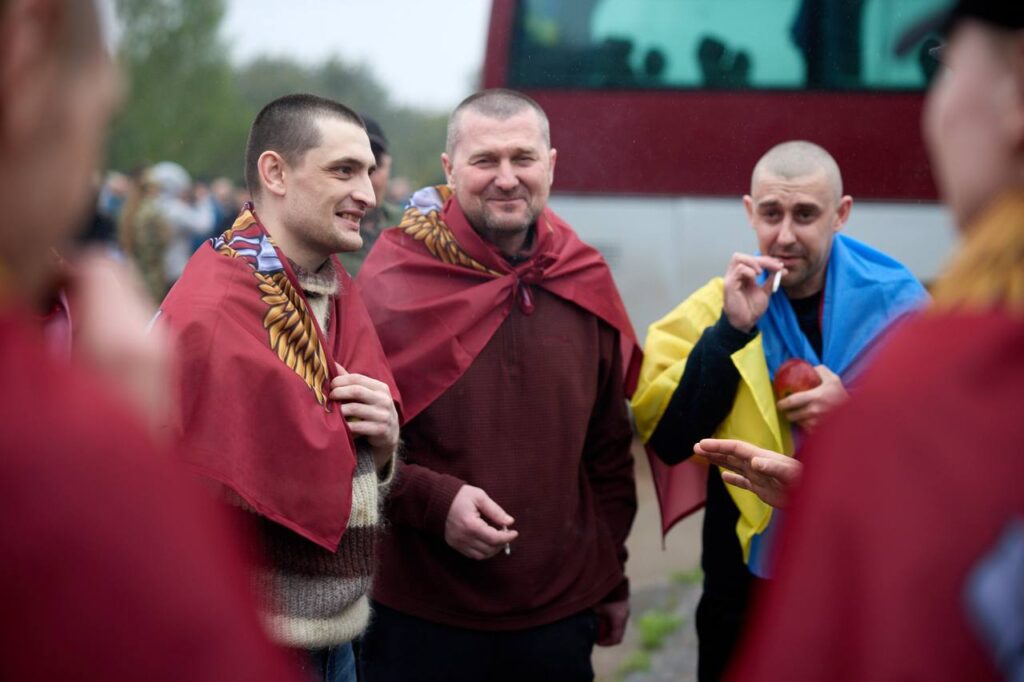
More than fifty officers have returned home
As part of the first phase of the exchange, not only soldiers and sergeants but also more than fifty officers were returned.
The youngest released servicemember is 21 years old, and the oldest is 62.
According to the ombudsman, some of the servicemen returned with severe consequences of captivity and injuries and require long-term rehabilitation.
What happens after their return
The released defenders will be sent to medical centers. There, they will undergo:
- necessary examinations;
- treatment;
- medical rehabilitation;
- psychological support;
- document restoration;
- processing of appropriate payments.
The Coordination Headquarters emphasized that all those released will receive the necessary assistance upon their return from captivity.
The U.S. and the UAE assisted with the exchange
The Coordination Headquarters thanked the United States and the United Arab Emirates for their mediation and assistance in organizing the exchange.
Earlier, Ukraine provided the Russian side with a list of 1,000 prisoners for the upcoming exchange. The Coordination Headquarters explained that the list was compiled based on the length of time spent in captivity.
This is only the first stage of the exchange
The exchange on May 15 marked the first stage of the “1,000 for 1,000” agreement . The Coordination Headquarters reported that work on the next stages is ongoing.
The implementation of other previous agreements regarding the return of Ukrainians from Russian captivity is also continuing.
How this relates to the May 9–11 ceasefire
On May 8, U.S. President Donald Trump announced an agreement on a three-day ceasefire between Ukraine and Russia. According to him, the ceasefire was to be in effect on May 9, 10, and 11 and include a prisoner of war exchange in a 1,000-for-1,000 format.
Ukrainian President Volodymyr Zelenskyy confirmed that, as part of the negotiation process mediated by the U.S., Ukraine had secured Russia’s agreement to a prisoner-of-war exchange on a 1,000-for-1,000 basis.
Read us on Telegram: important topics – without censorship