A technological dead end: an aviation expert discusses an important detail regarding the much-hyped “Sarmat”
15 May 11:06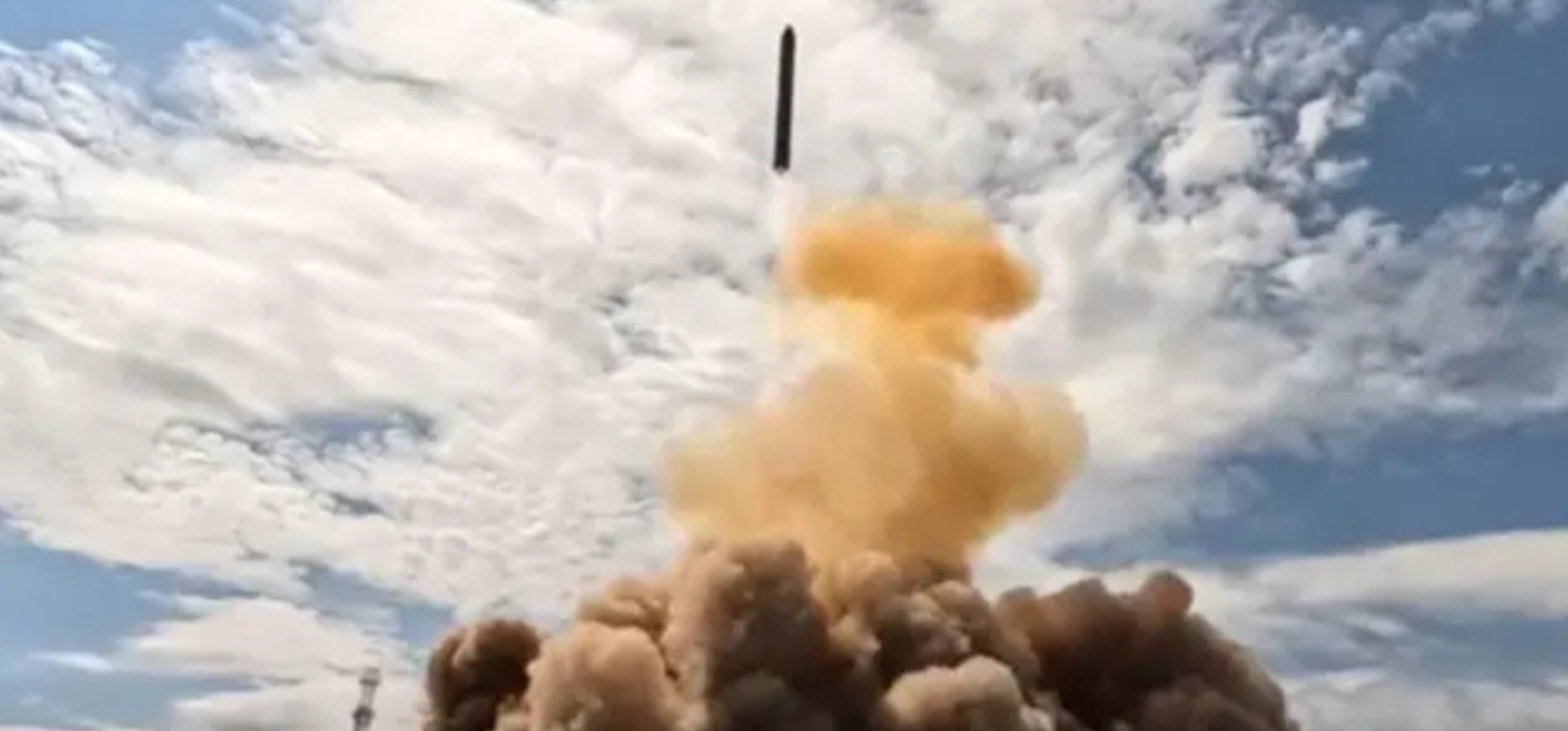 ANALYSIS
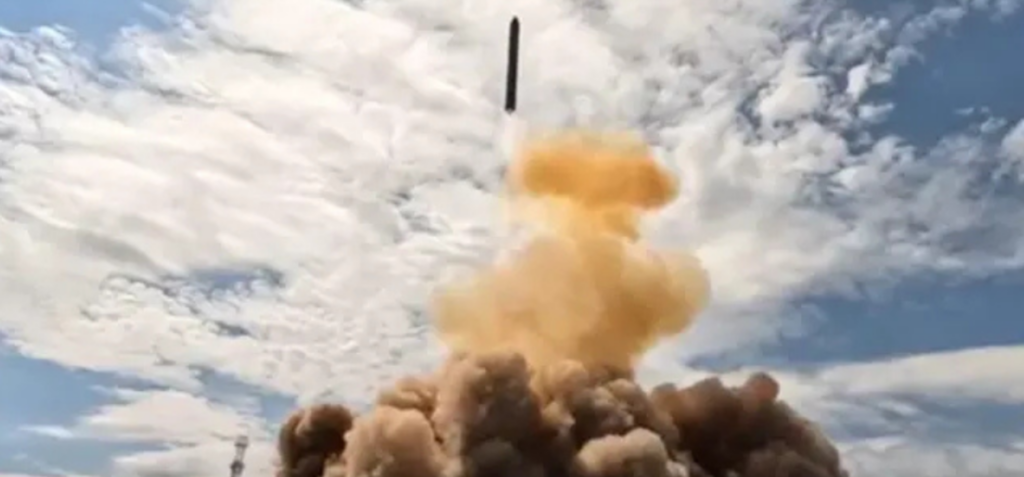
Russian propaganda is once again abuzz with triumphant reports about the test of the “Sarmat” intercontinental ballistic missile, which the West calls “Satan-2.” Figures are circulating online claiming a yield of “two thousand Hiroshimas” and the ability to wipe entire continents off the face of the earth. However, behind the facade of grandiose videos lies a reality that aviation expert Konstantin Kryvolap described in a comment for
Konstantin Kryvolap is skeptical of the Kremlin’s claims about the success of the tests. The expert emphasizes the lack of independent confirmation:
“Where did the report come from? Did the Americans do it, or did our intelligence do it? No, these agencies are silent. Putin said, ‘We launched it,’ because that’s what the General Staff reported to him. And the General Staff wouldn’t report anything like that—after all, they’ve ‘taken’ our great Tokmachka 25 times. It’s already become a meme,” Kryvolap notes.
According to the expert, the “Sarmat” missile is technically and engineering-wise far too complex to actually be put into service.
He believes that the Russians need such large-scale projects primarily “so that they can steal a large amount of money.”
The technical side: 200 tons of metal and launch problems
The main challenge for the “Sarmat” developers remains the launch itself.
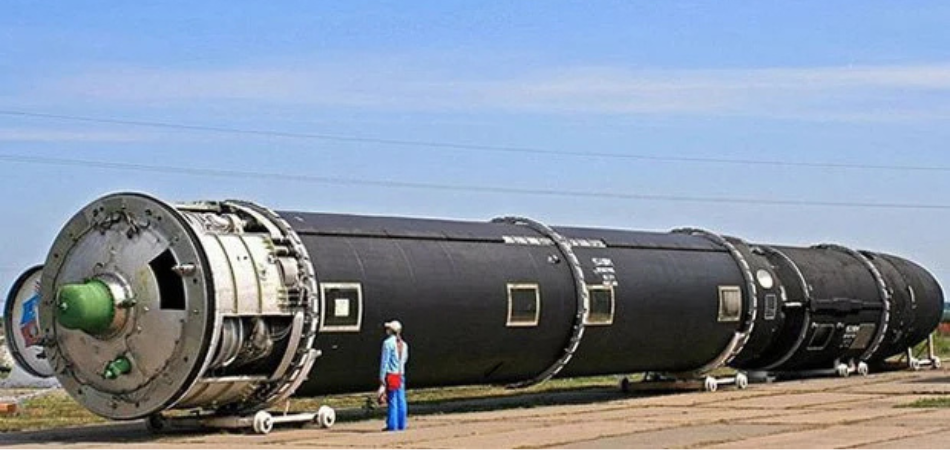
Kryvolap explains that due to the rocket’s enormous weight (about 200 tons), the Russians are forced to use complex engineering solutions that often fail:
- Silo launch: Instead of a conventional silo, a so-called “silo” with a pneumatic launch system is used. The expert emphasizes the difficulty of creating an air cushion designed to propel the rocket before the engine ignites.
- Explosion risks.
Kryvolap recalls previous failures.
“When they fired the engine earlier, it simply blew the entire silo to smithereens. The Russians themselves say there was a crater 200 meters in diameter,” says Kryvolap.
That is precisely why the expert does not believe in the actual combat capability of this system, calling reports of its successes “propaganda nonsense.”
Nuclear blackmail and the world’s stance
Analyzing the overall strategy of intimidating the West (including the “Sarmat” and “Oreshnik” missiles), Konstantin Kryvolap notes that most serious analysts estimate the probability of Putin using nuclear weapons in 2026 at only 5–10%.
In addition, the expert highlights the geopolitical factors that are holding the Kremlin back.
“Neither China, nor India, nor Pakistan has any interest in Russia using a nuclear bomb. China wants to trade with Europe and build relations with the West, so Putin won’t push himself into even greater isolation. He’s already somewhat isolated, and after that, he’ll become a rat cornered in a trap,” says Kryvolap.
In conclusion, Konstantin Kryvolap emphasizes that despite the growing threats in the media space, the real potential of Putin’s system is declining.
“Russia is deteriorating every day. I’m not a propagandist; I’m analyzing,” the expert concludes.
At the same time, he agrees with the opinion of Maxim Zhorin, deputy commander of the 3rd Assault Brigade: the world must be aware of Russia’s plans, and Putin’s inner circle must understand that every step toward nuclear escalation is being monitored by global intelligence agencies.