Bypassing the Strait of Hormuz: The UAE is building a new oil pipeline
15 May 13:00
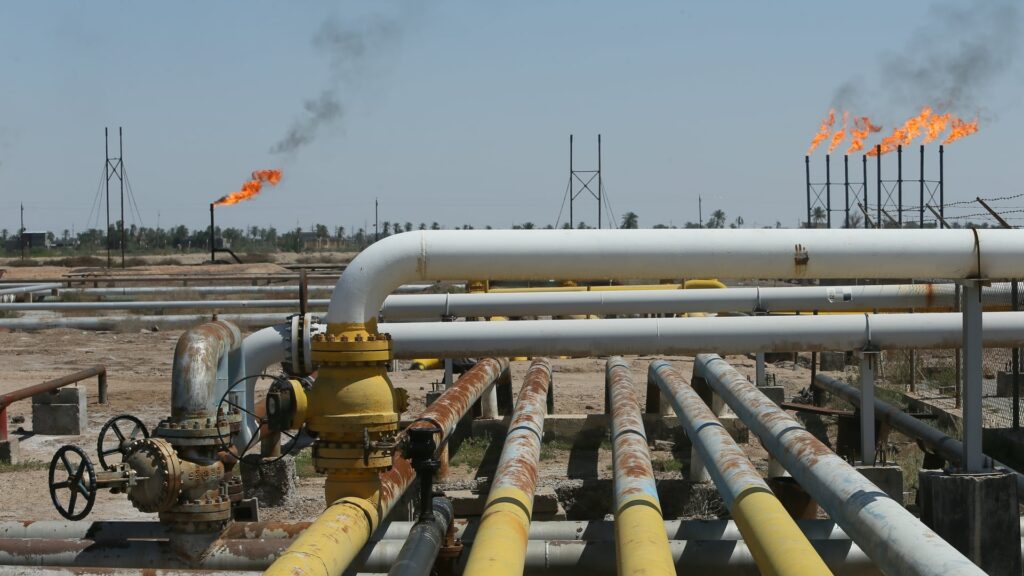
The United Arab Emirates will accelerate construction of a new oil pipeline to double its export capacity via Fujairah by 2027, which will significantly expand the country’s ability to bypass the Strait of Hormuz.
This was reported by Reuters, according to "Komersant Ukrainian".
“During an executive committee meeting, Abu Dhabi Crown Prince Sheikh Khaled bin Mohammed bin Zayed instructed the Abu Dhabi National Oil Company (ADNOC) to accelerate construction of the West-East pipeline project, ADMO reported, adding that the pipeline is under construction and is expected to begin operations in 2027,” the agency reports.
The existing Abu Dhabi Crude Oil Pipeline, also known as the Habshan-Fujairah Pipeline, can transport up to 1.8 million barrels per day. It has become critically important for the country, which seeks to maximize direct exports from the Gulf coast.
The UAE and Saudi Arabia are the only Gulf producers with oil pipelines to export oil bypassing the Strait of Hormuz. Oman has a long coastline on the Gulf of Oman.
The narrow waterway between Iran and Oman was effectively closed by Iran in response to the U.S.-Israeli air and naval campaign that began on February 28. This cut off about one-fifth of global oil supplies, which typically go to Asia and other regions.
Kuwait, Iraq, Qatar, and Bahrain are almost entirely dependent on the strait for their shipments.
Energy prices have surged due to supply disruptions, forcing governments to ration fuel and heightening fears of an economic downturn amid rising inflation.
Watch us on YouTube: important topics – without censorship
An opportunity to reduce supply vulnerability
In April, it was reported that Gulf countries are considering building new pipelines across the Arabian Peninsula to bypass the Strait of Hormuz, which is blocked by Iran.
As reported by the Financial Times, officials and energy industry leaders in the Middle East say that new pipelines may be the only way to reduce the ongoing vulnerability to disruptions in the Strait of Hormuz.
“The current conflict between the U.S., Iran, and Israel has underscored the strategic value of Saudi Arabia’s 1,200-kilometer East-West pipeline. It was built in the 1980s amid fears that a war between Iran and Iraq would lead to the closure of the strait.”
Today, the pipeline is a key artery delivering 7 million barrels of oil per day to the port of Yanbu on the Red Sea, completely bypassing the Strait of Hormuz.
Amin Nasser, CEO of the Saudi state-owned oil giant Aramco, told analysts last month that the pipeline is “the main route we are currently using.”
Oil Pipeline Network
Previous plans for pipelines in the region have repeatedly stalled due to high costs and implementation challenges. But Maisoun Kafaafi, senior program advisor for the Middle East at the Atlantic Council, noted that the mood in the Persian Gulf has now shifted.
Instead of individual projects, the most reliable option “is not a single alternative pipeline, but a network, a web of corridors,” Kafafi noted, though she added that this would also be the most difficult to implement.
In the long term, any new pipelines are likely to become part of trade routes capable of transporting not only oil and gas but also a wider range of goods.
Read us on Telegram: important topics – without censorship