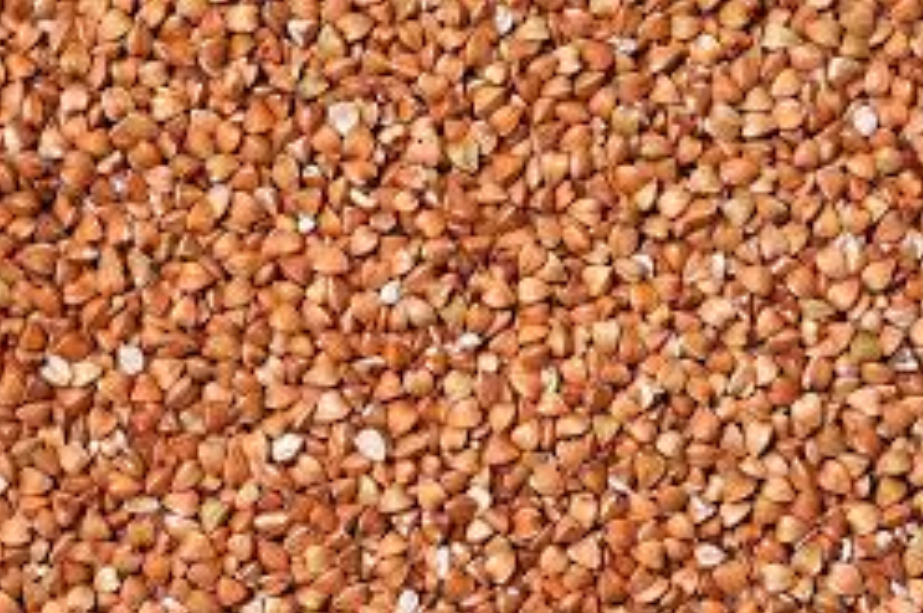
The blockade of the Strait of Hormuz is hitting farmers hard: global grain prices have risen
14 May 17:44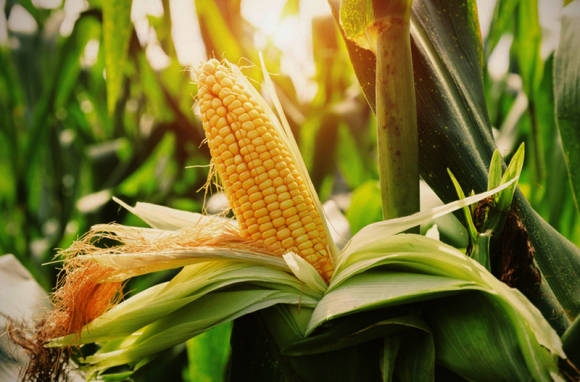
The blockade of the Strait of Hormuz, caused by the war in the Middle East, has serious consequences for the global economy, particularly for the agricultural sector. The halt in traffic through this strategic sea route has led to a fertilizer shortage, which, in turn, has caused prices to rise for major crops such as wheat, corn, and soybeans.
This is reported by the German publication Handelsblatt, as cited by "Komersant Ukrainian".
According to the German publication Handelsblatt, the blockade has led to a significant rise in grain prices. Since the start of the conflict, wheat prices have risen by nearly 10%, corn futures have increased by more than 6%, and soybean prices have risen by approximately 5%.
“Since the outbreak of war in the Middle East, grain prices have risen significantly: wheat has become nearly 10% more expensive, corn futures have risen by more than 6%, and soybeans now cost about 5% more,” the report states.
Impact on global markets
Wheat prices have reached a two-year high, while corn has risen to its highest level in the past year. The Food and Agriculture Organization of the United Nations (FAO) Food Commodity Price Index has hit a three-year peak
“Experts cite an acute shortage of fertilizers, caused by the blockage of a strategic sea route, as the main factor behind the price increases. Experts warn that the current rise in the cost of agricultural commodities may be only the beginning of a longer-lasting crisis in the global food market,” the publication writes.
Earlier, the International Energy Agency (IEA) warned that global oil reserves are shrinking at a record pace, and disruptions caused by the war in Iran threaten a further spike in prices.
As a reminder, in the first quarter of 2026, Ukraine exported 15.5 million tons of agricultural products worth a total of $6.3 billion.
Read us on Telegram: important topics – without censorship
Where does Ukraine export the most?
The export geography remains stable: EU countries accounted for 49% of shipments, the MENA region (Middle East and North Africa) – 20%, Turkey – 12%, and other countries – 18%.
At the same time, Turkey has significantly strengthened its position: its share rose from 9% to 12%, and the value of exports increased by $242 million, according to the ministry’s data.
It is reported that the export structure remains concentrated: the top 5 product categories accounted for 68% of revenue, and the top 10 for 81%. Corn, sunflower oil, and wheat remain the leaders.
Watch us on YouTube: important topics – without censorship