Ukraine Has Increased Its Exports of Dairy Products: Which Products Are the Most Popular?
5 July 06:18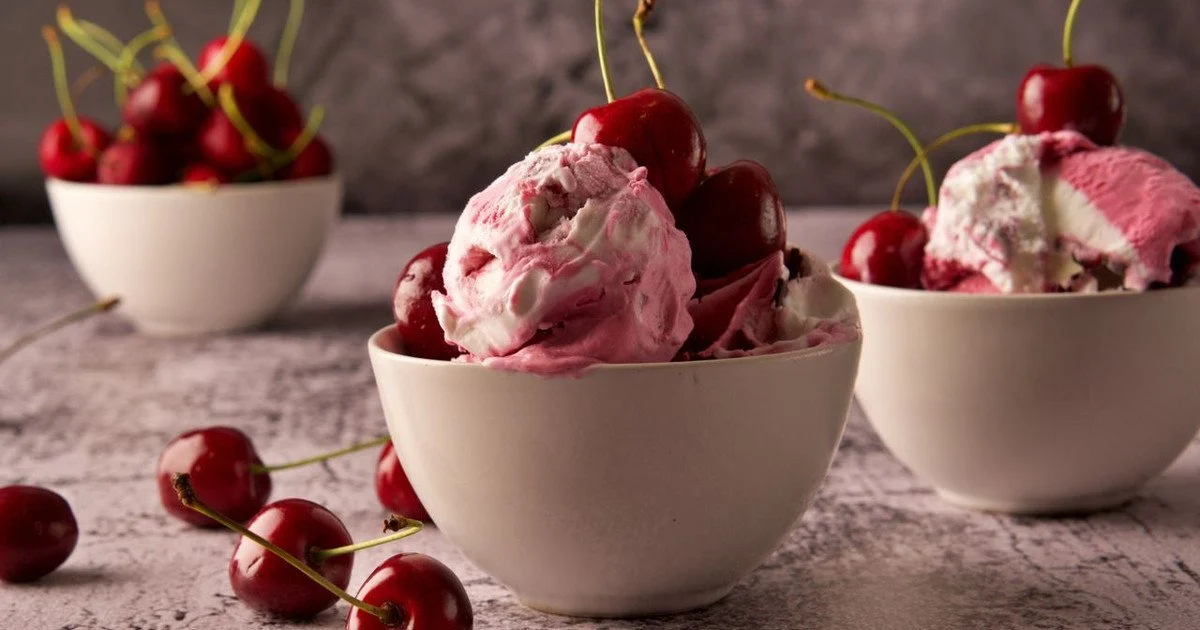
The key challenge for the Ukrainian dairy industry is to transition from exporting raw materials to exporting high-value-added products. Without investments in value-added processing and modern technologies, Ukraine risks losing its competitive advantages and ceding ground to foreign suppliers even in traditional markets. This is reported by "Komersant Ukrainian", citing the Association of Milk Producers.
According to preliminary data from the State Statistics Service of Ukraine (SSSU), 10.93 thousand metric tons of dairy products worth $32.89 million were exported in May 2026. Export volumes increased by 2%, while export revenue rose by 5% compared to April 2026. Compared to May 2025, export volumes decreased by 27%, and revenue fell by 35%. In January–May 2026, Ukraine exported 52.25 thousand metric tons (-10%) of dairy products worth $145.81 million (-19%).
The main export categories were the following products:
- Milk and cream, condensed – 31%;
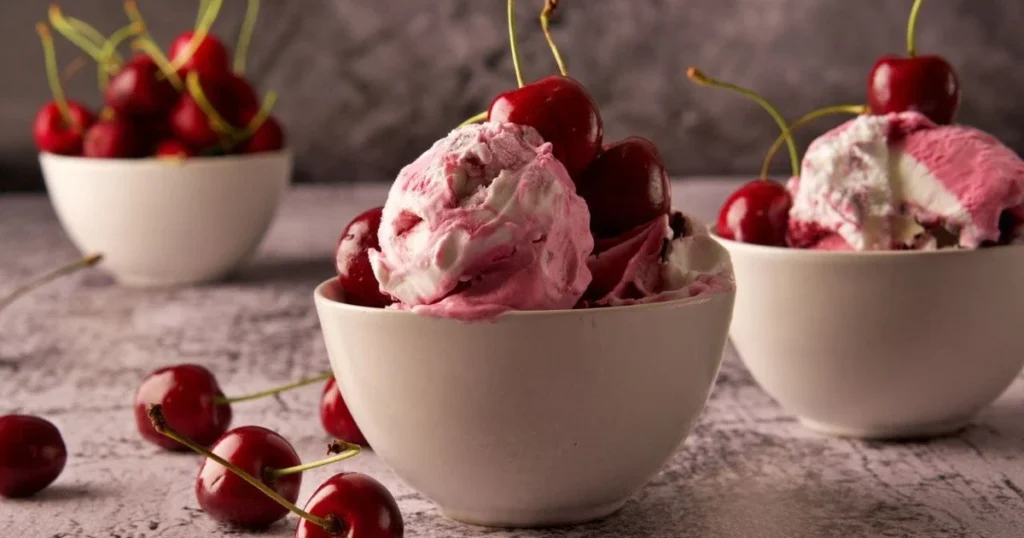
- Ice cream – 26%;
- Cheese – 18%;
- Butter – 8%;
- Casein – 6%
- Whey – 6%.
In May 2026, Ukraine increased its exports of milk and condensed cream by volume to 3.64 thousand metric tons (18%), cheese to 1.24 thousand metric tons (6%), and ice cream to 2.24 thousand metric tons (21%), but reduced exports of other dairy products. Compared to May 2025, Ukraine increased the physical volume of exports of fermented milk products to 597 metric tons (19%) and ice cream (0.3%). Shipments of other dairy products decreased compared to the same period last year.
In May 2026, Ukraine increased its export revenue from shipments of milk and condensed cream to $10.2 million (25%), cheese to $5.81 million (7%), and ice cream to $8.39 million (21%) compared to April 2026, but revenue from other product categories declined. Revenue from exported butter saw the sharpest decline over the past month (-42%). Compared to May 2025, revenue from shipped fermented milk products increased to $854,000 (25%), milk whey to $1.97 million (24%), and ice cream (4%).
Watch us on YouTube: important topics – without censorship
The situation on the global dairy market remains challenging. Due to export restrictions, particularly the blockade of the Strait of Hormuz, Gulf countries have reduced their purchases of butter. Butter is piling up in the warehouses of both European and Ukrainian dairy processing companies. A significant number of Ukrainian companies are unwilling to sell their products at the current low prices and are waiting for market conditions to improve. However, the immediate outlook remains uncertain.
At the same time, the situation on the skim milk powder market looks much better. Demand for protein products remains consistently high. This applies not only to dry milk but also to a wide range of milk proteins, which are being used more and more actively in the food industry. It is precisely this demand for proteins that supports the dairy sector’s export potential.
Moderate growth in demand for cheese, dry milk, and whey, as well as stabilization and moderate growth in demand for butter, could contribute to a recovery in prices in the EU in the second half of 2026. Over the past 30 years, 4 million dairy farms have closed in the EU. By 2035, milk production in the EU could decline by 10–15 million metric tons, opening a window of opportunity for Ukrainian exporters.
Due to the war and declining purchasing power, the domestic market can no longer sustain the necessary growth rates. Therefore, every additional liter of milk produced in Ukraine must be directed toward foreign markets. The Ukrainian dairy industry has already made significant progress toward integration into the European market. While in 2014 Ukraine exported mainly technical casein to the EU, today Ukrainian companies supply the European market with small batches of kefir, yogurt, and other products with higher added value.
However, the export structure remains inefficient, as Ukraine primarily exports dry milk and butter, which have the lowest value added. Global leaders in the dairy industry are increasingly shifting toward the production of dairy ingredients (whey proteins, lactoferrin), which are experiencing the highest growth rates in demand. By 2035, global demand for butter is expected to grow by approximately 30%, and for dry milk by 65%, while demand for dairy ingredients is projected to more than triple.
Read us on Telegram: important topics – without censorship