Ukrainian Ballistic Missile Defense: Why the 2026–2027 Deadlines Are Just the Beginning of a Long Journey
10 August 12:41 ANALYSIS
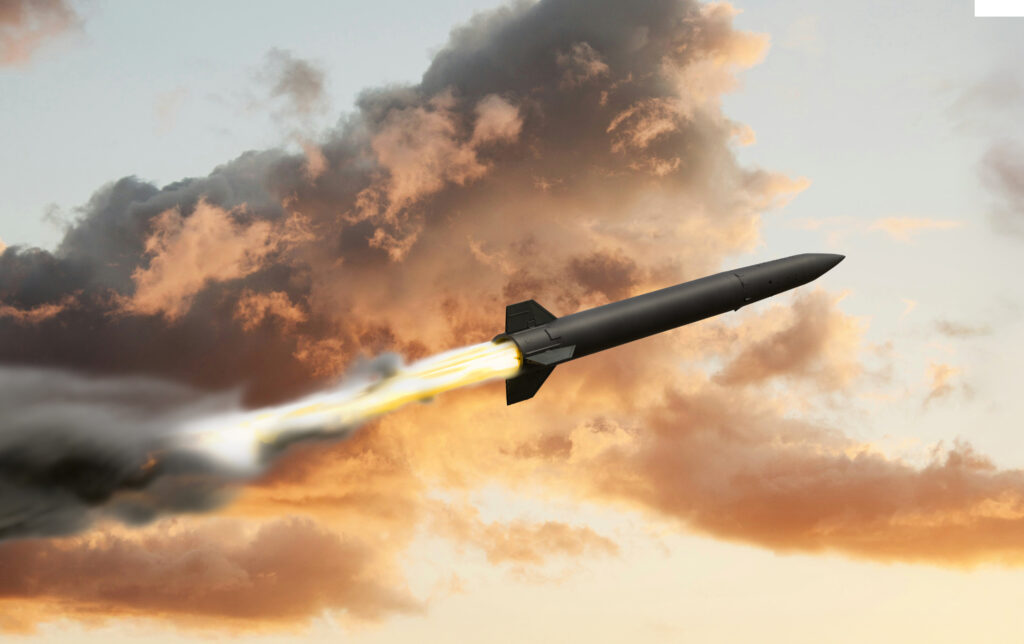
It took Poland seven years to obtain permits and set up local production of the tiny micro-engines for the American PAC-3 MSE. Japan needs a full year to assemble just 30 missiles for the Patriot system. Against this backdrop, Ukraine’s plans to launch its own anti-ballistic missile system as early as 2026–2027 have been described as an ambitious step. As part of the international Freya project, the Ukrainian company Firepoint has announced its goal: the FP-7.x interceptor, costing less than $1 million per unit, with an annual production capacity of up to 2,000 missiles. However, behind this technological optimism lie harsh defense realities. Where the political deadline ends and the long-term engineering work begins—read more in this article "Komersant Ukrainian".
Ukrainian President Volodymyr Zelenskyy’s statement regarding plans to achieve decisive results in the development of domestic ballistic missiles and a new air defense system as early as 2026–2027 has sparked lively discussion among military experts. Oleg Katkov, editor-in-chief of the specialized military publication Defense Express, explained why such projects typically take decades to implement and what challenges Ukraine and its European partners will face.
The Realistic Timeline: From Initial Tests to Full Deployment
According to Oleg Katkov, the 2026–2027 timeline applies only to the first phase of development. The first test of the Freya system intercepting a ballistic target is scheduled for July 2027.
The main stages following the July tests are:
- Completion of the test cycle. Even under the most optimal scenario, verifying and refining the system takes a long time.
- Codification. Adoption of the system into service by the Ministry of Defense of Ukraine and approval for delivery to the military.
- Mass production. Deployment of production lines for the air defense missile systems (ADMS) themselves and the missiles for them.
- Scaling and Deployment. Creating a single system does not solve the problem of comprehensive missile defense—a stable, serial supply of dozens of batteries is required.
“Developing systems of this class is an extremely complex process that, in global practice, requires significant amounts of time. Even relatively simple systems take up to 10 years to develop. For example, Turkey has been developing its Siper air defense system for years,” notes Oleg Katkov.
Watch us on YouTube: important topics – without censorship
Western Cooperation: Acceleration at the Cost of Dependence
The stated accelerated pace of the Freya system’s development is possible solely through the use of off-the-shelf foreign components.
Firepoint openly states that its in-house capabilities cover the production of the missile body, but not the homing seeker. Agreements have already been reached with the German company Diehl for the supply of the homing seeker. The rest of the system’s key components will also be imported. Specifically, this includes radar stations, which are expected to be supplied by the German company Hensoldt , as well as command posts and data transmission systems.
“When it comes to implementing the system, we can move as quickly as possible and do everything to the highest standard, but we will still remain dependent on, for example, Hensoldt’s ability to supply radar stations. And we will be dependent on that. […] And the fact is that we’ll already be moving as fast as possible given our current capabilities—that is, we’re using a missile without a homing head, and all other components of the system are foreign-made; this allows us to speed things up. But even in that case, testing won’t begin until the summer of 2027,” said Oleg Katkov.
This model allows for a significant reduction in development time but creates a direct dependence on the production capacities of European contractors.
Destruction or close-range detonation: what’s the difference between the FP-7.x and the Patriot PAC-3?
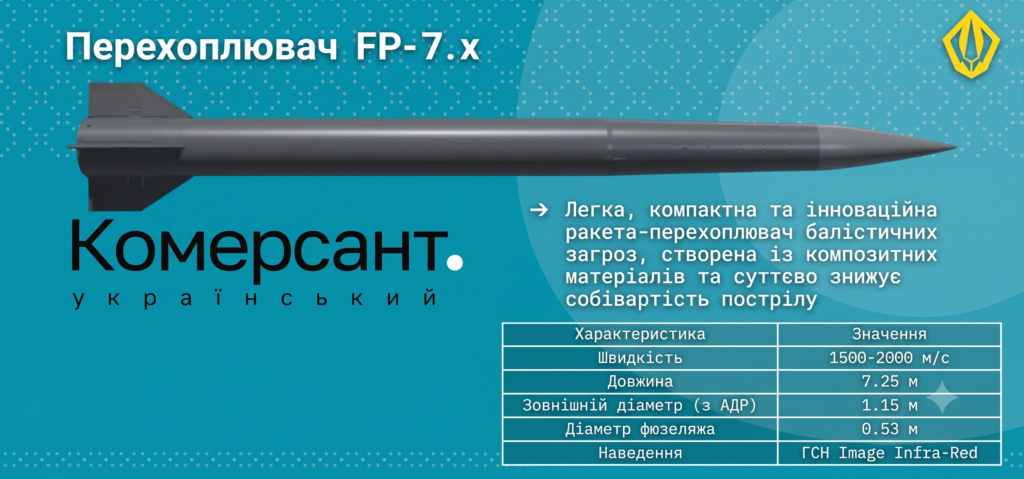
The stated price of the Ukrainian FP-7.x missile (less than 1 million euros) compared to several million dollars for the American PAC-3 MSE is explained by a fundamental difference in engagement technology.
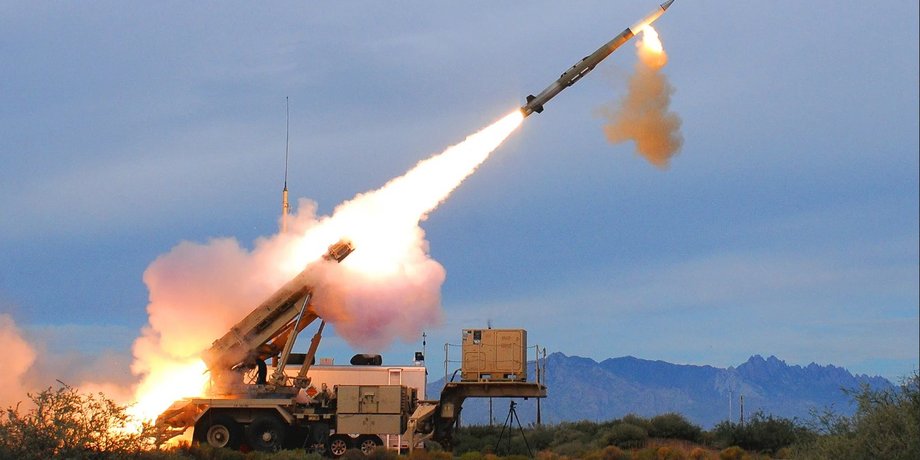
The American PAC-3 MSE interceptor operates on the principle of kinetic interception (Hit-to-Kill) — the missile strikes the ballistic target head-on using a highly sophisticated active radar homing seeker and micro-engines, completely destroying the enemy’s warhead in mid-air.
In contrast, the UkrainianFP-7.x missilefor the Freya system, like the American PAC-2 GEM-T, is designed according to a simpler principle. It detonates near the target and strikes it with a fragmentation blast. This is significantly cheaper and easier to manufacture, but it has a different end result: the enemy’s ballistic missile does not vaporize in the air, but is knocked off course, falls, and explodes on the ground.
“In the early stages, the FP-7.x will not perform kinetic interception. It will detonate nearby and strike the target with fragments. It’s important to understand that with this type of interception, the ballistic missile still falls and detonates, even though it may not directly hit the original target,” explains the editor-in-chief of Defense Express.
Why is Europe interested in the project?
The involvement of at least 10 countries and European defense giants in the Freya project is due to a critical shortage of anti-ballistic capabilities in Europe itself. Developing high-precision PAC-3 MSE-class anti-ballistic missiles is an extremely complex and slow process.
- Japan, despite holding a license, is able to assemble only about 30 PAC-3 missiles per year due to its reliance on Boeing for the supply of active homing heads.
- It tookPoland seven years just to finalize political agreements and localize the production of micro-engines for the PAC-3, five of which were spent on building the facility and obtaining certification.
- Germany is ramping up production of PAC-2 GEM-T missiles with a planned capacity of up to 180 units per year, which is insufficient to meet the needs of the entire continent.
“That’s why Europe also recognizes the shortage of any kind of anti-ballistic capabilities. Two years ago, the Germans began building a plant that will produce PAC-2 GEM-T missiles—which, incidentally, don’t intercept normal ballistic missiles either; they merely knock them down. And the entire facility will be able to produce up to 180 missiles per year. That’s a drop in the bucket, because that’s for all of Europe. And that’s why—European partners have already joined the Freya project. But we must understand that even in Europe there are still two similar competing projects, unrelated to either SAMP/T or Patriot,” said Oleg Katkov.
Thus, the announced timeline for beginning testing in 2027 is realistic thanks to close cooperation with Western defense companies (Diehl, Hensoldt). However, creating a fully-fledged Ukrainian “shield” against ballistic threats will take a long time. Even after successful testing, it will take years to begin mass production, deliver the systems to the military, and establish a reliable supply chain for missiles.
Read us on Telegram: important topics – without censorship