In Odesa, Boris Barsky’s “Maski” Theater Has Been Caught Up in a Language Scandal: What We Know
21 June 11:03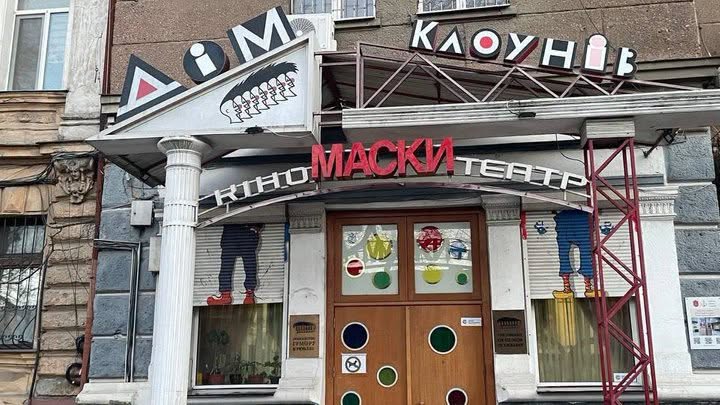
Boris Barsky, a well-known Ukrainian actor, People’s Artist of Ukraine, and director of the Odesa comedy troupe “Maski,” appealed to the human rights and state language protection commissioners following an inspection that revealed violations of language legislation at the theater.
In an open letter to Ombudsman Dmytro Lubinets and State Language Commissioner Olena Ivanivska, the theater and its director acknowledge their mistakes, but call on the authorities to show “fairness and humanity,” recalling their long-standing pro-Ukrainian stance and volunteer support for the Armed Forces of Ukraine. "Komersant Ukrainian" examined the details of the situation.
Watch us on YouTube: important topics – without censorship
According to Boris Barsky, during an inspection at the House of Clowns (where the “Maski” Theater is based in Odesa), four violations of the language law were documented; the law requires the mandatory use of the Ukrainian language in the service sector, culture, and public spaces.
The violations concerned informational signs, signage, and the sale of printed materials.
In particular, during the inspection for compliance with language legislation, temporary signs printed in Russian reading “Seats 1 through 10” remained on the doors of the auditorium. For many years, the LED sign above the theater café displayed the words “Tea — Coffee.”
According to the artist, the staff simply “stopped paying attention to it.”
After one of the premieres, Barsky published an emotional post in Russian on his own page and on the theater’s page. Complaints arose regarding the selection of books sold at the theater (written by the actors themselves), which did not comply with the legally mandated quotas for the Ukrainian language.
The theater director emphasized that all issues had been resolved “immediately.”
However, in his statement, Boris Barsky said that the theater is not trying to evade responsibility or deny the validity of the law, but asks that a distinction be made between “deliberate disregard for the Ukrainian language and mistakes.”
“The law is the law, and we respect it. But they say that a person is judged not by their words, but by their actions,” the artist wrote.
Barsky recalled that the “Masks” troupe, founded back in 1985, has a long history of supporting Ukraine as an independent state. In particular, in 2004, the theater supported the Orange Revolution; in 2014, it released a video statement against Russian aggression; and after the occupation of Crimea, it provided free accommodation to families of Ukrainian soldiers who had fled Sevastopol.
Since the start of Russia’s full-scale invasion in 2022, the theater has regularly held charity performances for wounded soldiers, volunteers, the National Guard of Ukraine, and the State Border Guard Service, and Barsky himself has received awards from the Main Intelligence Directorate and former Commander-in-Chief of the Armed Forces of Ukraine Valeriy Zaluzhny.
“We are not enemies of the Ukrainian language. We are people who have dedicated our entire lives to the arts… and who, even in the darkest moments of history, have stood by our people. A strong state is one that is capable of distinguishing an accidental mistake from genuine convictions,” the theater director emphasizes, asking that in such situations, authorities “be guided not only by the letter of the law, but also by the principles of justice, proportionality, and humanity.”
For reference:
The Law of Ukraine “On Ensuring the Functioning of the Ukrainian Language as the State Language” was adopted in 2019. Its provisions were implemented in stages. Since 2021, the culture, entertainment, and service sectors have been required to conduct their activities in the state language.
The Office of the Language Ombudsman regularly conducts inspections and responds to complaints from citizens. A warning is typically issued for a first violation, while fines are imposed for repeat violations.
No official comments have yet been received from Dmytro Lubinets or the Language Commissioner’s Secretariat regarding the Odesa theater’s appeal.
Read us on Telegram: important topics – without censorship