Group of Chinese ports bans tankers from Russian shadow fleet
8 January 2025 15:00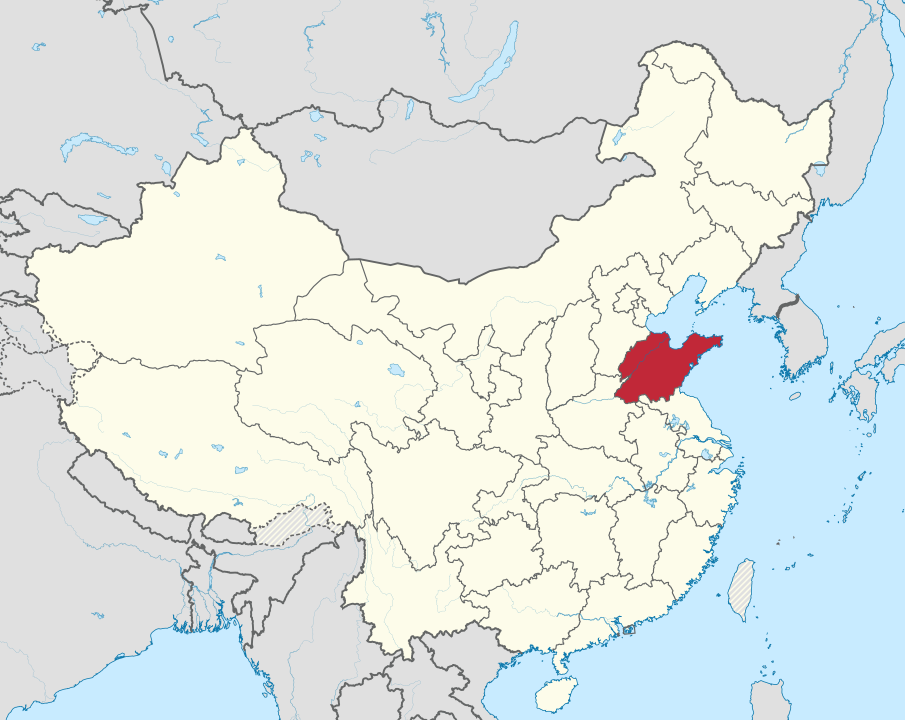
A group of Chinese ports in Shandong province has banned tankers under US sanctions. This was reported by "Komersant Ukrainian" reports with reference to Reuters.
This province is home to many independent refineries that are the largest importers of oil from countries under the US embargo. According to the Kpler ship tracking system, the province imported about 1.74 million barrels of oil per day from Iran, Russia and Venezuela last year, accounting for about 17% of Chinese imports.
If the ban is enforced, it will increase transportation costs for refineries in Shandong, which are the main buyers of sanctioned oil at a discount from these three countries.
Last month, Washington imposed additional sanctions on companies and shadow fleets dealing in Iranian oil. President-elect Donald Trump, who takes office on January 20, is expected to further tighten sanctions against Iran, as he did during his first administration.
According to traders, the ban could slow down imports to China, the world’s largest oil importer.
The Shandong port order issued on Monday prohibits ports from accepting, unloading or providing services to ships that are on the US Treasury Department’s Office of Foreign Assets Control (OFAC) list.
Shandong Port controls the main ports on China’s east coast, including Qingdao, Zhizhao and Yantai, which are the main terminals for importing sanctioned oil.
In a second announcement on Tuesday, the port of Shandong said it expects the shipping ban to have a limited impact on independent refineries, as most of the sanctioned oil is transported by unauthorized tankers.
The ban was imposed after the sanctioned tanker Eliza II unloaded at the Yantai port in early January.
According to tanker tracker Vortexa, eight very large oil tankers, each with a capacity of two million barrels, unloaded mostly Iranian oil in Shandong in December. Among these vessels were the Phonix, Vigor, Quinn, and Divine, all of which are under US sanctions.
Follow us on Telegram: the main news in a nutshell
The shadow fleet and the fight against it
According to Michelle Wiese Bockmann, chief analyst at Lloyd’s List Intelligence, the active shadow fleet carrying Iranian, Russian and Venezuelan oil, has about 669 tankers. Of this number, 250-300 tankers were usually engaged in the transportation of Russian oil.
From October to December, the U.S. Treasury Department imposed sanctions on 35 tankers that it said were part of Iran’s “ghost fleet,” in addition to the vessels operated by NITC. In early 2024, Washington separately imposed sanctions on Sovcomflot.
According to Reuters sources, the outgoing Biden administration plans to impose sanctions on more than 100 tankers involved in the transportation of Russian oil.
On Monday, the US Department of Defense added China’s largest shipping company, COSCO, to the list of companies working with the Chinese military. This may scare charterers away from using COSCO tankers and lead to a further reduction in the number of vessels for charter.
Follow us on Telegram: the main news in a nutshell