The End of Sacredness: What “Surprise” from Ukraine on May 9 Could Ruin Putin’s Celebration
5 May 11:25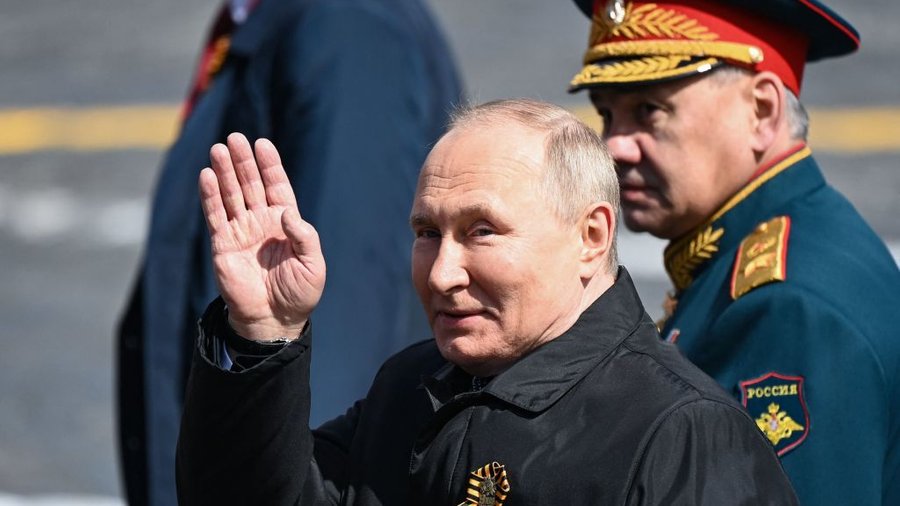 ANALYSIS FROM
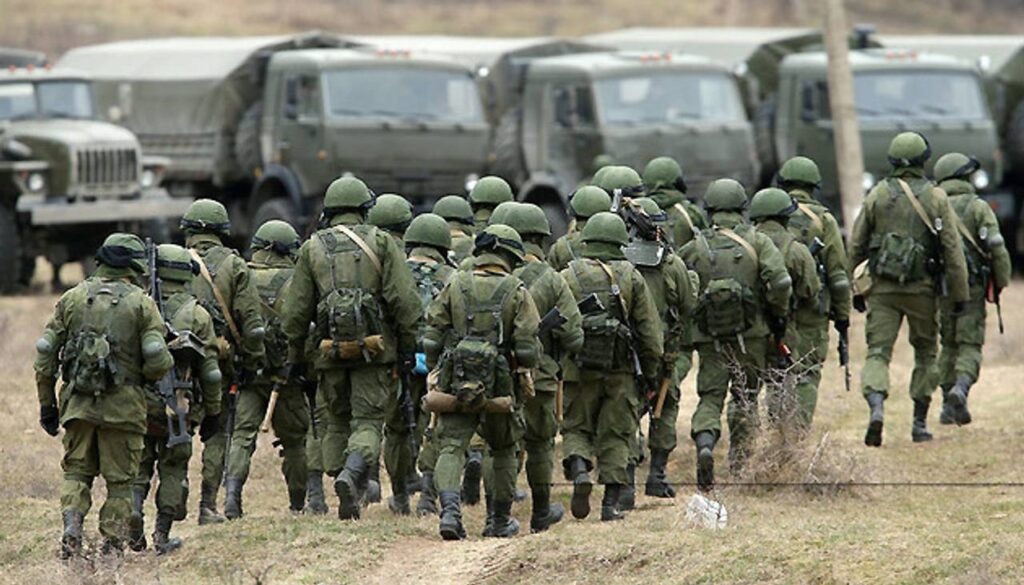
For the Kremlin, May 9 has always been a key propaganda tool, but this year the “victory mania” celebrations are taking place amid anxiety and the dictator’s “sour expression.” The “sacred date” has suddenly turned into a problem: instead of triumph—nervous preparations; instead of confidence—attempts to negotiate silence; instead of a show of strength—the risk of revealing weakness. And for the first time in many years, the Kremlin is forced to think not about a propaganda image, but about how to avoid a blow to its own prestige—and, perhaps, even to Moscow itself. What is the Kremlin really afraid of this year? Could the parade on Red Square turn from a show of strength into a symbol of defeat? Does Moscow risk being struck on the very day of its own propaganda show?
A parade without equipment and a “stand-in” on the podium
Putin is approaching May 9 with a complete vacuum of real achievements. IDF reserve officer Grigory Tamar, in an exclusive comment for
“I’m not sure if Putin himself will show up there—maybe it’ll be a body double. But in any case, he’ll have a sour look on his face, because there’s no reason to be happy,” says Tamar.
One of the Kremlin’s greatest tragedies was the rout of the Black Sea Fleet. The officer ironically draws a parallel with Putin’s famous phrase about the submarine “Kursk.”
“Remember what he said? ‘It sank.’ Well, the fleet sank too. Ukraine—a country that effectively has no large navy of its own—sank the pride of Russia. This is a vivid demonstration of how the scales have tipped the other way,” says Grigory Tamar.
A ceasefire for the sake of a parade: should Ukraine make concessions?
The Kremlin’s initiative for a short-term ceasefire on May 9 has been met with skepticism in Kyiv and Warsaw. After all, while Moscow is trying to ensure a peaceful parade through diplomatic channels, Ukraine is demanding real security guarantees, not just a “television spectacle.” On April 29, Russian dictator Vladimir Putin held a telephone conversation with U.S. President Donald Trump. Following the conversation, Trump stated that he had proposed to the dictator a “short-term ceasefire” for the duration of Russia’s “Victory Day” celebrations.
Watch us on YouTube: important topics – without censorship
Trump called the conversation “very good” and expressed his belief that Putin allegedly “would like to find a solution” to end the war. Ukrainian President Volodymyr Zelenskyy responded promptly to these proposals. Kyiv does not reject the idea of a ceasefire in principle, but demands specifics. The main question raised by the Ukrainian side is: Is Russia truly ready for peace, or does it simply want to hold a parade without disruption?
“A few hours without gunfire for the sake of a pretty picture in Moscow is not peace,” Zelensky made clear.
Poland also joined in criticizing the initiative. Prime Minister Donald Tusk called Russia’s proposal for a one-day ceasefire “absurd.” According to him, Warsaw will not pressure the Ukrainian president on this issue.
“I will in no way try to persuade President Zelenskyy to agree to this type of proposal,” Tusk stated before departing for the European Political Community summit.
Any ceasefire must be part of a genuine, long-term peace formula, not a “service to the Kremlin’s interests” so that it can calmly march troops across Red Square. A reserve officer in the IDF views Putin’s proposal as an attempt to manipulate the ceasefire narrative around “sacred dates.”
“Making concessions to Putin so he can hold a parade while, in Ukraine, the elderly and children are dying for the third winter in a row from his terror in homes without electricity—that is the highest form of political cynicism,” the military officer emphasizes.
A “surprise” for the dictator and complete isolation
Putin finds himself in a situation where he has virtually no one to stand by him on the podium. Aside from his loyal satellite Lukashenko, world leaders are ignoring the spectacle on Red Square. An IDF officer emphasizes: the absence of foreign guests and modern equipment at the parade is only part of the Kremlin’s problems, as the main “gift” may come from the Ukrainian Armed Forces.
“I am more than certain that on May 9, Ukraine will have some kind of surprise in store that will further dampen the ‘joy’ of the Russian dictator. This will vividly demonstrate Ukraine’s capabilities in this war and show just how much the balance of power has shifted.”
The expert added that in a situation where Russian logistics and the fleet are constantly under attack, any “greeting” from Ukrainian drones on this day would be not just a military operation, but a devastating political blow to the regime’s prestige.
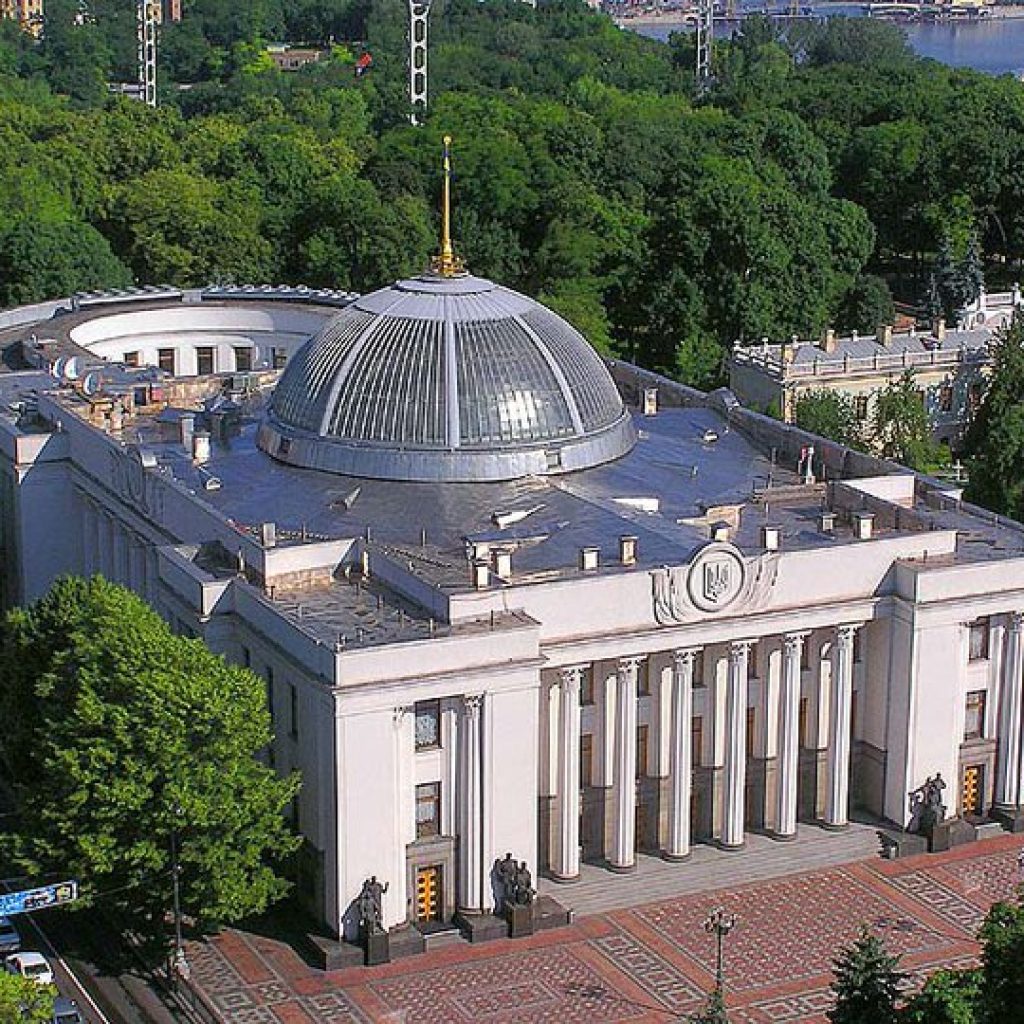
Moreover, the Kremlin realizes that the Russian capital is within range of Ukrainian weapons, and holding a military parade in the absence of a ceasefire agreement poses direct risks to the aggressor. This was stated in an exclusive comment by Colonel Roman Kostenko of the SBU, secretary of the Verkhovna Rada Committee on National Security, Defense, and Intelligence.
According to Kostenko, Russian intelligence has clear data on the technical capabilities of the Ukrainian Armed Forces. Even though Russia continues to terrorize the entire territory of Ukraine with long-range weapons, Moscow no longer has any “immunity.”
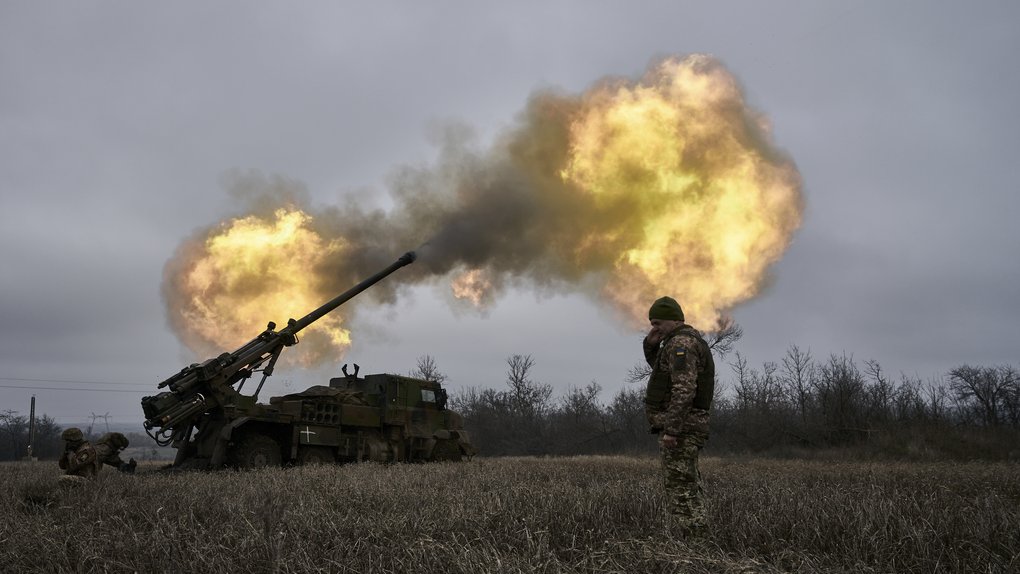
“Moscow knows that Ukraine has weapons capable of reaching Red Square. We are not talking now about intentions or readiness to strike, but simply about a fact: their intelligence knows from experience that we have weapons capable of reaching such targets,” Kostenko emphasized.
This year, the Kremlin is again trying to create the illusion of international support by inviting leaders of several countries to the parade. However, the presence of foreign guests does not ease tensions, as the question of Ukraine’s use of long-range weapons remains open.
Roman Kostenko noted that the scenario for May 9 depends directly on decisions at the highest level:
“Whether we will use them is a decision for the top political leadership. It will be made based on what agreements are reached,” said Kostenko.
The Kremlin’s Security Trap
Since the official ceasefire, which the Russian Federation insisted on for the sake of the “sacred date,” was not achieved, the Russian leadership is forced to hold events under heightened readiness for “strikes.”
The realization that a Ukrainian drone or missile could appear in the sky over Moscow at the moment of a propaganda triumph is a serious destabilizing factor for the Russian elite. Now the Kremlin is forced to take into account not its own desires, but the actual power of Ukrainian weapons.
While the Kremlin prepares for yet another “victory frenzy,” the Russian capital has de facto entered a state of siege. Massive drone attacks, forced internet shutdowns, and conflicts within the elite indicate that this year’s May 9 is a severe test for Moscow. And Saturday’s drone attack on Moscow turned out to be more extensive than the official authorities tried to portray. Sources in the Russian Ministry of Defense acknowledge that they are trying to turn the capital into a “fortress,” but at the expense of security in other regions.
“Moscow is currently protected. In any case, all available air defense forces have been concentrated here. They were withdrawn from other areas to ensure security during the May holidays and Victory Day,” explains a source for “Kremlin Snuffbox” within the occupiers’ defense ministry.
The military makes no secret of it: May is a “critically important month,” as Ukraine has built up the capacity for even more massive strikes that could target more than just the capital. Despite the generals’ assurances, Moscow Mayor Sergei Sobyanin, according to insiders, is extremely skeptical. A serious conflict is brewing between City Hall and the Russian Ministry of Defense over the latter’s inability to guarantee 100% security for the city of over a million people.
“He (Sobyanin) believes that Muscovites have been forced to play the lottery. And not through any fault of their own. And someone may lose against their will,” sources quote the mayor’s position.
The festive atmosphere in Russia is being completely “ruined” by the security forces themselves. Citizens are openly advised not to use air travel and to refrain from any vacation plans altogether.
“First, there will be many military threats in the coming days. We plan to repel them, but the threats are serious. Second, there is a high probability that you will simply get stuck at the airport… May 9—though a holiday—is not a reason to take a vacation,” sources in the Russian Ministry of Defense state.
The most obvious sign of panic in the Kremlin has been the restriction of not only mobile but also home internet access in Moscow and the Moscow region. The authorities explain this with unprecedented security measures.
“This is linked to the threat of an assassination attempt on Vladimir Putin during Victory Day celebrations. Sources make no secret of the fact that such changes are part of a large-scale experiment to control the information space,” the reports state.
In fact, for the sake of the “image” of the parade, which, according to sources, “could have been disrupted,” residents of the Russian capital are being herded into a digital vacuum. Moscow is marking May 9 under conditions where every move—from stepping outside to attempting to go online—is controlled by fear of an inevitable response to the aggression that has been launched.
Most interestingly, this year Putin doesn’t even have anyone to “hide behind” on the podium. Apart from Lukashenko, who is traditionally ready to lend a shoulder (or, as an expert jokes, “broad chest” to shield the dictator from a Ukrainian drone or “Russian drone”), no distinguished guests from normal countries are expected, notes Grigory Tamar
“In four years of World War II, the Red Army was in Berlin. And in the years of this war, Putin ‘took’ Bakhmut and Mariupol. That’s where the achievements end,” the officer concludes.
Thus, the lack of real victories, international isolation, and fear of possible strikes are turning the parade from a symbol of triumph into a risk zone. An attempt to force a “timed ceasefire” indicates not a readiness for peace, but a desire to salvage a propaganda image. And this underscores the main point: the Kremlin no longer fully controls either the course of the war or even its own symbolic events.
For Ukraine, the key is not to play by the rules of this propaganda. Any decisions regarding a ceasefire must be based solely on military expediency and security, not on the Kremlin’s calendar.
Read us on Telegram: important topics – without censorship