“They drove us through the radiation in open GAZ trucks”: Chernobyl’s deadly shadow 40 years later
26 April 09:15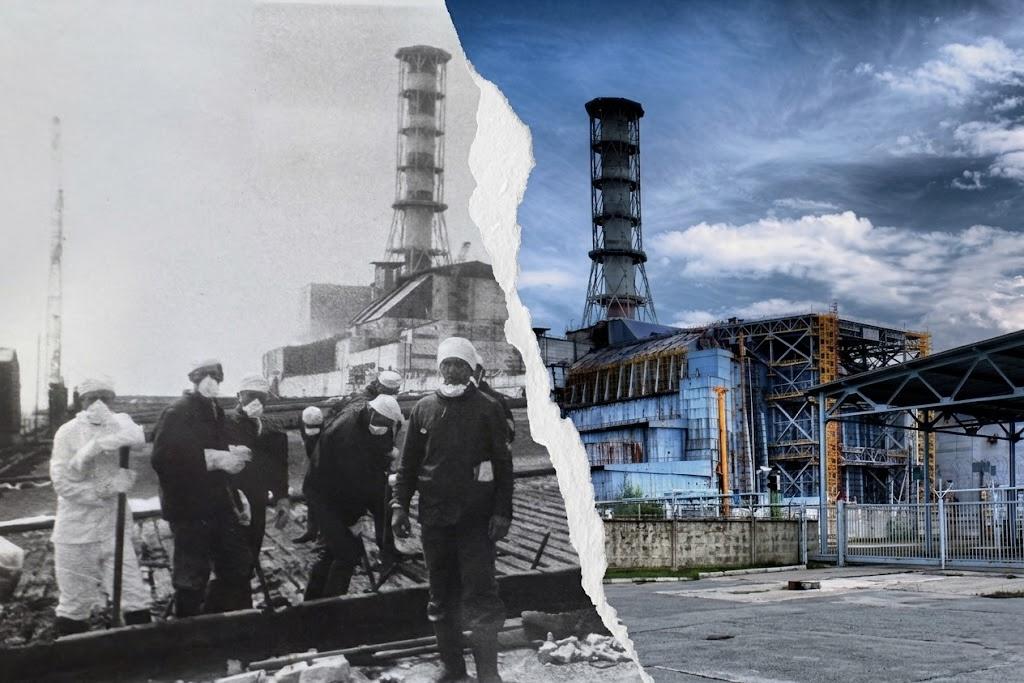 EXCLUSIVE
On April 26, 2026, humanity marks the 40th anniversary of the Chernobyl nuclear disaster—a catastrophe that changed the course of history and the lives of millions. Despite the passage of decades, many aspects of those events remain classified or hidden behind the veil of Soviet propaganda. Vasyl Guiwan, who entered the exclusion zone in 1987, spoke in an exclusive interview with "Komersant Ukrainian" about the real working conditions at the reactor units, about how the Soviet system sent people to their deaths in open trucks and forced them to paint benches and playgrounds where no one would ever live. And most importantly—why the truth is the only way to prevent a repeat of the disaster in a world where the nuclear threat, unfortunately, has once again become real.
“We have already seen what the first liquidators did not know”
Mr. Vasyl, today we are commemorating events from 40 years ago. You arrived at the plant as a liquidator. What did you find in Chernobyl back then? What stands out most in your memory?
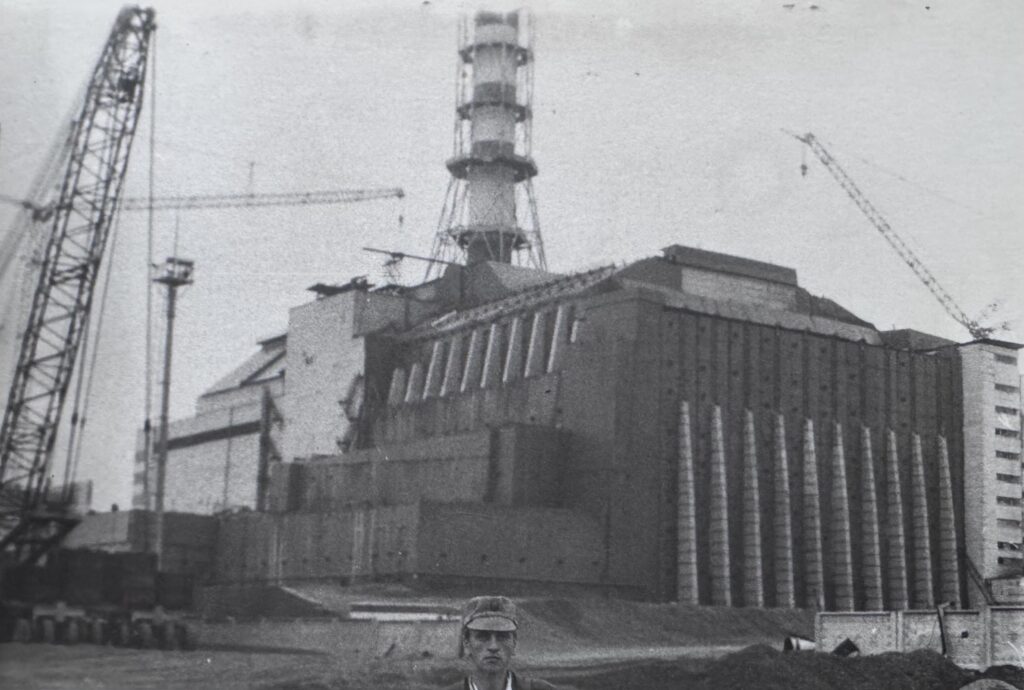
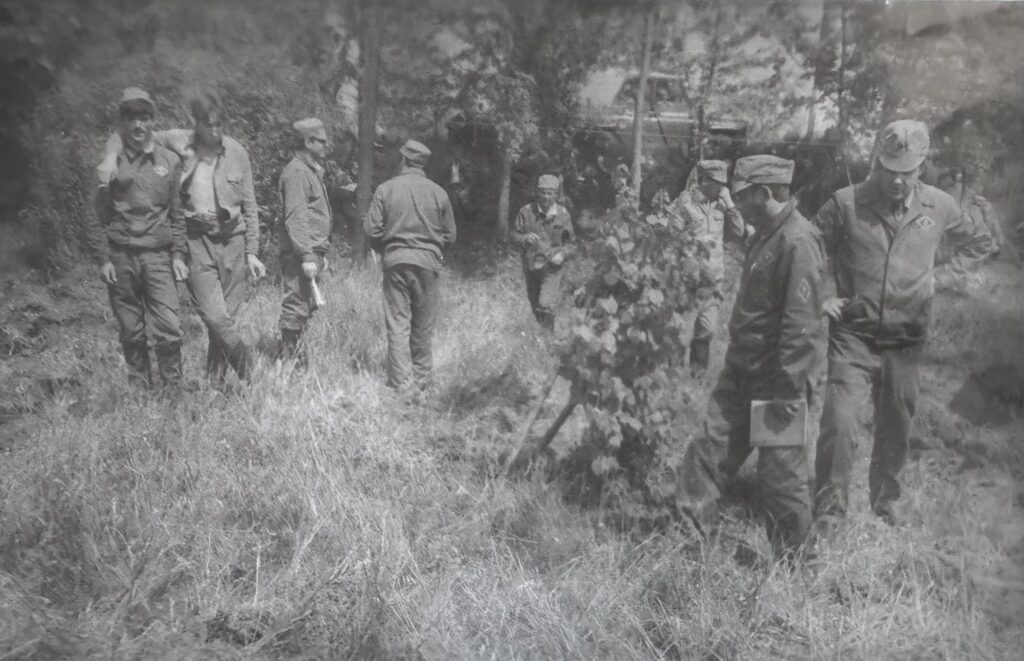
– I was called up for duty on April 19, 1987. By that time, a sarcophagus had already been built over the fourth power unit, but there was still plenty of cleanup work to be done. We cleared the surrounding areas, worked directly on the third power unit, and decontaminated the nearby settlements.
Watch us on YouTube: important topics – without censorship
The difference between us and those who were there in ’86 was information. Those first ones knew almost nothing—they were thrown into the fire blindly. We already had some idea of what was going on; we’d seen everything with our own eyes and talked to eyewitnesses. But the danger hadn’t gone anywhere.
You mentioned villages whose names you still remember today. What was happening there?
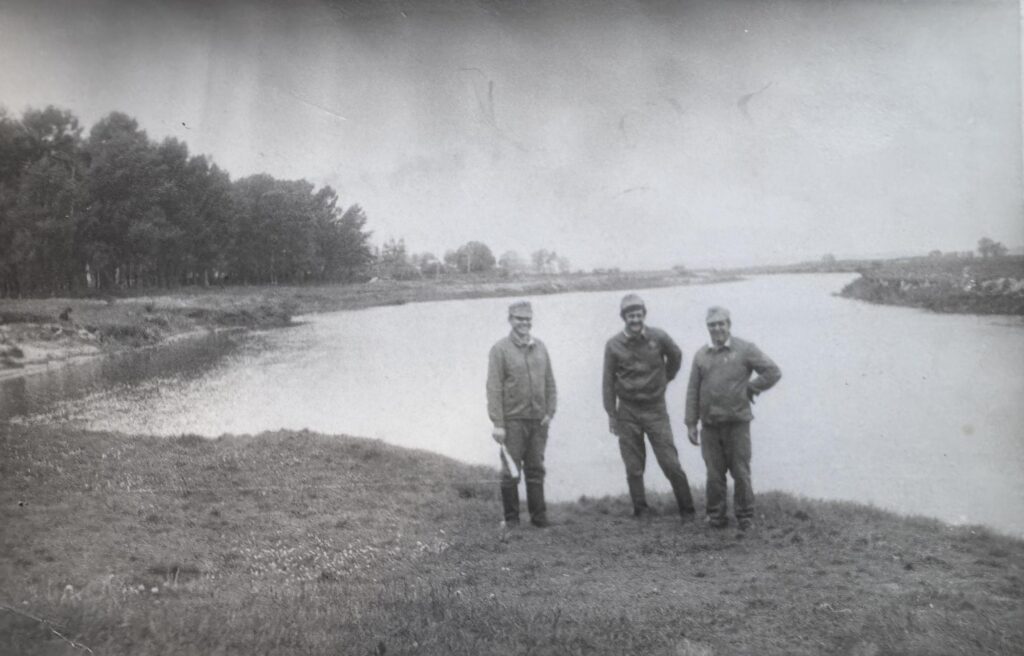
– I remember Varovychi and Buda-Varovychi well. We laid lines to deep wells to provide the population with clean water. People were told that everything was fine, that it was safe to live there. But literally within a year, these villages were evacuated. Do you understand? We were doing work that nobody needed, because the people were taken away anyway. In Polissya, we cleaned up playgrounds, painted park benches, took photos by the Uzh River… They told us, “Children will play here.” And then the town was simply wiped off the map.
“We worked for two minutes, and then—into an open truck”
It’s known that taking photos in the zone was strictly forbidden. How did you manage to capture these moments?
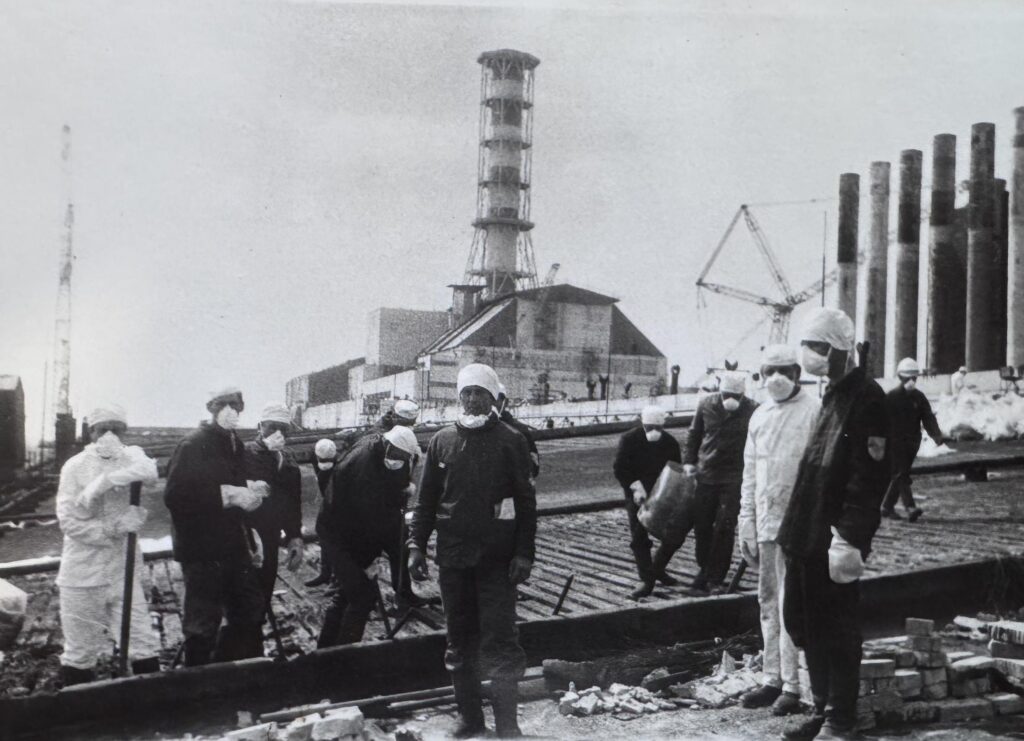
– Yes , they forbade it, but didn’t explain why. Just “you can’t.” Out of curiosity, the guys hid their cameras anyway (there were no cell phones back then). When we worked 5–10 meters from the destroyed fourth block, they only gave us 1–2 minutes to work. There was no time for photos there. But when we moved 20–30 meters away, where we worked for 2–3 hours, we had the chance to take some shots.
How did the Soviet system control information about radiation doses? Was there any truth to the figures they gave you?
– The propaganda worked perfectly. They didn’t tell us anything. There were dosimeters, but they often just “went off the scale.” We’d call the service, they’d come and say, “The device isn’t working right; everything’s fine here, you can work.”
I made 21 trips to the plant. We worked for 1–2 minutes on top of the reactor block, then went down and took a shower. And then—summer, the heat—we drove 70 kilometers to our unit in the village of Radcha in the Zhytomyr region in open “GAZ-2100s.” On the way out of the 30-kilometer zone, the vehicles were washed three times because they “glowed,” and we were sitting in those very same vehicles. The exact doses we actually received aren’t recorded anywhere.
Many of your colleagues didn’t live to see today. How did your health react to that “assignment”?
– Do you know what’s the scariest thing about radiation? You don’t feel it. I had medical checkups every year; everything was fine. But 34 years later, in 2021, I got sick. A blood disorder. The doctors confirmed: this is a consequence of being at the Chernobyl Nuclear Power Plant. It has a cumulative effect. It waited three decades for its time to come.
A Message to Future Generations
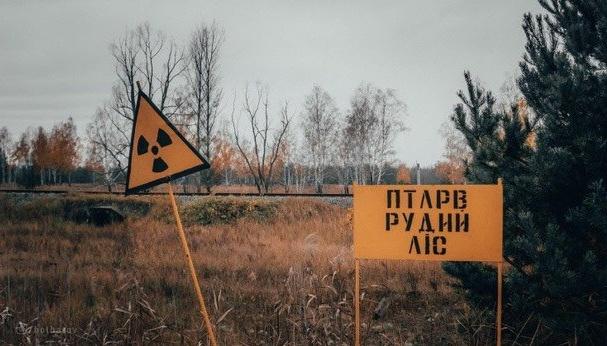
Today, amid the war, we’re hearing threats of nuclear terrorism again. The Russians occupied Chernobyl in 2022 and are now holding the Zaporizhzhia Nuclear Power Plant. Seeing the occupiers digging trenches in the Red Forest, what were your thoughts?
– It’s barbarism and ignorance. They received massive doses there because the half-life of isotopes in that area is hundreds of years. But humans are unpredictable creatures. When you see who is in power in Russia today, you realize there are no guarantees. The tragedy could repeat itself. Our only hope is in God.
What would you like to say to those who are only learning about the history of Chernobyl from textbooks or movies today?
– Nuclear power is not a toy. You must strictly follow the instructions. If everything is done correctly, the risk is lower, but it is always there. My main wish is that people working at such facilities always remember: the price of a mistake or negligence is a life that could be cut short even after forty years.
Mr. Vasyl, thank you for this conversation and for your courage. Your story is an important warning to the whole world.
Read us on Telegram: important topics – without censorship