Despite steady global demand for beef, cattle exports from Ukraine are declining rapidly
19 July 00:12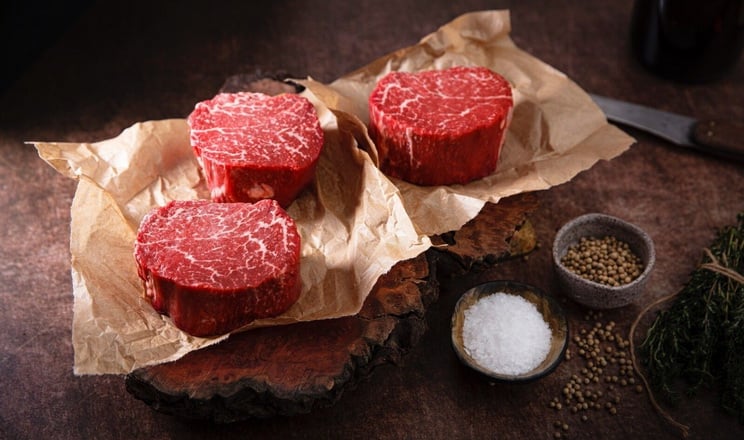
According to preliminary data from the State Customs Service, in June 2026, Ukraine exported approximately 1.52 thousand metric tons of live cattle, which is 25% less than in May 2026, but 25% more than in June 2025. Revenue from exported livestock totaled $3.68 million, which is 29% less than in May 2026 and 33% less than in June 2025. In January–June 2026, Ukraine exported 10.84 thousand metric tons (11.5%) of cattle worth $24.63 million (15%). This was reported by "Komersant Ukrainian", citing the press service of the Association of Milk Producers.
In June 2026, Ukrainian exporters shipped 445 metric tons of fresh or chilled beef to foreign markets, which is 2% more than in May and significantly more than in June 2025. Export revenue from these shipments totaled $3.67 million, which is 7% more than in May but significantly higher than in June 2025. In January–June 2026, Ukraine exported 2,220 metric tons of fresh beef worth $17.66 million. Ukraine increased its physical volumes of fresh beef exports by nearly 33 times and its export revenue by nearly 41 times compared to the same period last year.
Watch us on YouTube: important topics – without censorship
The volume of frozen beef exports from Ukraine in June 2026 amounted to 1.71 thousand metric tons, which is 6% less than in May 2026 but 6% more than in June 2025. Revenue from the goods shipped totaled nearly $7.75 million, which is 4% less than in May 2026 but 47% less than in June 2025. In January–June 2026, Ukraine exported 9.23 thousand metric tons (-4%) of frozen beef worth $41.78 million (11%).
Beef prices fell slightly in June, mainly due to lower prices in Australia ahead of an expected increase in export shipments in the third quarter. According to Rabobank, prices for heavy bulls and cows in Australia exceeded their highest levels in the last ten years. The export market remains strong, although some uncertainty persists regarding the impact of Chinese import quotas. In New Zealand, farm-gate beef prices remain high. Supply is gradually increasing, but export volumes are rising rapidly. At the same time, strong global demand, particularly from the U.S., is supporting New Zealand producers’ profitability and ensuring a positive outlook for the winter period.
Export prices for Brazilian beef remained generally stable as China’s import quotas neared full utilization, leading to a slowdown in purchasing. Currently, the U.S. has 86.2 million head of cattle, the lowest figure in the past 75 years. The U.S. cattle herd has shrunk sharply, leading to higher beef prices. Imports have failed to solve the problem. Since 2021, U.S. beef imports have risen by 86%, but over the same period, beef prices have increased by 56%.
The U.S. has also lost a significant portion of its farming base. In 2022, there were 732,000 cattle ranches in the country, 17% fewer than in 2017. In total, the U.S. has lost more than 450,000 such operations since 1997. The livestock industry is not highly profitable. In 2024, 71% of farms and ranches operated with an operating profit margin of less than 10%. About 75% of the U.S. beef cattle herd is located in drought-stricken areas. The spread of the New World screwworm has disrupted the supply of live cattle from Mexico.
Cattle slaughter in Ireland also fell by more than 18% year-over-year. The herd size decreased by more than 30,000 head, according to new data from the Central Statistics Office (CSO). The decline is attributed to high export volumes in previous years and changes in the structure of production. Meat processing plants are experiencing a shortage of cattle, which is affecting capacity utilization. Cattle supply is expected to remain relatively limited going forward, so the market may remain tight.
In June 2026, Ukraine reduced its cattle imports to 28 metric tons compared to May. Imports of chilled beef totaled 13 metric tons and remained unchanged over the past month. Imports of frozen beef decreased to 115 metric tons (-14%) compared to the previous month. Compared to June 2025, the volume of live cattle imports decreased by 89%, chilled beef imports by 11%, and frozen beef imports by 23%.
Read us on Telegram: important topics – without censorship