Already in 13 regions: Russian security forces have been sent to patrol lines for gasoline
19 July 05:17
Authorities in the Chelyabinsk Region have deployed police officers to monitor lines at gas stations in order to “maintain order and ensure safety.” The decision was made at a meeting attended by Governor Alexei Texler. The measures will apply to the busiest gas stations. Fuel purchase limits are in effect in the region (20–40 liters per person), which vary depending on the chain, according to "Komersant Ukrainian", citing Russian propaganda media.
According to local media, the current wait time in line at gas stations is at least 2.5 hours. In Troitsk, only one gas station remains open, and in Kopiysk, the price of gasoline has already reached 110 rubles per liter, with payment accepted only in cash.
Watch us on YouTube: important topics – without censorship
Police patrols were introduced at gas stations in the region after a driver, seeking to get gas without waiting in line, opened fire with a non-lethal pistol at a Gazprom gas station in Chelyabinsk. As a result, one person was hospitalized with injuries. The police opened a criminal case for assault (Article 116 of the Criminal Code, punishable by up to two years in prison).
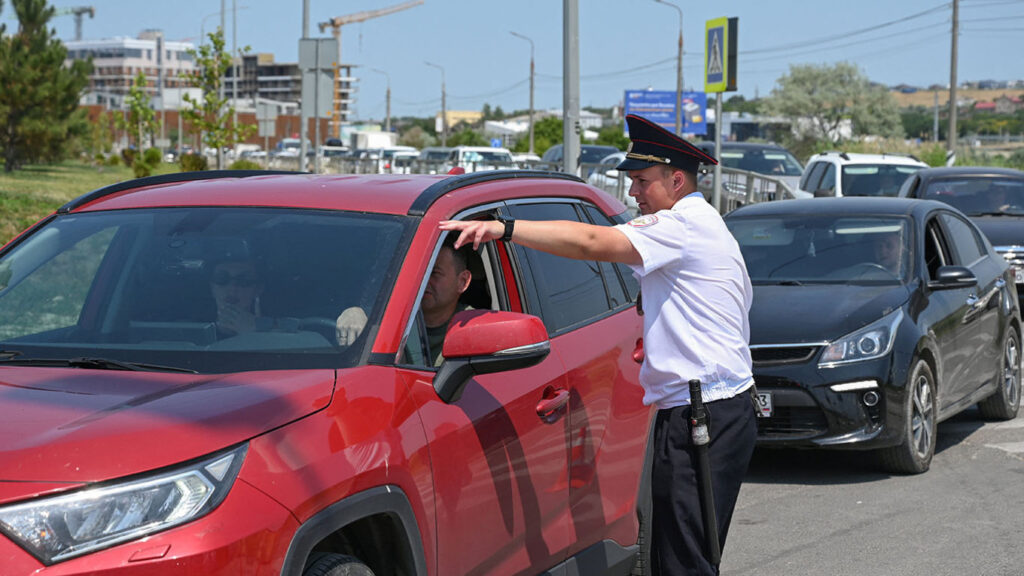
The Chelyabinsk region is now the 13th region to deploy law enforcement officers to monitor the situation at gas stations, which has escalated due to the fuel crisis in Russia. Similar measures are in place in the Astrakhan, Irkutsk, Kirov, Kostroma, Nizhny Novgorod, Oryol, and Tomsk regions, as well as in the Zabaykalsky and Stavropol territories. In these regions, police officers and Rosgvardia personnel are patrolling the lines at gas stations.
In the Rostov Region and the Krasnodar Territory, Cossacks are monitoring the situation at gas stations, while in the Novosibirsk Region, volunteer militiamen are doing so. In the Tomsk Region, veterans of the war with Ukraine have also been deployed to assist the police.
The fuel crisis, which arose due to massive strikes by the Ukrainian Armed Forces on Russian oil refineries, had spread to nearly the entire country by the end of June. Most regions have imposed refueling limits—ranging from 20 to 40 liters of gasoline and up to 80 liters of diesel per vehicle—and have banned sales into jerry cans.
As a result, kilometer-long lines formed at gas stations. Following this, the authorities began imposing other restrictions, including the sale of gasoline via QR codes and refueling on even- and odd-numbered days depending on the first digit of the vehicle’s license plate number.
According to Reuters, in the second week of July, gasoline production fell by 35%—to 75,000–80,000 metric tons per day—while domestic consumption remained at its typical summer level of 115,000–120,000 metric tons. Currently, half of Russia’s refining capacity is idle, according to Energy Intelligence.
Read us on Telegram: important topics – without censorship