The Ukrainian Armed Forces are facing a crisis in evacuating the wounded due to a lack of equipment, despite funding from allies, says Ihor Lutsenko
18 August 14:37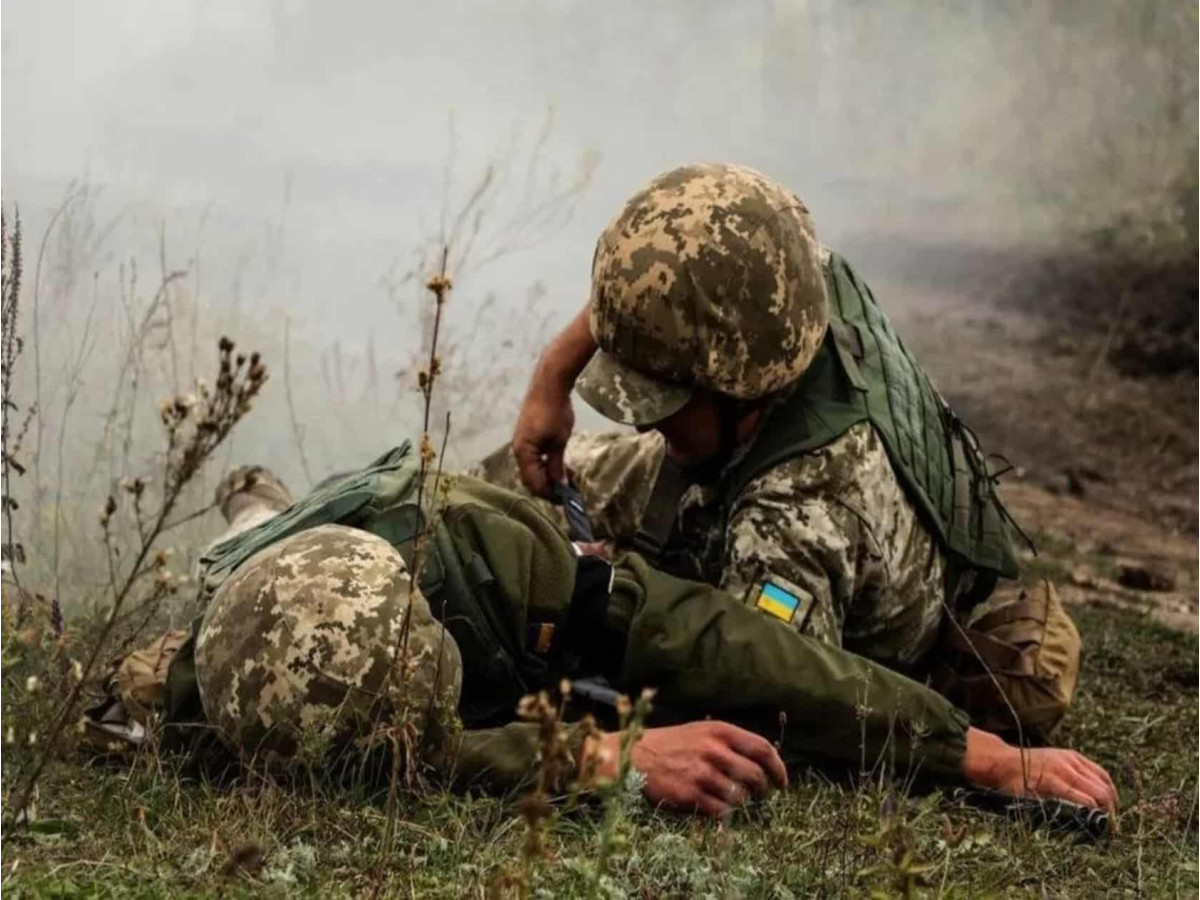
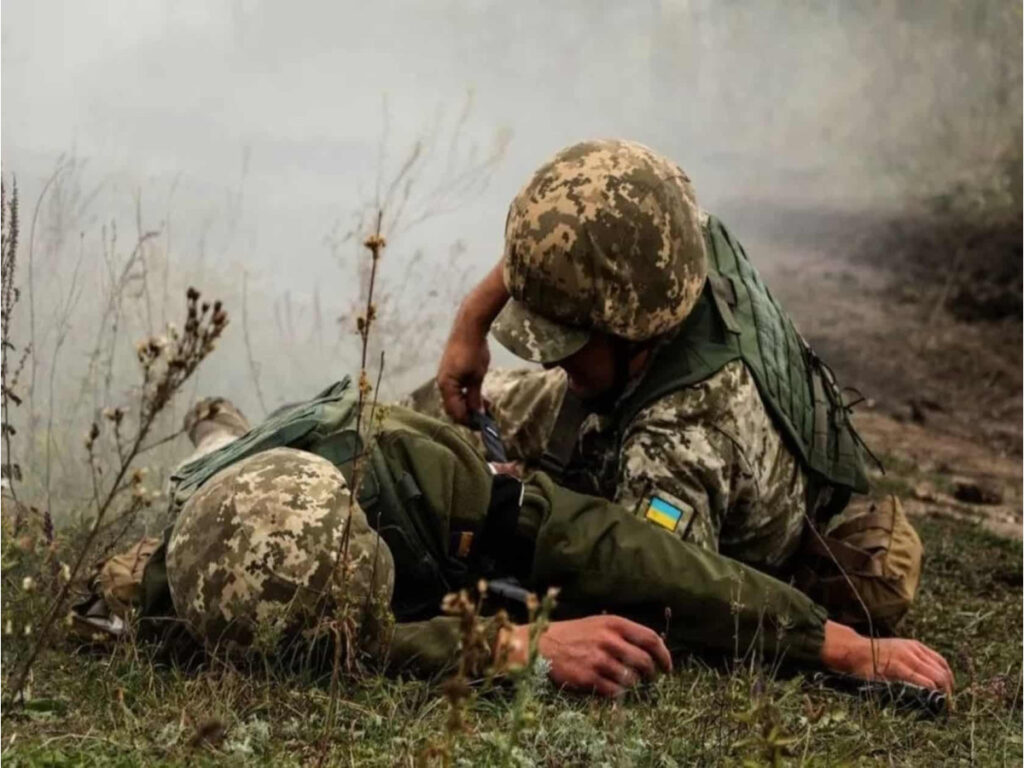
In Ukraine, the problem of evacuating wounded soldiers from frontline areas that are completely exposed to enemy fire and under constant enemy fire has become more acute . This was reported by
Ihor Lutsenko, a Ukrainian Armed Forces servicemember and former member of parliament, as reported by "Komersant Ukrainian".
According to him, the use of ground-based robotic systems (GRS) to transport the wounded is a necessary measure due to a critical shortage of specialized armored vehicles, even though the state has the funds for this thanks to support from partners.
“The overarching tragedy is that we HAVE NO WAY TO EVACUATE THE WOUNDED. Please understand that modern RVCs are generally not suitable for evacuating the wounded! They are a means for evacuating the bodies of the dead, nothing more. This is a solution resorted to out of desperation, due to the lack of proper equipment. Because there is nothing else. We have a complete operational failure in this regard,” notes Ihor Lutsenko.
The former MP emphasizes that the main reason for this situation lies not in a lack of funding, but in the absence of a defined need and government orders.
“It’s because our government lacks the conscience and sense to spend money on proper means of evacuating the wounded. The money is there. If there’s one thing we have money for—and that’s evacuation—it comes from our partners! There’s simply no order from us, no clearly defined need. The state is condemning Ukrainian soldiers in the combat zone to a slow death if they are wounded,” adds the military officer.
Lutsenko also emphasizes that using non-motorized transport (NMT) for the wounded often turns into a life-threatening operation due to its low speed and lack of adequate protection.
“What is an NRK? It’s usually a SLOW vehicle, with an average speed not exceeding 7–10 km/h—at best. And in nearly every single case, the evacuation turns into an operation lasting many hours… In addition to being a slow vehicle, it usually offers no protection against IEDs. In theory, there are armored capsules for the wounded, but this protection is ineffective; it’s more like a coffin for the wounded—and in fact, that’s often exactly what it is.”
He emphasizes that the army needs heavy armored vehicles (such as MRAPs, “Kozak,” and “Varta”) and specialized unmanned systems to carry out such operations to rescue the wounded.
“Investing in such equipment is extremely cost-effective, as it typically amounts to 30–50% of the expected budgetary losses resulting from the deaths of service members… We are now seeing that it is procedurally much more difficult for Ukrainian officials to purchase expensive vehicles in advance than it is to later pay out colossal sums to widows—sums equivalent to the cost of several of the most modern, best-protected pieces of equipment,” concludes Ihor Lutsenko.
Lutsenko noted that when it comes to foreign specialized armored vehicles that provide a high degree of protection against mines, purchasing them remains extremely cost-effective despite their higher price.
- M-ATV – $600,000
- Cougar — $700,000 ·
- RG-31 — $600,000 ·
- VAB — $600,000 ·
- RG-33 — $600,000
According to him, none of these high-end, mine-resistant armored vehicles exceeds the expected losses to Ukraine’s state budget resulting from the deaths of UAV crew members.
“This shouldn’t be the case. Soldiers who are, for lack of a better term, ‘worth’ 15 million shouldn’t be riding in rickety vehicles costing 5,000–7,000 dollars, with only a 500-dollar pump to protect them from improvised explosive devices. There is no logic in this whatsoever—neither moral nor immoral,” Lutsenko emphasized.
As he pointed out, the budget, by definition, has the funds for all of this. But the system is structured in such a way that officials bear incomparably less responsibility for the loss of life (including the related material losses).
It should be noted that the total expenditure on Ukraine’s security and defense sector for 2026, following the adoption of amendments to the state budget, amounts to a record 4.4 trillion hryvnias (an increase of approximately 1.56 trillion hryvnias). One hundred percent of the state budget’s domestic own revenues are allocated to these needs.
Specifically, 2.3 trillion UAH is earmarked for the procurement of weapons and military equipment, as well as the development of the defense-industrial complex.
Watch us on YouTube: important topics – without censorship