Using QR codes at “Max”: Sevastopol has launched gasoline sales with a limit of 20 liters per week
7 June 15:07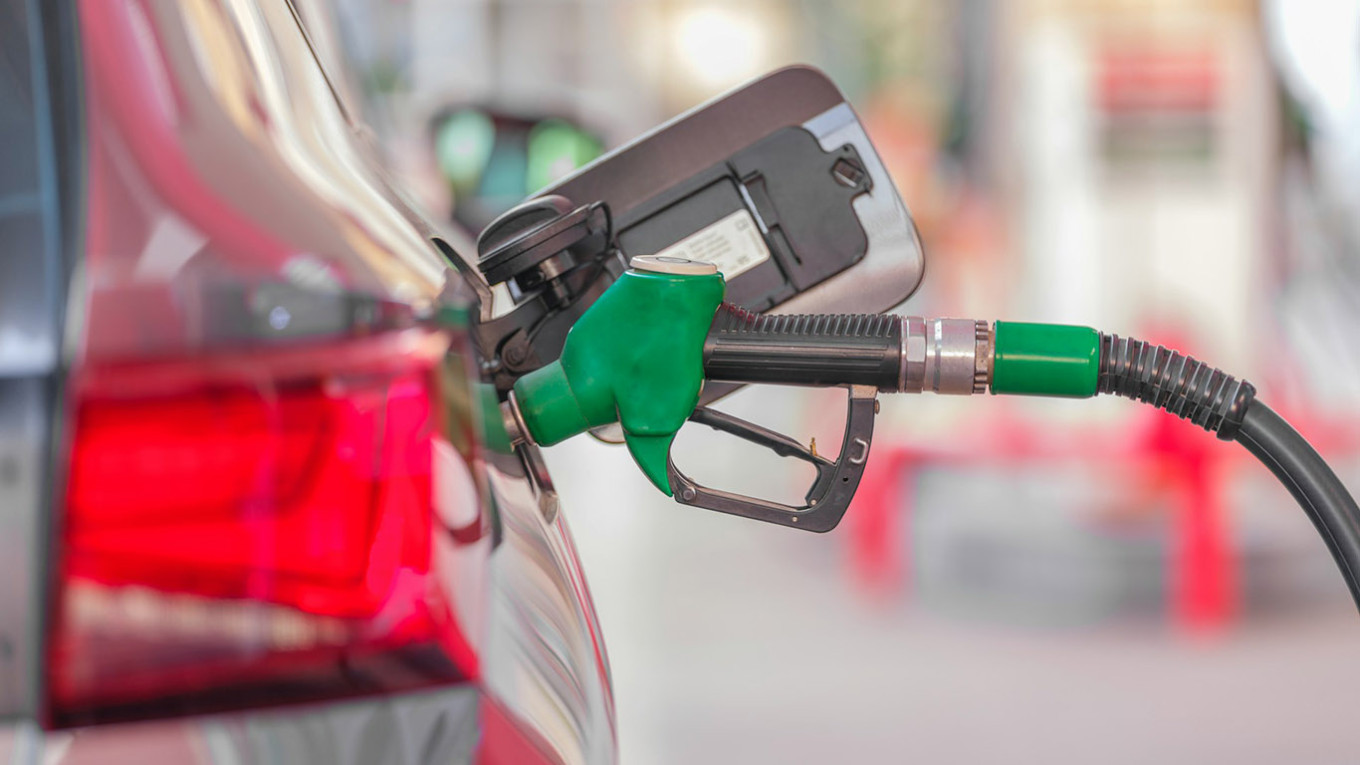
Mikhail Razvozhayev, the Moscow-appointed “governor” of Sevastopol , announced on the evening of June 6 the introduction of a new system for selling fuel in the city via personal QR codes in the “Max” messaging app. This was reported by "Komersant Ukrainian", citing Russian propaganda media.
According to his statement, each resident can receive a code entitling them to a single refueling of up to 20 liters of fuel for a specific vehicle, with the next code for the same vehicle available only after seven calendar days. The QR code is valid only at the TES gas station network.
“The QR code must be used between 9:00 a.m. and 9:00 p.m. on that day. At other times, TES gas stations will not be open,” the “governor” emphasized.
According to Razvozhayev, holders of previously purchased vouchers will not be able to use them starting June 7: they will be reserved exclusively for services and organizations that ensure the city’s vital functions.
However, as early as the night of June 7, at 1:47 a.m., Razvozhayev announced that the QR codes for that day had run out.
“Dear residents of Sevastopol! The QR codes for June 7 have run out. A new batch will be available tomorrow after 10:00 p.m.,” he wrote, clarifying that the number of codes corresponds to the daily volume of fuel available for retail sale.
He also added that the received QR code can be used until it is scanned at a gas station, including on June 8 and 9, and refueling into canisters is permitted only upon presentation of the original vehicle registration certificate.
On Friday, June 5, Moscow-appointed “head” of Crimea Sergey Aksyonov announced the launch of a hotline for tourists unable to leave the peninsula, acknowledging that “it is impossible to fully meet the demand for fuel.”
A day earlier, on June 4, he announced a complete halt to the sale of gasoline for cash and warned that “there are no vouchers available for purchase and there will not be any in the near future.” At the same time, Aksyonov spoke of prioritizing fuel supplies for public utilities and law enforcement agencies, but soon reported that 400 passenger vehicles had been unable to operate due to the shortage.
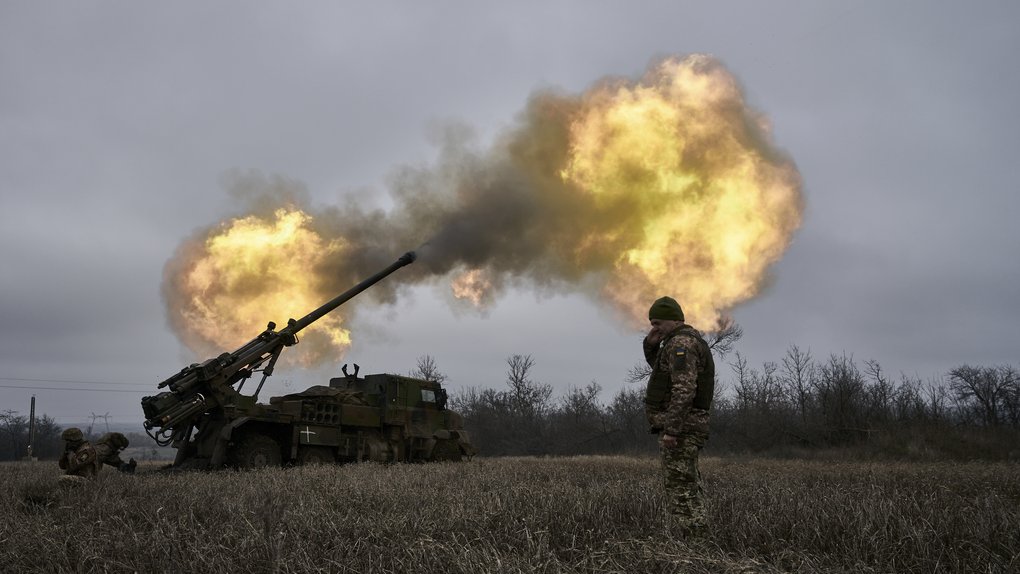
The crisis was caused by strikes by the Ukrainian Armed Forces on oil refining infrastructure and logistics. Ukrainian drones have effectively taken control of the federal highway R-280 “Novorossiya”—the land supply route from Rostov-on-Don to Crimea. According to Bloomberg, Russian refineries were attacked 38 times between January and May 2026, with 16 plants hit in May—the highest number since the war began. As a result, refinery utilization has fallen by 14% since the start of the year and remains about 20% below pre-war levels, according to OilX data.
According to Reuters, by mid-May, plants with a combined capacity of 238,000 tons per day—about a quarter of all Russian refining capacity—had shut down, with facilities in Kirishi, Moscow, Nizhny Novgorod, Ryazan, and Yaroslavl—which accounted for over 30% of gasoline production—having virtually ceased operations.
The crisis has also affected other sectors. In particular, it has impacted the tourism industry: hundreds of vacationers who arrived on the peninsula by car found themselves effectively stranded due to a lack of fuel. Eskender Bariev, chairman of the Crimean Tatar Resource Center, noted rising prices for food and services. Against this backdrop, empty shelves began to appear in stores across Crimea and Sevastopol, and store owners started imposing restrictions on food sales.