The Threat of Iranian Ballistic Missiles and Jet-Powered Drones: What Kind of Strike Is Russia Preparing Against Ukraine?
31 July 13:22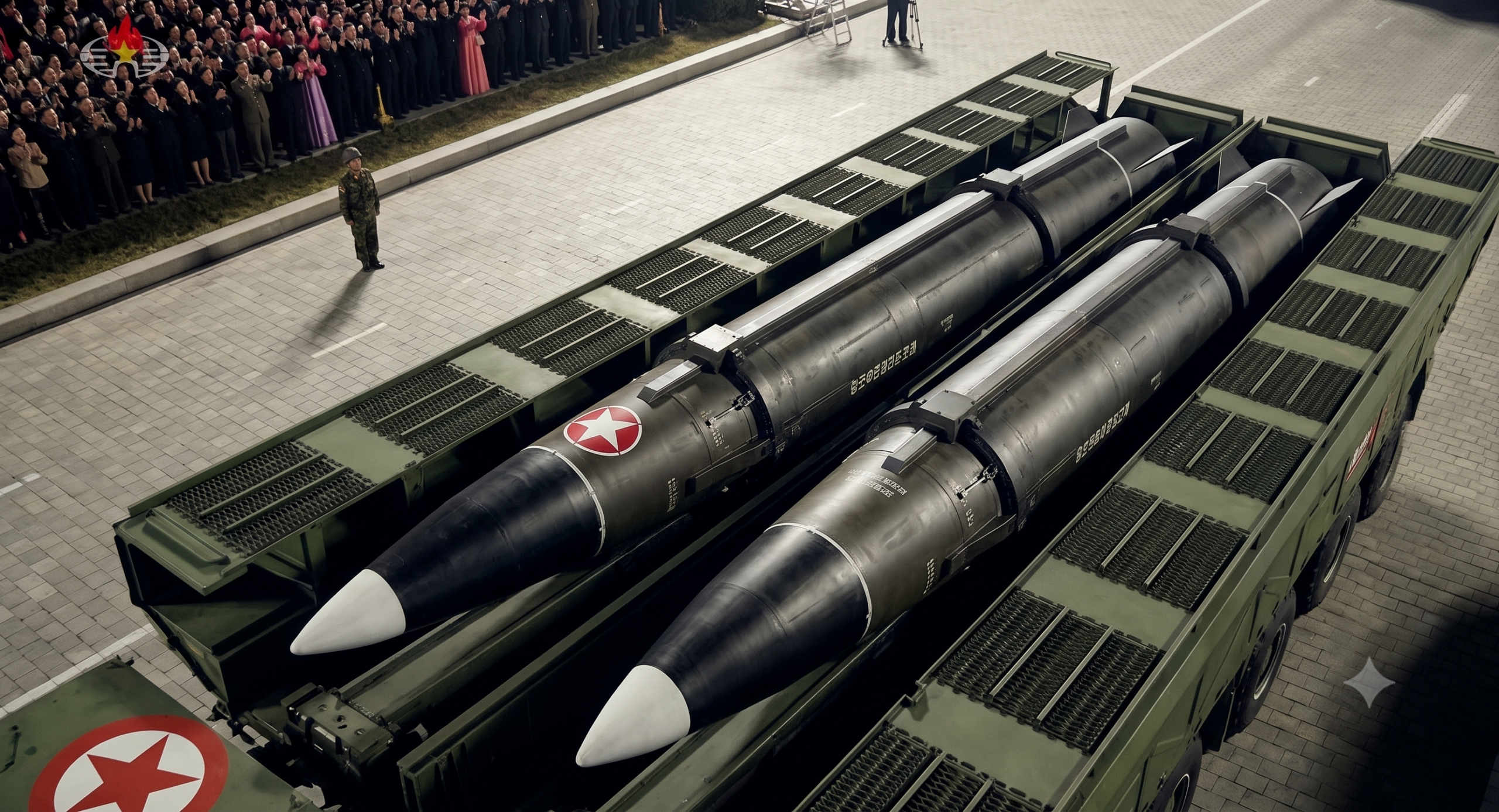 Forecast
The enemy’s airstrikes on Ukrainian infrastructure are becoming increasingly sophisticated and diverse. Russia is seeking any means to compensate for the depletion of its own strategic reserves—from importing North Korean and Iranian weapons to deploying jet-powered UAVs. Experts Kostyantyn Kryvolap and Roman Svitan analyzed the key challenges facing Ukrainian airspace, the state of Russia’s defense resources, and the effectiveness of new countermeasures. Which Iranian missiles can reach Dnipro and Zaporizhzhia, and why even the Patriot system has difficulty intercepting them—read more in this article "Komersant Ukrainian".
The situation with the enemy’s ballistic weapons remains one of the most critical. Due to a shortage of its own missiles, Russia is trying to enlist the help of its allies; however, the effectiveness and logistics of these weapons have their own peculiarities.
North Korean KN-23s: From “Blind” Scrap to Tactics of Terror
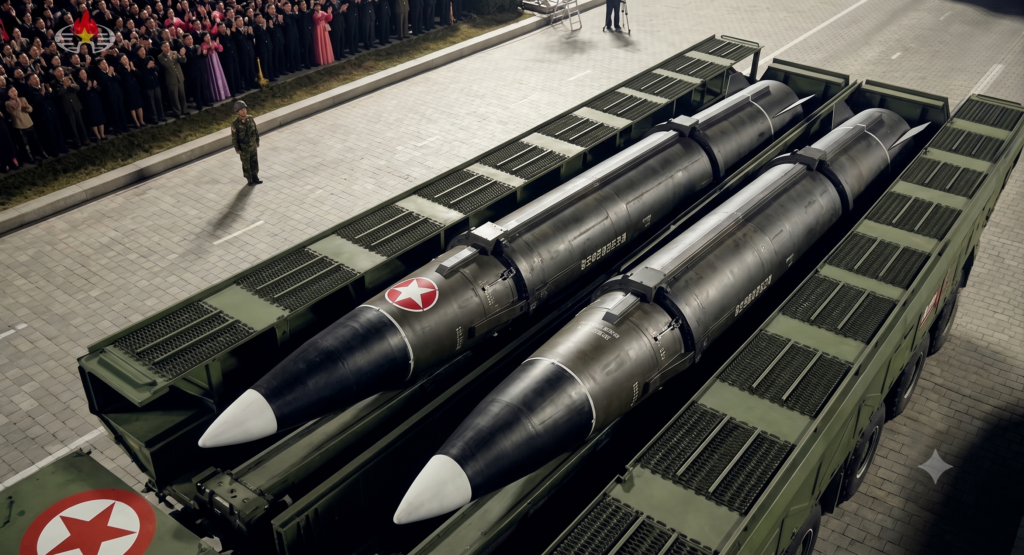
Aviation expert Konstantin Kryvolap notes that the North Korean KN-23 ballistic missile is analogous to Russia’s “Iskander,” but has a greater range—up to 800 kilometers.
According to him, in 2024, the first prototypes had a circular error probability of up to 300 meters. However, the Russians intervened in the production process by integrating their own guidance systems:
“Currently, its accuracy isn’t on par with the ‘Iskander-M,’ but it does ensure a deviation of within 50 meters. However, for the Russians, accuracy is no longer a decisive factor. The main objective is for the missile to strike a Ukrainian populated area, causing destruction and casualties,” says Kryvolap.
At the same time, the expert emphasizes that rumors of massive KN-23 deliveries surface precisely when Russia faces a shortage of precision-guided munitions and is forced to combine whatever it has available in its attacks — from S-400s to the anti-ship “Onyx-M” and “Zircon” missiles.
Military expert Roman Svitan, for his part, draws attention to the threat coming directly from Tehran, which possesses a wide range of ballistic missiles capable of covering virtually the entire territory of Ukraine.
According to Svitan’s assessment, basic Iranian medium-range missiles have a range of up to 3,000 km, while high-precision variants reach 1,400–1,500 km (for example, along a trajectory from Tabriz to Dnipro or Zaporizhzhia).
The main danger posed by Iranian ballistic missiles lies in the specifics of their flight path— a pseudo-ballistic trajectory.
“Some models perform maneuvers (‘wobble’) during the terminal phase of flight. Even the most advanced air defense and missile defense systems (such as the Patriot or the Israeli Arrow-3) face serious difficulties in calculating the point of impact with such a target. Even if long-range missiles (such as the “Khorramshahr-4”) are intercepted, their impact in residential areas will result in catastrophic destruction,” says Roman Svitan.
How many “Iskanders” does the enemy have left, and what is Ukraine’s response?
An analysis of production volumes in Russia indicates that the enemy is forced to systematically deplete its untouched reserves. Konstantin Kryvolap cites intelligence data: the Russians produce a maximum of 50–60 “Iskander-M” missiles per month, but during massive shelling campaigns, they expend significantly more.
“While Russia previously had about 250 missiles of this type in stock, that number later dropped to 150, and is now even lower. The enemy is actively depleting its own resources,” says Kryvolap.
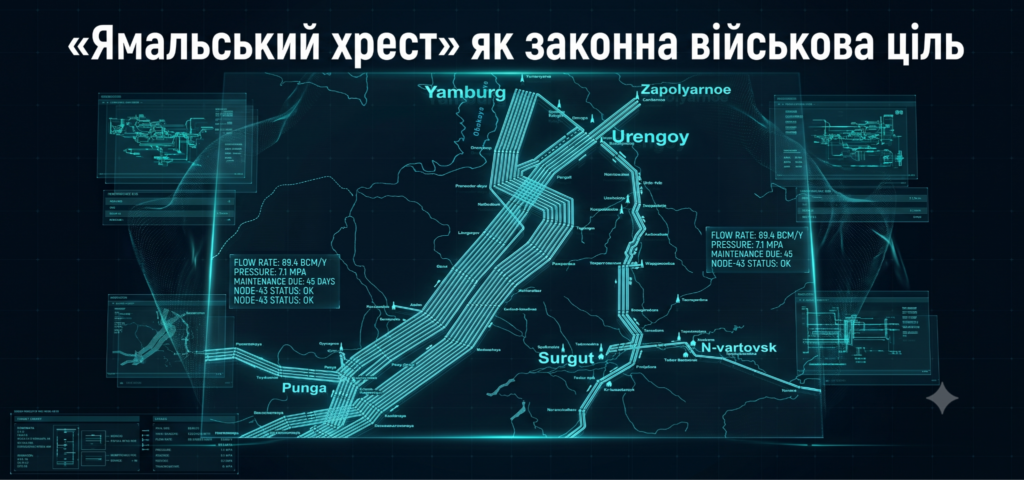
As a mirror response to the missile terror, Kryvolap proposes the systematic destruction of Russia’s gas infrastructure, on which most of Russia’s thermal power generation depends.
The key target is the so-called “Yamal Cross” —a hub where 16–18 high-pressure gas pipelines converge. Unlike Ukraine, with its underground storage facilities, Russia lacks the capacity to rapidly store gas in such volumes. Halting gas flow at this hub would instantly cripple Russia’s energy sector.
The Air Defense Challenge: 300 PAC-3 Missiles and the “Freya” Project
The weakest link in the defense of civilian facilities remains the interception of ballistic targets, for which Ukraine needs a steady supply of interceptor missiles.
Kostyantyn Kryvolap notes that to get through the winter, Ukraine needs at least 300 PAC-3 missiles (50 units per month). Partners’ stockpiles are also limited.
“There are about 200 PAC-3 and PAC-3 MSE missiles in Europe (the latter have an 85–90% probability of interception). The main reserve (up to 1,000 units) is controlled by the United States. In addition, Ukraine is counting on licensed production of PAC-3 MSE missiles in the future,” adds Kryvolap.
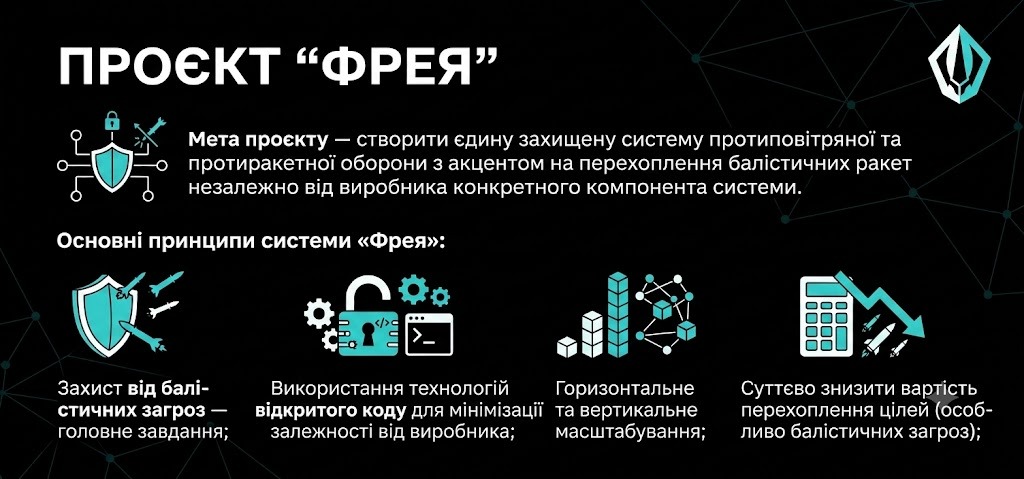
At the same time, the “Freya” project (in collaboration with Kongsberg) is under development, which aims to create an open-source missile defense system. However, the first tests will not take place until at least December 2026, as coordination between governments and the private sector is still ongoing.
Enemy Jet-Powered Drones: Why Conventional FPVs Don’t Work and What Countermeasures Are Needed
In addition to the missile threat, the Russians are actively deploying high-speed jet-powered UAVs (analogs of the Shahed-238 and “Banderol” drones) equipped with Chinese turbines. Roman Svitan emphasizes that attempts to shoot down the new UAVs with propeller-driven drones or to destroy their relay stations are not a systematic solution.
A jet-powered drone accelerates to speeds exceeding 500 km/h. No propeller-driven FPV interceptor is physically capable of catching up to it.
“Propeller-driven interceptors are needed directly on the front lines against tactical UAVs (such as the ‘Molniya’), but they are ineffective deep in the rear against jet-powered targets. Turbojet-powered drones must be shot down using short- and medium-range air defense systems (such as the Raven system), fighter aircraft, and by ramping up production of domestic anti-aircraft missiles,” says Svitan.
For his part, Kostyantyn Kryvolap notes the emergence of the Ukrainian Spice anti-aircraft drone system, which can reach speeds of up to 600 km/h. Although jet-powered interceptors are five times more expensive than conventional electric ones, their deployment is critical.
Kryvolap adds that the key to success lies not only in the drone’s speed but also in its detection system— radar and optics—where early detection allows interceptors to be launched much sooner. Artificial intelligence also plays a role : the integration of software (notably from Palantir) enables the modeling of optimal target interception scenarios.
The priority for the Ukrainian defense sector in the coming months remains the deployment of a dense network of detection sensors, the supply of missiles for missile defense systems, and the mass production of new high-speed interceptors.