First “yes” from the Senate: What the New U.S. “Devilish Sanctions” Actually Entail
31 July 12:11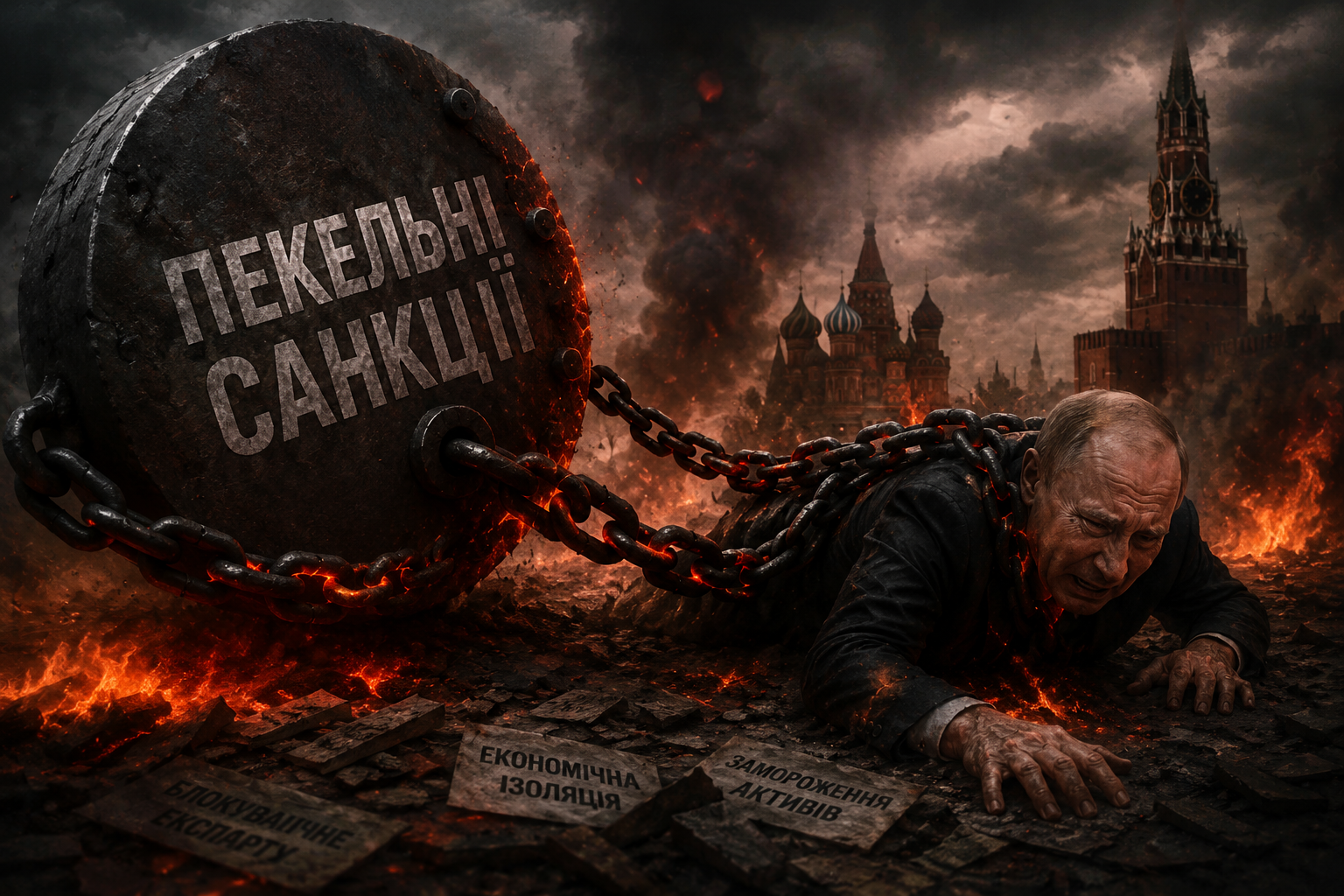 ANALYSIS
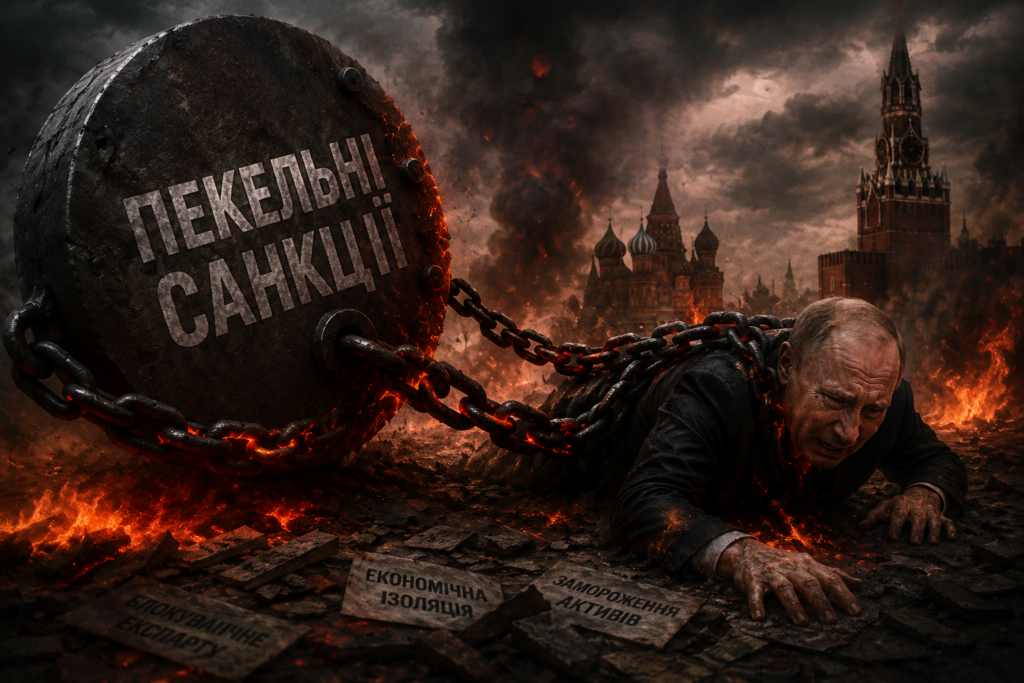
The U.S. Senate has taken the first decisive step toward implementing the economic pressure package long awaited by Ukraine and has finally passed, on first reading, a bill on the so-called “hellish sanctions” against Russia and Iran.
The Senate took the first step toward passing the bill
It is known that the bill was supported by an absolute majority of senators. The new restrictions threaten the Kremlin with unprecedented isolation: from 100% tariffs on energy resources to a severe blow to the “shadow fleet” and secondary sanctions against China and India.
Eighty-six senators voted in favor of the bill, while 12 voted against it. This allows the bill to proceed to debate and preparation for a final vote.
After Senate approval, the bill must be considered by the House of Representatives, after which it will be sent to the U.S. president for his signature.
That is why today’s vote does not mean the automatic imposition of new sanctions, as it will take several more months for them to be considered.
What the new sanctions package entails
The main focus is on the energy sector, which remains a key source of revenue for the Russian budget.
The bill also provides for mandatory sanctions against a number of Russia’s largest state-owned entities, including the Central Bank of the Russian Federation, Sberbank, Gazprom, and companies involved in strategic Arctic liquefied natural gas (LNG) projects. These include Yamal LNG and Arctic LNG. In addition to legal entities, the restrictions may extend to company executives, owners, and their affiliated entities.
“If the bill is passed in its current form, it will be one of the most significant blows to the Russian energy sector, which is a major source of funding for the state budget,” Zhelikhovsky said in an exclusive comment to
[Komersant] .
A separate section of the document addresses financial restrictions. The bill would ban new U.S. investments in the Russian economy, as well as transactions involving Russian government debt. The goal is to make it more difficult for Russian state entities to secure financing and to limit opportunities for new investment projects.
However, one of the bill’s key innovations is the expansion of sanctions against the so-called “shadow fleet,” which Russia uses to export oil in circumvention of international restrictions. The bill allows sanctions to be imposed not only on Russian vessels but also on foreign companies, shipowners, insurers, operators, and intermediaries involved in the transportation of Russian oil or facilitating the circumvention of existing sanctions.
According to Zhelikhovsky, this approach effectively aligns U.S. sanctions policy with the European Union’s latest decisions.
A separate section of the bill addresses countries that remain the largest importers of Russian energy resources. Although the authors of the bill abandoned the initial idea of introducing a universal tariff of 500%, the current version provides for the possibility of imposing tariffs of up to 100% on imports from countries that are among the largest buyers of Russian oil and gas or that facilitate the circumvention of sanctions.
This primarily refers to China and India. The document also provides for sanctions against entities in the Russian military-industrial complex, high-ranking officials, oligarchs, and foreign companies that supply Russia with critical technologies or components for weapons production.
Why This Sanctions Package Is Considered One of the Toughest
Unlike most previous sanctions packages, the new bill combines several mechanisms of economic pressure at once. These include not only restrictions on Russian state-owned companies, banks, and the energy sector, but also secondary sanctions against foreign states and companies that help Moscow circumvent existing restrictions.
Potential restrictions could affect not only Russian legal entities but also foreign carriers, insurers, financial institutions, and companies involved in oil transportation, technology supply, or financing of the Russian economy.
Stanislav Zhelikhovsky says that the very fact that the bill is being advanced may be part of a much broader strategy by Washington.
“I wouldn’t rule out that the very process of considering this bill is a tool for political pressure. It is a signal to Moscow and to countries that maintain economic ties with Russia that the U.S. is prepared to significantly tighten sanctions if the Kremlin does not demonstrate a willingness to engage in the negotiation process,” the expert believes.
According to Zhelikhovsky, even before the bill is finally adopted, its consideration is already influencing how international businesses assess risks. This primarily applies to companies that work with the Russian energy sector or are involved in the logistics chains for Russian oil exports.
Why Even the U.S. President Cannot Unilaterally Lift Sanctions
One of the key features of the bill is its legal status. If the bill passes all stages of consideration in Congress and is signed by the U.S. president, the sanctions will take effect as federal law. This distinguishes them significantly from a large portion of the current U.S. restrictions on Russia, which were previously imposed by presidential executive orders.
In this case, the president will not be able to lift or significantly weaken the sanctions regime by his own decision. This would require a new resolution by Congress or the completion of a procedure prescribed by law.
“Most of the current sanctions against Russia were imposed by presidential executive orders, so the head of state could theoretically change or revoke them. However, if this bill becomes federal law, its provisions will be binding on both the current and future U.S. presidents,” the expert notes.
Although the bill allows the president to temporarily suspend certain sanctions, such a decision cannot be made unilaterally.
To do so, the administration must officially notify Congress, justify why the postponement is in the U.S. national interest, and comply with the parliamentary oversight procedure prescribed by law.
Furthermore, this mechanism makes it more difficult to revise U.S. sanctions policy following a change in the White House administration.
“This is not about the president’s authority to repeal a law, but merely a narrow mechanism for a temporary exemption under congressional oversight. That is precisely why the sanctions regime becomes more resilient to political changes in the U.S.,” he emphasizes.
In other words, if the bill is ultimately adopted, sanctions policy toward Russia will, to a large extent, shift from the realm of presidential decisions to that of legislative regulation.