“They’re detaining people without filing paperwork and confiscating cell phones”: Lawyers are documenting systematic human rights violations during mobilization
28 January 14:25 YOUTUBE
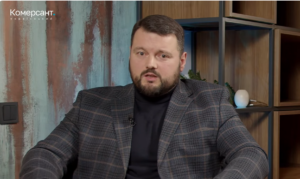
Systematic human rights violations are being documented in Ukraine during mobilization efforts. These include beatings of civilians, unlawful detention, the use of physical force and pepper spray, the confiscation of personal belongings, and the denial of access to lawyers at territorial recruitment centers. Lawyer Oleksandr Protas made these claims in an interview with the YouTube channel "Komersant Ukrainian".
According to him, he regularly receives reports from citizens describing acts of violence by representatives of the territorial recruitment centers.
“I regularly receive reports that a person was grabbed, beaten, or sprayed with pepper spray,” the lawyer noted.
According to Protas, these are not isolated incidents, but a recurring practice of a systemic nature. He claims that people are detained without any procedural documents being drawn up, their cell phones are immediately confiscated—which violates the right to freedom of communication—and later, in responses to official inquiries, it is stated that the person allegedly arrived at the TCC voluntarily.
“You end up at any TCC in Kyiv—there are no exceptions. They immediately tell you: hand over your phone. This is a violation of the human right to freedom of communication,” Protas emphasized.
He adds that in their responses to lawyers’ inquiries, government agencies systematically use false statements.
“The answer is always the same: he came to us on his own. Lying has become the norm for our government agencies,” the lawyer stated.
Separately, Protas described a case of a man being beaten at the Svyatoshynsky TCC, which occurred in October 2025. According to him, the man was forcibly detained, taken to the TCC without any official records being filed, and without the opportunity to contact a lawyer.
The victim suffered moderate bodily injuries, which were documented by medical personnel. The lawyer himself attempted to enter the TCC premises to provide legal assistance, but he was denied access despite having a retainer agreement with the client.
“In all this time, I have been allowed in (to the TCC building—ed.) only twice. In all other cases, they won’t let me in,” he noted.
Protas emphasizes that the right to defense, guaranteed by Article 59 of the Constitution of Ukraine, applies even under martial law, and the TCC premises are not classified or secret facilities.
“Name at least one legal basis on which a lawyer is not allowed to enter the TCC premises. There is no such basis,” the lawyer emphasized.
According to him, in the case in question, the fact of violence was confirmed not only by doctors but also by a representative of the Military Law Enforcement Service.
“Four employees of the Svyatoshyn TCC tied the man up on the second floor and beat him with their feet,” Protas stated.
In addition, according to the lawyer, the victim’s expensive cell phone was stolen and never returned to him, and the ambulance was not allowed to leave the TCC premises for over two hours after the injuries were documented.
Read us on Telegram: important topics – without censorship
Despite this, according to Protas, the TCC’s responses deny the beating, and the man himself is again portrayed as having “arrived voluntarily.”
The lawyer also pointed out that Ukraine ratified the International Convention for the Protection of All Persons from Enforced Disappearance back in 2015, which directly pertains to the actions of state officials.
“When such actions are systematic and widespread, they are no longer isolated crimes, but crimes against humanity,” Protas emphasized.
He emphasized that such crimes have no statute of limitations, and liability for them can arise at both the national and international levels.
“Sooner or later, the time will come. Everyone who gives such orders or carries them out will be found guilty,” the lawyer concluded.
Watch us on YouTube: important topics – without censorship