Ukraine Faces a Vegetable Overproduction Crisis: How Will This Affect Prices?
21 August 21:14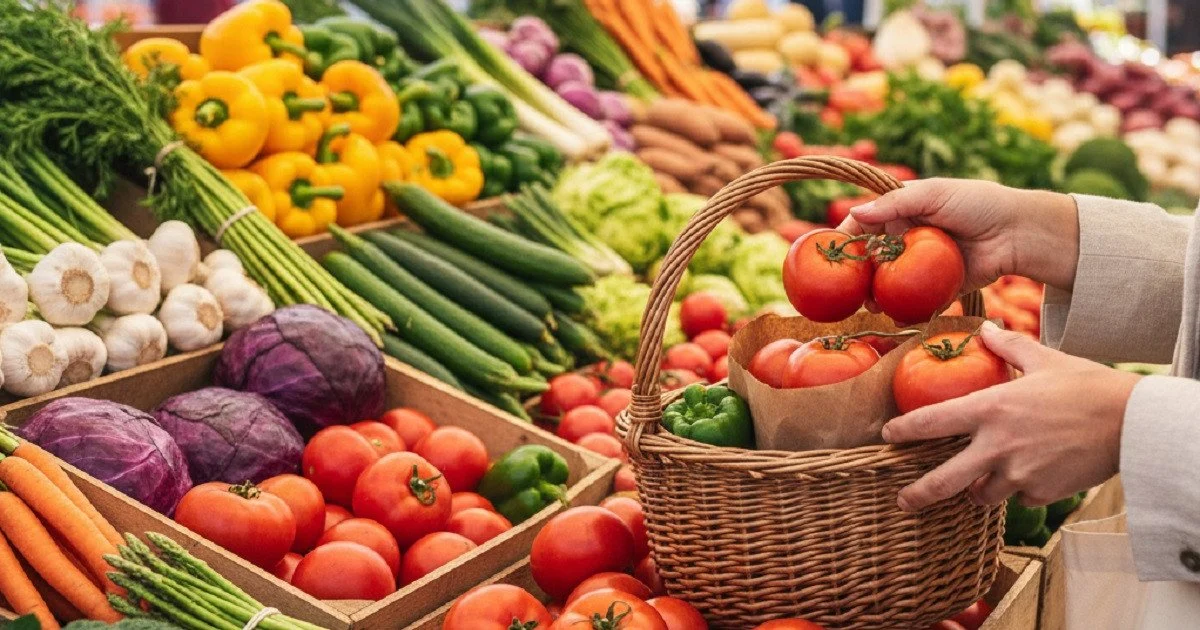
In terms of the area devoted to growing vegetables for borscht, Ukraine has returned to 2021 levels. At the same time, the country’s population has shrunk significantly during this period, and new producers are entering the market. Some farmers who previously grew grains are considering switching to vegetables due to sales problems. This creates a risk of oversupply in the market, writes "Komersant Ukrainian", citing EastFruit.
This is discussed in a column by Ksenia Guseva, a fruit and vegetable market expert at the “APK-Inform” news agency.
The expert notes that pressure on prices is already evident.
“The main vegetables used in borscht are now almost half the price they were a year ago. Cabbage costs 14–18 UAH/kg, carrots—18–25 UAH/kg, beets—6–10 UAH/kg, and onions—13–20 UAH/kg. Potatoes are selling for 6–12 UAH/kg.
The situation on the tomato market is also challenging. Greenhouse tomatoes cost 30–50 UAH/kg, while field-grown tomatoes start at 10 UAH/kg. Due to sunburn, part of the harvest in southern Ukraine can only be sold for processing at about 10 UAH/kg. High-quality field-grown tomatoes and produce from farm greenhouses are selling for 18–22 UAH/kg.
At the same time, cucumbers have begun to rise in price. Greenhouse cucumbers cost 20–45 UAH/kg, while open-field cucumbers cost 18–22 UAH/kg. Greenhouse complexes have completed their first harvest cycle, while the new harvest is not expected until September.”
Ksenia Guseva believes that future price trends will largely depend on the weather. A warm and dry fall will ensure a massive harvest of field-grown tomatoes and cucumbers and may put further downward pressure on prices. Cold and rainy weather, on the other hand, will reduce supply and could push prices higher.
In late fall, Ukraine traditionally increases imports of cucumbers and tomatoes, primarily from Turkey. However, this year Turkish produce may also become more expensive due to logistical risks and harvest conditions.
According to the expert, storage remains the main challenge for vegetables used in borscht. Farmers are trying to grow late-season varieties so they can sell their produce after the mass harvest is over. However, vegetable storage facilities require significant investment and depend on a stable power supply, and in wartime conditions, there remains a risk of damage.
Therefore, the final harvest volumes and quality may still change. At the same time, the season is already revealing the main challenge for producers: it is becoming easier to grow vegetables than to sell them profitably. Consequently, it is not only production volumes that matter, but also the right timing, distribution channels, and selling price.
Watch us on YouTube: important topics – without censorship